
Light Requirements
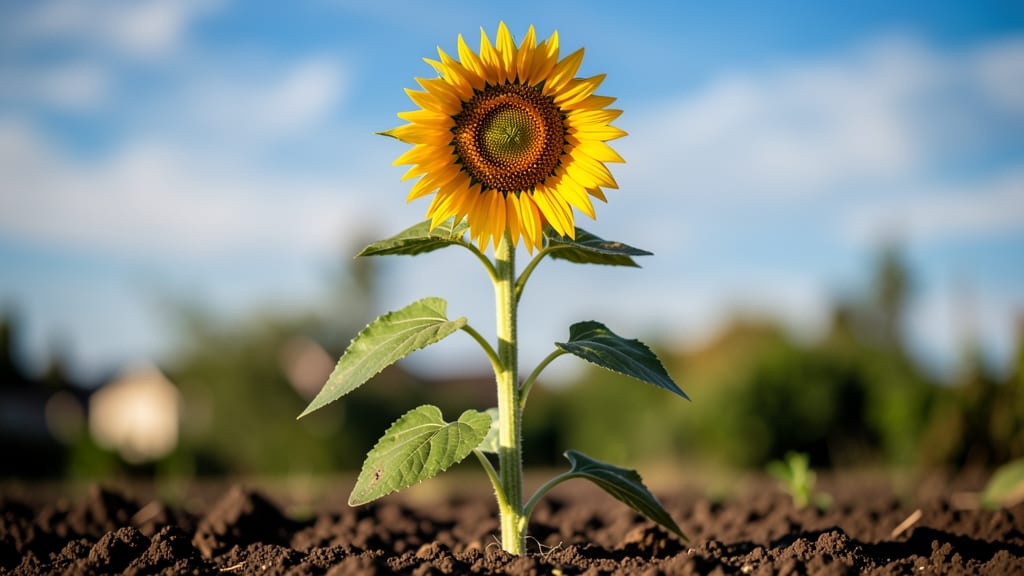
Sunflowers thrive best when you meet their sunflower light requirements—they need 6 to 8 hours of direct sunlight daily to grow tall and vibrant 🌻 — without it, they’ll stretch thin and struggle to bloom.
Picture this: you’ve just planted your seeds in April with big dreams of towering sunflowers, only to watch them lean toward the light like sleepy toddlers. That’s the power of sunlight—or the lack of it—playing out in your garden.
Most gardeners assume full sun means "all day," but the truth is more nuanced. Sunflowers thrive with bright, consistent light, and even a few hours of shade can stunt their growth or weaken their stems.
The key is positioning them where they get the most direct rays, whether that’s a south-facing patch or a balcony spot bathed in afternoon sunshine.
In this guide, I’ll break down exactly how much light sunflowers need, how to spot when they’re not getting enough, and creative ways to maximize their exposure—even in small spaces or less-than-ideal locations.
 Best Window Placement
How many hours of sunlight do sunflowers need daily?
Sunflowers thrive under bright sunlight, but their exact needs vary by variety. Most sunflowers require 6-8 hours of direct sunlight daily to reach their full potential. However, some dwarf varieties tolerate partial shade, while giant varieties demand full sun exposure for robust growth.
Understanding these differences ensures your sunflowers grow tall, strong, and vibrant.
Sunlight is the energy source that drives photosynthesis, helping sunflowers convert light into nutrients for growth. Without enough light, you’ll notice stunted stems, pale leaves, and fewer blooms.
Even 6 hours of morning sun combined with 2 hours of afternoon sun can work, but consistent full sun yields the best results.
| Variety | Sunlight Needs | Mature Height | Partial Shade Tolerance |
|---|---|---|---|
| Giant (e.g., 'Mammoth Russian') | 8+ hours full sun | 12-16 ft | Poor; stems weaken |
| Standard (e.g., 'Autumn Beauty') | 6-8 hours full sun | 6-10 ft | Moderate; blooms smaller |
| Dwarf (e.g., 'Teddy Bear') | 4-6 hours sun (tolerates partial shade) | 1-3 ft | Good; ideal for containers |
| Single-Stem (e.g., 'Russian Giant') | 8+ hours full sun | 10-14 ft | Poor; leggy growth |
| Multi-Stem (e.g., 'ProCut') | 6-8 hours full sun | 3-5 ft | Moderate; fewer blooms |
To measure sunlight accurately, use a sunlight tracker or observe your garden’s light patterns. Place a white board in potential spots for a week—mark the hours it’s in direct sun.
South-facing areas get the most light, while north-facing spots receive the least. Even partial shade from trees can reduce sunlight by 50%, stunting growth.
If your sunflowers receive less than 6 hours of sun, consider relocating them to a sunnier spot or using reflective surfaces like white walls or mirrors to bounce extra light onto the plants.
For container growers, place pots near south-facing windows or use grow lights for 12-14 hours daily during cloudy periods.
Giant sunflowers like 'Mammoth Russian' need uninterrupted sunlight to support their massive stems and blooms. Even 2 hours of shade per day can cause them to lean or produce smaller flowers.
In contrast, dwarf varieties like 'Teddy Bear' adapt better to partial shade, making them ideal for patios or urban gardens with limited sun.
Seasonal changes also affect sunlight exposure. In summer, days are longer, providing ample light, but in spring or fall, you may need to rotate containers or use garden lights to supplement.
Monitor your sunflowers’ leaves—dark green and upright indicates healthy light exposure, while pale or yellowing leaves signal insufficient sunlight.
For optimal growth, aim for morning sun exposure paired with afternoon shade in hot climates. This prevents wilting while still meeting the 6-8 hour minimum. Use a sun calculator app to track sunlight hours in your area, adjusting planting times accordingly.
Remember, sunflowers are phototropic, meaning they grow toward light. If one side receives more sun, the stem will lean. To prevent this, rotate pots weekly or plant in open, level ground where sunlight is evenly distributed.
By tailoring sunlight to your sunflower variety, you’ll enjoy taller stems, bigger blooms, and healthier plants. Whether you’re growing giants or dwarfs, prioritize light—it’s the foundation of their cheerful, towering beauty. 🌻
Signs your sunflowers aren’t getting enough light (and how to fix it)
Sunflowers thrive under bright sunlight, but when they don’t get enough, their growth suffers dramatically. Pale, leggy stems and small, weak blooms are classic red flags. Even if your sunflowers are still standing, their leaves may stretch unnaturally toward the light—a sign they’re desperate for more sunlight exposure.
Without intervention, your towering beauties might never reach their full 6-16 foot potential.
Another telltale sign is slow or stunted growth. Healthy sunflowers grow 2-4 inches per day in ideal conditions, but light-deprived plants may barely inch upward. You might also notice fewer flowers or buds that fail to open completely.
These symptoms aren’t just cosmetic—they signal your plants are struggling to photosynthesize efficiently, which directly impacts their nutrient production and overall vitality.
⚠️ Sunflower Light Crisis: Critical Warning Signs
Minimum requirement: 6-8 hours of direct sunlight daily
Danger zone: Less than 4 hours = severe growth failure
Emergency fix: Move to south-facing spot or add grow lights
Pro tip: Sunflowers can tolerate 4-6 hours but will be smaller and weaker
If your sunflowers are already planted in a shady spot, don’t panic—there are ways to boost their light exposure. First, try relocating them to a sunnier area, like a south-facing garden bed or balcony.
Even a few extra hours of morning sun can make a dramatic difference. For container growers, place pots on reflective surfaces like white gravel or light-colored walls to bounce extra light onto the plants.
For indoor growers or those in urban settings with limited sunlight, supplemental grow lights are a game-changer. LED full-spectrum lights placed 12-18 inches above the plants and used for 12-14 hours daily can mimic natural sunlight.
Just ensure the lights stay on a timer to maintain consistency—sunflowers hate unpredictable light cycles.
Seasonal adjustments are also key. In early spring or late summer, when sunlight hours naturally dip, consider thinning out nearby plants to reduce competition for light. Remove any overcrowded foliage or tall weeds casting shadows.
If your sunflowers are still struggling, try pruning lower leaves to improve airflow and light penetration to the upper stems where the blooms form.
Remember, sunflowers are sun-worshippers at heart. When they get the right light, they’ll reward you with bold, vibrant blooms and tall, sturdy stems.
Keep an eye on their growth patterns and adjust their environment as needed—your efforts will be worth it when those cheerful faces turn toward the sky! 🌻