
Light Requirements
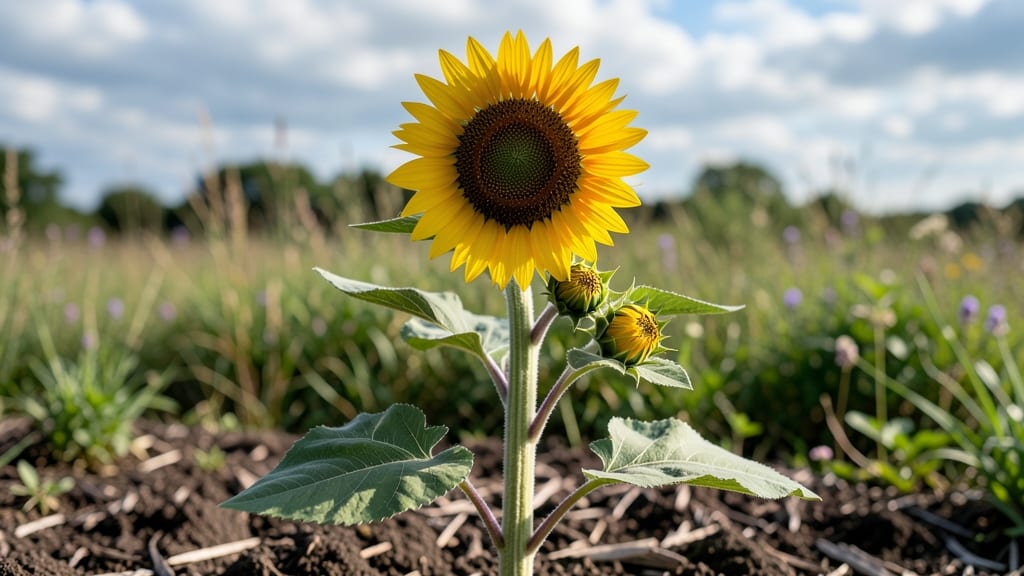
The sunflowers sun requirements are clear: they need full sun—at least 6 to 8 hours of direct light daily—to grow their iconic towering stems and vibrant blooms 🌻.
But here’s the catch: not all sunlight is created equal. Too little light leaves your sunflowers leggy and weak, while too much can scorch their leaves before they even reach maturity. The key is finding that sweet spot where they soak up enough rays to thrive without burning out.
In this guide, I’ll break down the exact sun requirements for sunflowers, including how to spot signs of light stress, adjust for partial shade, and even maximize growth in less-than-ideal conditions.
Whether you’re in a sunny backyard or a shadier corner of your garden, these tips will help your sunflowers reach their full potential.
You’ll also discover pro tips like companion planting and reflective surfaces to give your sunflowers the extra boost they need—even when sunlight is limited. Let’s get those stalks growing tall and strong!

How many hours of sun do sunflowers need daily?
Sunflowers are sun worshippers, but their sunlight needs vary dramatically between varieties. While most thrive in full sun (6-8+ hours daily), some dwarf varieties can tolerate partial shade—if you know the right adjustments.
The key is matching your sunflower variety with your garden’s light conditions to avoid leggy stems or scorched petals.
For giant sunflowers like 'Mammoth' or 'Russian Giant', 8+ hours of direct sun is non-negotiable. These towering beauties need maximum light to fuel their 10-16 foot growth and produce those iconic 12-inch-wide blooms.
Even a few hours of shade can leave them stunted and weak, struggling to support their own weight.
Dwarf varieties like 'Teddy Bear' or 'Sunspot' are far more flexible. They’ll tolerate 4-6 hours of sun daily—perfect for container gardens or partial-sun spots near fences or trees. However, they’ll still reward you with bigger blooms and stronger stems when given 6+ hours of light.
Multi-stem varieties (like 'Autumn Beauty') fall in the middle, needing 6-7 hours of sun to produce their clusters of smaller blooms. These are ideal for border plantings where you might get morning sun but afternoon shade.
| Variety Type | Ideal Sunlight | Minimum Tolerance | Best For |
|---|---|---|---|
| Giant (e.g., 'Mammoth', 'Russian Giant') | 8+ hours full sun | 6 hours (growth suffers below) | Backyard displays, tall borders |
| Standard (e.g., 'Autumn Beauty', 'Procutator') | 6-8 hours full sun | 4 hours (smaller blooms) | Cut flowers, pollinator gardens |
| Dwarf (e.g., 'Teddy Bear', 'Sunspot') | 4-6 hours sun | 3 hours (container-friendly) | Patio pots, window boxes |
| Multi-Stem (e.g., 'Lemon Queen', 'Evening Sun') | 6-7 hours sun | 4 hours (clustered blooms) | Mass plantings, borders |
Morning sun (6 AM–12 PM) is gentler than afternoon rays (12 PM–6 PM), especially in hot climates. If you’re in a Zone 9+ garden, prioritize morning sunlight and provide afternoon shade with lightweight shade cloth (30-50%) to prevent heat stress.
To measure sunlight in your garden, use a sunlight tracker app or place a white plate in potential spots. Count how many hours it stays fully illuminated.
For partial-sun areas, aim for at least 4 hours of direct light—just avoid deep shade where sunflowers get less than 3 hours daily.
If your garden only offers partial sun, choose dwarf varieties or supplement with a reflective surface (like white gravel or a mirrored panel) to bounce extra light onto your plants. This can add 1-2 hours of effective sunlight without extra effort.
Remember: Sunflowers follow the sun (heliotropism) as seedlings. Once established, they’ll reorient their blooms toward morning light. This natural behavior helps them maximize energy—so give them the brightest spot you can for those show-stopping blooms.
🌻
Signs your sunflowers aren’t getting enough (or too much) sun
Sunflowers are sun worshippers, but even they can suffer when sunlight isn’t just right. If your plants are stretching awkwardly or their leaves look bleached and crispy, your sunflower’s light needs might be off.
The key is recognizing the difference between sun deficiency and sunburn—both can ruin your harvest if ignored. Let’s decode the visual clues so you can adjust their environment before it’s too late.
When sunflowers don’t get enough sunlight, they’ll start reaching upward like they’re trying to escape a dim room. Their stems grow leggy and weak, while leaves turn pale yellow or white. You might also notice smaller blooms or no flowers at all.
This isn’t just a cosmetic issue—it means your sunflowers are struggling to produce the energy they need for growth and flowering. Even worse, they’ll become vulnerable to pests and diseases.
Sunflower Sunlight Needs: Pros & Cons
✅ Ideal Sunlight (6-8+ Hours Daily)
- Tall, sturdy stems (up to 12+ ft)
- Deep green leaves (rich, vibrant color)
- Large, vibrant blooms (3-6+ inches wide)
- Faster growth (reaches maturity quicker)
- Higher seed yield (more viable seeds)
⚠️ Too Little Sun (Under 4 Hours)
- Leggy, weak stems (may flop over)
- Pale, yellow leaves (chlorosis)
- Small or no blooms (bolting fails)
- Slow growth (takes months to mature)
- Prone to mold (excess moisture in shade)
⚠️ Too Much Sun (Harsh Afternoon Heat)
- Browned petals (scorched edges)
- Crispy, wilted leaves (dry and brittle)
- Stunted growth (stress halts development)
- Premature wilting (even with water)
- Reduced seed viability (poor pollination)
On the flip side, too much sun—especially intense afternoon rays—can be just as harmful. Look for browned or crispy petals and leaves that feel dry to the touch. Your sunflowers might also wilt suddenly even when the soil is moist, a sign of heat stress.
This often happens in southern climates or when plants are overcrowded, trapping heat near the soil. Without shade, their roots can’t retain moisture, leading to rapid dehydration.
Common mistakes that throw off sunlight include planting near tall trees, fences, or buildings that cast long shadows during peak hours. Even overcrowding can block sunlight between plants, while seasonal light changes (like shorter winter days) might catch you off guard.
To fix these issues, rotate your plants every few weeks so all sides get equal light, or thin out seedlings to improve airflow and sunlight penetration. For afternoon sunburn risks, consider light shade cloth or mulching to keep roots cool.
If your sunflowers are already showing signs of distress, don’t panic—it’s often a quick fix. Move them to a sunnier spot immediately and water deeply to help them recover. For leggy stems, prune the top to encourage bushier growth, and fertilize lightly to boost their energy.
With the right adjustments, your sunflowers can bounce back and bloom beautifully in no time.
Remember, sunflowers are resilient, but they do need your help to thrive. Pay attention to their visual cues, and you’ll always know when to move them, shade them, or give them extra care.
A little observation goes a long way in growing taller, healthier sunflowers that’ll turn every garden into a sunlit masterpiece. 🌻