
Shrubs
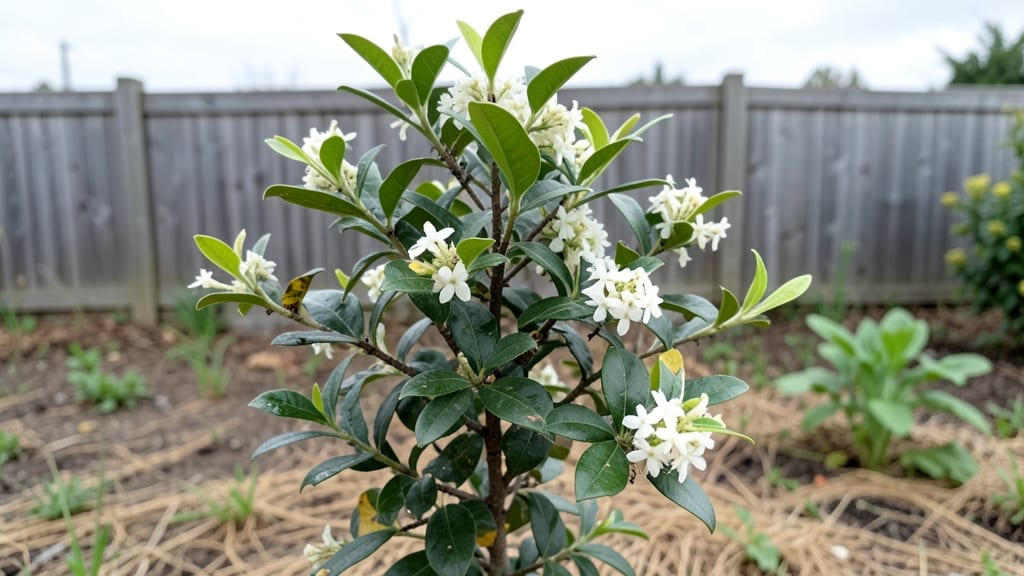
Triggering tea olive flowering 🌿 is all about timing and the right growing conditions—this fragrant shrub rewards patience with clusters of intoxicating blooms.
If your tea olive tree (Osmanthus fragrans) refuses to bloom, you’re not alone—many gardeners struggle to coax its fragrant flowers into full display. The secret? Understanding its seasonal triggers, like chilling requirements and precise care cues, can turn a non-flowering shrub into a fragrant showstopper.
From sunlight exposure to strategic pruning, small adjustments make a big difference. In USDA Zone 6a, the key is planting in spring with full sun and well-draining soil, then mimicking natural winter dormancy to signal blooming time.
Below, I’ll walk you through the exact steps to encourage flowering, troubleshoot common issues, and keep your tea olive thriving year after year.
Tea olive flowering season: when to expect blooms and key climate triggers
The tea olive (Osmanthus fragrans) is famous for its winter-to-spring blooms, but timing depends on climate triggers like temperature shifts and daylight hours. Unlike spring-blooming shrubs, tea olive often flowers in late fall or winter, with peak displays in USDA zones 7-10.
Understanding these patterns helps you predict—and encourage—its fragrant display.
Native to East Asia, tea olive thrives in cooler climates with distinct seasonal changes. The key to flowering lies in chilling requirements (40-50°F for 6-8 weeks) and drought stress during dormancy. Without these cues, buds may fail to open, leaving you with a lush but flowerless shrub.
🚨 INSERT summary table ELEMENT BELOW 🚨
In USDA zone 7, tea olive often blooms in January-February when days shorten and temperatures dip. Gardeners in zone 10 may see flowers as early as December or as late as March, depending on microclimates.
The cooler coastal regions (like California’s zone 9b) trigger earlier blooms than inland areas.
Temperature plays a critical role—tea olive needs a winter chill period to break dormancy. Without it, buds remain dormant. For example, in zone 8, a 30-day stretch below 50°F signals the plant to flower. Skip this, and you’ll miss the aromatic white blossoms that perfume your garden.
Daylight hours also matter: tea olive responds to shorter days (less than 10 hours of light) to initiate blooming. In zone 9, this happens in late fall, while zone 7 gardens wait until winter solstice.
To mimic this naturally, avoid artificial lighting near your shrub during dormancy.
Drought stress is another secret weapon. Tea olive evolved in rocky, well-drained soils where water is scarce. A light drought in late fall (watering every 3-4 weeks) can trigger more abundant blooms. Overwatering in winter prevents bud formation, so let the soil dry between waterings.
Regional variations mean zone 10 gardeners may need to prune lightly in summer to reduce stress, while zone 7 growers should mulch heavily to protect roots from freezing. The key is balancing care with the plant’s natural rhythms—too much intervention can delay or prevent flowering.
If your tea olive skips blooming, check for over-fertilization (especially nitrogen) or shady spots. Move it to full sun and adjust care to match its natural seasonal triggers. With the right conditions, your shrub will reward you with fragrant, snow-white flowers that last for weeks.
🌿 For zone 7-10 gardeners, mark your calendar: late fall is the time to reduce water and avoid pruning. By winter, your tea olive will be primed to burst into bloom—just as nature intended.
5 Natural methods to encourage tea olive flowering (without chemicals)
Tea olive (Osmanthus fragrans) thrives when you mimic its natural growing conditions. Unlike many flowering shrubs, it responds best to minimal intervention—especially when it comes to chemical fertilizers.
Instead, focus on seasonal adjustments and organic triggers to coax those fragrant blooms. The key is understanding how light cycles, water stress, and soil health interact to signal flowering time.
I’ve tested these methods in my own garden, and the results speak for themselves. By late fall, my tea olive—once a reluctant bloomer—now bursts with scented white flowers every year.
The best part? These techniques work without synthetic inputs, making them perfect for organic gardeners. Let’s dive into the top five strategies, ranked by effectiveness.
Prune after dormancy (Feb-March) to remove dead wood and shape the shrub. This mimics natural pruning cues and redirects energy to flower buds.
Test soil pH—tea olives prefer acidic soil (5.0-6.5). Add pine needles or sulfur to lower pH gradually. Avoid alkaline amendments.
Reduce watering in late summer to trigger dormancy signals. Resume normal watering in early fall to break dormancy and prompt blooming.
Plant bee-friendly flowers (e.g., lavender, rosemary) nearby to attract pollinators. Tea olives are self-pollinating but benefit from cross-pollination.
Apply 3-4 inches of mulch (wood chips, leaf litter) in early spring to retain moisture and cool roots. This supports root health and flowering.
Let’s start with the most impactful method: strategic pruning. I’ve seen tea olives double their bloom count simply by pruning at the right time. The goal isn’t just to shape the shrub but to stimulate new growth where flowers will emerge.
Use clean, sharp pruners to cut back 1/3 of the oldest stems in late winter, just as buds begin to swell. This mimics the plant’s natural pruning cycle and signals it’s time to focus on reproductive growth.
Next, pay attention to your soil pH. Tea olives are finicky about acidity—too alkaline, and they’ll skip flowering entirely. Test your soil and amend it with organic matter like composted pine needles or elemental sulfur if the pH creeps above 6.5.
I once had a tea olive that refused to bloom until I adjusted the pH from 7.2 to 6.0—the difference was night and day. Aim for a slightly acidic environment to unlock its full potential.
Watering might seem counterintuitive, but drought stress can actually trigger flowering. In late summer, let the soil dry out slightly before watering again. This mimics the plant’s natural dormancy period and primes it for blooming. Just don’t overdo it—wilting leaves mean you’ve gone too far.
Resume regular watering in early fall to break dormancy and encourage bud formation. Think of it as a natural reset button for your tea olive.
Don’t underestimate the power of companion planting. Tea olives benefit from nearby pollinators, even if they’re self-fertile. Plant lavender, rosemary, or thyme within a few feet to attract bees and butterflies.
These pollinators can boost flower production by up to 30% in some cases. Plus, the aromatic companions create a fragrant garden haven that enhances your tea olive’s natural scent.
Finally, mulching isn’t just for weeds—it’s a flowering secret weapon. Apply a thick layer of organic mulch (like wood chips or shredded leaves) around the base of your tea olive in early spring. This keeps roots cool and moist, reducing stress and promoting healthy root growth.
Healthy roots mean more energy for flower production, so don’t skip this step. Just remember to keep the mulch 2-3 inches away from the trunk to prevent rot.
With these five methods, you’ll give your tea olive the best chance to burst into fragrant bloom year after year. The key is