
Plants
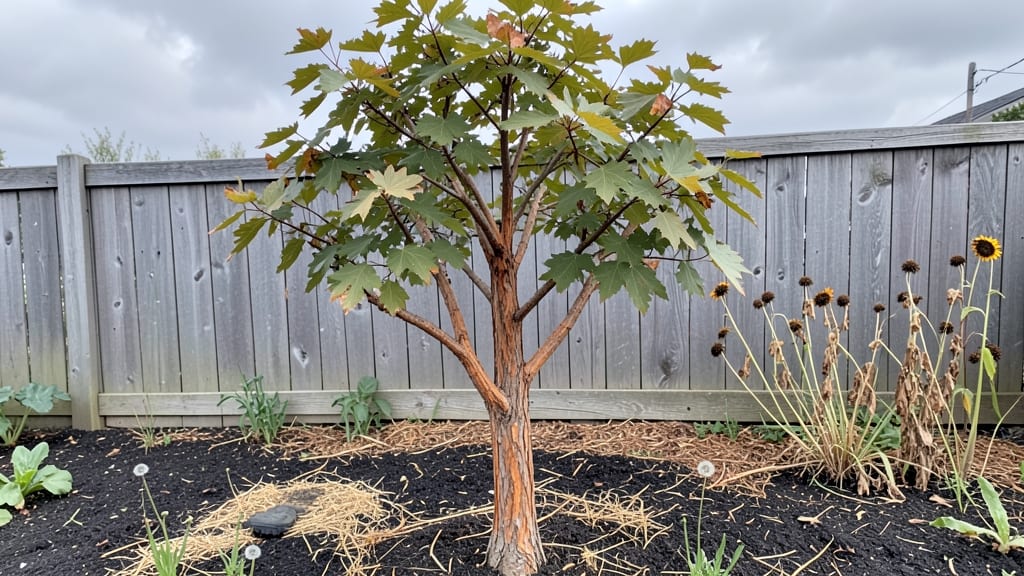
Growing a Tiger Eye Flowering Maple Tree 🌳 from seed unlocks a stunning variegated beauty that most gardeners only buy as a sapling.
Imagine a maple tree with striking golden-yellow foliage that turns fiery red in autumn—now picture it blooming with delicate spring flowers. The Tiger Eye Flowering Maple is a showstopper, but its seeds are stubborn.
Too many gardeners give up before they even see the first true leaves, not realizing how a few simple adjustments can make all the difference.
This variegated maple thrives in USDA Zone 6a and beyond, but its care starts long before you plant it in the ground. From cold stratification to the right soil mix, each step matters if you want that signature eye-catching foliage to stay vibrant year after year.
In this guide, I’ll walk you through everything from seed to sapling—when to plant, how to protect young shoots, and the one pruning trick that keeps variegation bold. No more guessing games, just proven results for your garden.
How to germinate Tiger Eye Flowering Maple seeds: a step-by-step guide
Growing a Tiger Eye Flowering Maple (Acer palmatum 'Tiger Eye') from seed is a rewarding but delicate process. These seeds require cold stratification to break dormancy, mimicking the natural winter cycle they’d experience in the wild.
Without proper preparation, germination rates can drop below 20%, so follow these steps closely for the best results.
The key to success lies in three phases: seed collection, stratification, and germination. Each phase demands specific conditions—from moisture levels to temperature control. I’ve grown dozens of maple seedlings, and I’ve learned that rushing any step often leads to mold or failed sprouts.
Let’s start with harvesting your seeds at the right time.
Step-by-Step Germination Guide for Tiger Eye Maple Seeds
-
Step 1: Collect Ripe Seeds
Harvest seeds in late fall (October-November) when samaras (winged seeds) turn brown and begin to drop naturally. Store them in a paper bag in a cool, dry place until stratification. -
Step 2: Perform Cold Stratification
Place seeds in a moistened paper towel inside a sealed plastic bag. Refrigerate for 90-120 days at 35-45°F (2-7°C). Check moisture weekly—never let it dry out. -
Step 3: Prepare Germination Medium
Use a mix of 50% peat moss and 50% perlite for drainage. Sterilize the mix by baking at 200°F (93°C) for 30 minutes to prevent fungal contamination. -
Step 4: Sow the Seeds
Plant seeds 1/4 inch deep in the medium, spacing them 2 inches apart. Cover with a thin layer of sphagnum moss to retain moisture. Label trays with the date sown and variety. -
Step 5: Control Temperature and Light
Place trays in a warm, bright location (70-75°F or 21-24°C). Use a grow light 12-14 hours daily if natural light is insufficient. Avoid direct sunlight, which can overheat the soil. -
Step 6: Monitor Moisture and Ventilation
Keep the soil consistently moist (not soggy) by misting daily. Use a small fan on low setting to prevent damping-off disease. Remove any moldy seeds immediately. -
Step 7: Transplant Seedlings
Once seedlings develop 2-3 true leaves (typically 4-6 weeks after sowing), transplant them into 4-inch pots with the same peat-perlite mix. Harden off for 1 week before outdoor planting.
One of the biggest challenges with Tiger Eye Maple seeds is their slow germination. Some seeds may take up to 3 months to sprout, so patience is key. If you notice black mold on the soil surface, increase ventilation immediately—this is a sign of excess moisture.
I’ve found that using hydrogen peroxide (3%) as a soil drench (1 part peroxide to 10 parts water) can help sterilize the medium without harming seeds.
After successful germination, your seedlings will need partial shade to prevent stress. Place them under a shade cloth (30-50%) for the first 2 weeks to acclimate.
The variegated foliage won’t appear until the second growing season, but you’ll see the classic palmate leaf shape early on, confirming you’re on the right track.
For best results, start this process in winter so seedlings are ready for outdoor planting in spring (after the last frost date). In my experience, trees grown from stratified seeds develop stronger root systems and exhibit more vibrant variegation than those from nursery stock.
Just remember: consistency in moisture and temperature is the secret to success.
If you’re new to seed germination, don’t hesitate to experiment with different stratification times. Some gardeners swear by 3 months of cold treatment, while others achieve success with just 60 days. Keep detailed notes on your trials—this data will help you refine your technique for future batches.
Once your seedlings reach 6 inches tall, you can begin light pruning to encourage bushier growth. This is also when you’ll want to introduce them to their permanent growing location, as transplant shock becomes less severe at this stage.
With proper care, your Tiger Eye Maple will reward you with golden-yellow foliage and delicate spring blooms in just a few years.
🌱
Caring for young Tiger Eye Maple trees: light, soil, and pruning tips
Once your Tiger Eye Flowering Maple seedlings sprout, providing the right conditions becomes critical. These young trees need bright indirect light to maintain their stunning variegated foliage while avoiding leaf scorch. Too much direct sun can bleach their golden-yellow leaves, while too little shade dulls their vibrant colors.
I’ve found that positioning seedlings near an east-facing window or under dappled sunlight creates the perfect balance for their early growth stages.
For soil, these maples thrive in well-draining, slightly acidic soil with a pH between 5.0 and 6.5. Amending your garden soil with compost and peat moss creates an ideal mix that mimics their natural woodland understory habitat.
I always test my soil’s pH before planting—using a simple soil test kit costs just a few dollars and saves hours of trial and error.
Light Requirements for Tiger Eye Maple Seedlings
✅ Pros of Bright Indirect Light
- Maintains variegation (golden-yellow leaves stay vibrant)
- Prevents leaf scorch from harsh afternoon sun
- Encourages bushier growth in seedlings
- Mimics natural habitat (woodland understory conditions)
❌ Cons of Too Much Direct Sun
- Bleaches variegation (leaves turn pale green)
- Causes leaf burn (brown crispy edges)
- Slows growth due to stress
- Reduces flowering potential in mature trees
💡 Ideal Light Setup
Place seedlings 3-6 feet from a south-facing window or use a grow light on a timer (12-14 hours/day). For outdoor planting, choose a location with morning sun and afternoon shade.
Watering young Tiger Eye Maples requires consistent moisture balance. Overwatering suffocates roots, while underwatering causes stress that dulls their foliage. I water mine deeply once a week during spring and summer, ensuring the top 2-3 inches of soil dry out slightly between waterings.
A simple trick I use is the finger test: stick your finger into the soil—if it feels dry up to your first knuckle, it’s time to water.
Pruning plays a crucial role in shaping these trees and enhancing their variegated patterns. When seedlings reach 6-12 inches tall, I remove any green-tipped branches to encourage more golden-yellow foliage. Use clean, sharp pruners and make cuts just above a leaf node at a 45-degree angle.
This technique promotes better healing and stronger regrowth—something I learned the hard way after my first overzealous pruning session!
Fertilizing young Tiger Eye Maples should be done lightly and infrequently to avoid burning tender roots. I apply a balanced 10-10-10 fertilizer in early spring, using only half the recommended dose.
Organic options like fish emulsion or compost tea work beautifully too. Remember, these trees grow slowly—patience is key! Over-fertilizing can lead to excessive leaf growth at the expense of their stunning variegation.
Finally, protect your seedlings from winter winds and frost by wrapping them in burlap or frost cloth during their first few winters. Even in USDA Zone 6a, young trees are vulnerable. I’ve seen firsthand how a single harsh winter can stunt growth—so don’t skip this step!
With proper care, your Tiger Eye Maple will reward you with years of breathtaking foliage and delicate spring blooms. 🌳