
Blooming
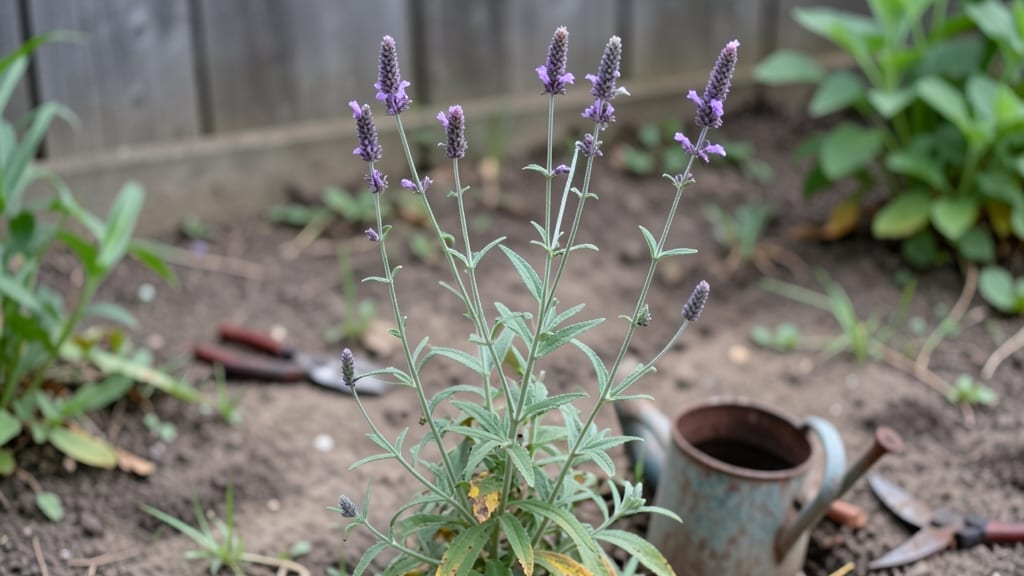
Verbena not flowering? That stubborn silence might just need a few simple tweaks to wake it up. ✨ I’ve nursed back more than a few verbena plants from their leafy, bloomless slump—usually by addressing one overlooked factor like light, nutrients, or timing.
The good news? Most fixes take less than an hour and require just a handful of tools you likely already have.
Here’s the thing—verbena plants will flower when they’re happy, but they’re picky about their conditions. Too little sunlight sends them into survival mode, while overcrowded roots or wrong pruning tricks them into focusing on leaves instead of blooms.
Even the soil can be the culprit: poor drainage or nutrient imbalances starve those vibrant purple or pink flowers right out of existence. The fix often starts with a quick inspection of these three areas.
Within 2-4 weeks of adjusting light, water, or pruning, you’ll see new flower buds forming—sometimes even in the same week if the issue was water-related. I’ve revived plants that looked hopeless by simply moving them to a sunnier spot and giving them a light trim.
The key is checking one thing at a time so you know exactly what’s working. Let’s get your verbena back in full, colorful bloom.
This works for both annual verbena (like Verbena bonariensis) and perennial varieties, though timing matters—some need winter dormancy to reset. Whether you’re dealing with a container plant or garden bed, the same principles apply. Ready to troubleshoot? Here’s how to diagnose and fix it step by step.
Why it happens
Verbena plants are known for their vibrant, long-lasting blooms that bring color to gardens—but when those flowers refuse to appear, it’s often a sign that something fundamental is off.
Understanding the root causes of a non-flowering verbena helps you address the issue before it worsens. Here’s a breakdown of the most common culprits, explained in clear, actionable terms.
🌱 Insufficient Light Exposure
Verbena thrives in full sun, requiring at least 6 to 8 hours of direct sunlight daily. When deprived of adequate light, the plant shifts its energy toward leaf growth instead of producing flowers.
This is due to photoperiodism, a natural process where plants detect light duration and adjust their flowering cycles accordingly.
In low-light conditions, verbena may also develop long, leggy stems and pale foliage—a clear signal that it’s stretching toward any available light.
If your plant is indoors or in a shaded outdoor spot, it’s unlikely to bloom. Solution: Relocate it to a sunnier area immediately, or supplement with a grow light if indoor gardening is your only option.
💧 Overwatering or Poor Drainage
Verbena is a drought-tolerant perennial, meaning it prefers well-draining soil and moderate moisture. Overwatering or soggy soil can lead to root rot, which stresses the plant and halts flower production.
Additionally, excessive moisture triggers ethylene gas production in the roots, a stress hormone that signals the plant to conserve energy—often at the expense of blooming.
Check your verbena’s soil by sticking your finger 1 to 2 inches deep. If it feels damp, withhold water until the top inch is dry. If your pot lacks drainage holes, repot the plant in a container with perforations and use a cactus or succulent mix to improve airflow.
✂️ Lack of Pruning or Deadheading
Verbena flowers continuously if properly maintained, but without regular pruning or deadheading, the plant can become overcrowded and energy-depleted. When spent blooms aren’t removed, the plant redirects nutrients to seed production instead of new flowers.
Additionally, apical dominance (where the topmost bud suppresses side growth) can occur if you don’t trim back leggy stems.
To encourage flowering:
- 🔪 Deadhead faded blooms weekly by pinching them off with your fingers or pruning shears.
- 🌿 Prune leggy stems by cutting back one-third of the plant’s height in early spring to promote bushier growth.
- ✨ Fertilize lightly with a balanced, low-nitrogen fertilizer (like 10-10-10) after pruning to support new growth.
🌡️ Temperature or Nutrient Imbalances
Verbena is sensitive to extreme heat or cold, particularly below 50°F (10°C) or above 90°F (32°C) for prolonged periods. Temperature stress triggers dormancy-like responses, causing the plant to pause flowering until conditions improve. Similarly, nutrient deficiencies—especially phosphorus (key for blooming) or magnesium—can stunt flower production.
To correct this:
- 🌡️ Move potted verbena to a protected location if nighttime temps drop below 50°F.
- 📊 Test your soil’s pH (ideal range: 6.0–7.0) and amend with bone meal or compost if phosphorus levels are low.
- 💧 Water deeply but infrequently to prevent nutrient leaching during heatwaves.
🐞 Pest or Disease Pressure
Pests like aphids, spider mites, or whiteflies sap the plant’s energy, leaving it too weak to produce flowers. Even fungal diseases (such as powdery mildew) can create a stress response that halts blooming. Look for sticky residue, yellowing leaves, or webbing—telltale signs of an infestation.
Combat pests with:
- 💦 A neem oil spray (1 tsp neem oil + 1 quart water) applied weekly.
- 🌿 Introducing beneficial insects like ladybugs to control aphids naturally.
- 🌡️ Improving air circulation around the plant to prevent fungal growth.
Quick Fixes to Coax Verbena Blooms
Now that you know the likely reasons behind your verbena’s reluctance to flower, let’s tackle the solutions—one cause at a time. Each fix is designed to be simple, actionable, and backed by plant-care best practices.
Follow these steps, and your verbena should be bursting with color in no time!
🌱 Fix 1: Adjust Light Exposure for More Sun
Problem: Verbena loves sun—too little, and it throws a tantrum by skipping flowers. Solution:
- Move it to sunnier spot 🔥: Verbena thrives in 6–8 hours of direct sunlight daily. If your plant is in partial shade (e.g., under a tree or near a north-facing wall), relocate it to a south or west-facing area where it gets full sun.
- Rotate the pot 🌀: If sunlight is uneven (e.g., one side gets more light), turn the pot quarter-turn every few days to encourage even growth.
- Use reflective surfaces 🪞: Place a light-colored wall, mirror, or even aluminum foil behind the plant to bounce extra light onto its leaves.
Prevention Tip: ✨ For container verbena: Choose a large, lightweight pot (at least 12 inches wide) so you can easily move it to follow the sun’s path as seasons change.
💧 Fix 2: Water Wisely—Don’t Drown or Starve It
Problem: Overwatering or underwatering stresses verbena, halting blooms. Solution:
- Check soil moisture 👨🍳: Stick your finger 1–2 inches deep into the soil. If it’s dry, water deeply; if soggy, wait 2–3 more days.
- Water at the base 💦: Avoid wetting leaves to prevent fungal diseases. Use a watering can with a narrow spout or drip irrigation for precision.
- Improve drainage 🚿: If your pot lacks drainage holes, add a layer of pebbles or perlite at the bottom before repotting. For garden verbena, amend heavy soil with sand or compost to prevent waterlogging.
Prevention Tip: 💡 Pro Tip: Morning watering is best—it gives excess moisture time to evaporate before evening, reducing root rot risk.
🌿 Fix 3: Fertilize for Blooms (Not Just Leaves)
Problem: Too much nitrogen = lush foliage, but no flowers! Solution:
- Switch to bloom-boosting fertilizer 🌸: Use a balanced formula (10-10-10 or 5-10-5) or a phosphorus-heavy one (like 5-10-5) to encourage flowering. Avoid high-nitrogen (e.g., 30-10-10) fertilizers.
- Feed lightly but often 📅: Apply every 4–6 weeks during the growing season (spring to fall). Stop fertilizing in late summer to let the plant focus on blooming, not new growth.
- Try organic options 🥬: Compost tea, fish emulsion, or bone meal (sprinkled around the base) are great natural alternatives.
Prevention Tip: ✨ For container plants: Flush the soil with water monthly to prevent salt buildup from fertilizers, which can stunt growth.
✂️ Fix 4: Prune to Encourage More Flowers
Problem: Overgrown or leggy verbena prioritizes survival over blooms. Solution:
- Deadhead regularly 🌺: Snip off spent flowers with clean pruners or pinch them off by hand. This redirects energy to new blooms instead of seed production.
- Trim leggy stems 🔪: Cut back overly long or bare stems by 1/3 to encourage bushier, more compact growth. Focus on stems with no flowers.
- Shape it up 🎨: Give your verbena a light haircut every 4–6 weeks to maintain its shape and promote airflow (which reduces disease risk).
Prevention Tip: 💡 Best time to prune: Do it early in the morning when plants are hydrated, and use sterilized pruners (wipe with rubbing alcohol) to avoid spreading bacteria.
🌡️ Fix 5: Adjust Temperature and Humidity
Problem: Verbena is a warm-weather plant—cold snaps or high humidity can shock it into dormancy. Solution:
- Protect from frost ❄️: If temperatures dip below 50°F (10°C), move potted verbena to a sheltered spot or bring it indoors near a sunny window. For garden verbena, mulch the base with straw to insulate roots.
- Boost airflow 🌬️: If humidity is high (e.g., in a greenhouse or damp climate), space plants apart and use a small fan on low setting to improve circulation.
- Avoid drafts 🚪: Keep verbena away from AC vents, open windows, or doors that create sudden temperature swings.
Prevention Tip: 🌡️ For year-round blooms: In USDA Zones 8–11, verbena is perennial. In colder zones, treat it as an annual and replant fresh in spring for consistent flowers.
🌱 Fix 6: Repot or Divide Overcrowded Plants
Problem: Root-bound or overcrowded verbena competes with itself, leading to fewer blooms. Solution:
- Check root health 👀: Gently remove the plant from its pot. If roots are circling tightly or matted, it’s time to repot.
- Upgrade the pot 🏺: Move to a container 2–4 inches larger in diameter with fresh, well-draining potting mix. Avoid heavy garden soil—verbena hates soggy roots!
- Divide clumps 🔄: If your verbena has grown into a thick bush, gently separate it into smaller sections with clean pruners. Replant divisions in fresh soil.
Prevention Tip: ✨ Best soil mix: Combine equal parts potting soil, perlite, and coarse sand for optimal drainage.
🎯 Final Checklist for Verbena Blooms
Before you call it a day, run through this quick checklist:
- Sunlight? ☀️ 6+ hours daily ✅
- Water? 💧 Dry topsoil = time to water ✅
- Fertilizer? 🌿 Bloom-focused, not leafy ✅
- Pruned? ✂️ Deadheaded & shaped ✅
- Temperature? 🌡️ No frost or drafts ✅
- Roots? 🌱 Not crowded or rotting ✅
If you’ve ticked all these boxes, your verbena should rebound with vibrant blooms in 2–4 weeks! 🌸
Frequently asked questions
Why is my verbena growing leaves but no flowers?
This usually happens when your plant isn't getting enough sunlight or is receiving too much nitrogen fertilizer. Verbena needs 6-8 hours of direct sunlight daily to bloom, and excess nitrogen promotes leafy growth instead of flowers. Try moving it to a sunnier spot and switch to a phosphorus-rich fertilizer to encourage blooms.
How often should I deadhead my verbena for more flowers?
Deadhead your verbena weekly by pinching off spent blooms. This prevents the plant from focusing energy on seed production and redirects it to new flowers. For best results, use clean pruners or your fingers to remove faded blooms at their base.
Can overwatering prevent verbena from flowering?
Verbena is drought-tolerant and hates soggy roots. Overwatering causes root rot, which stresses the plant and halts blooming. Always check soil moisture by sticking your finger 1-2 inches deep—water only when the top layer feels dry.
Is it normal for my verbena to stop flowering in winter?
Yes, if you're in a colder climate. Verbena is a warm-weather plant that may enter dormancy when temperatures drop below 50°F. In USDA Zones 8-11, it can remain perennial, but in cooler areas, it's best treated as an annual. Bring potted plants indoors near a sunny window during cold months.
What should I do if my verbena has root-bound roots?
Repot your verbena into a container 2-4 inches larger with fresh, well-draining potting mix. Gently loosen the roots before transplanting to encourage new growth. If the plant is particularly crowded, divide it into smaller sections for better airflow and blooming potential.