
Planting
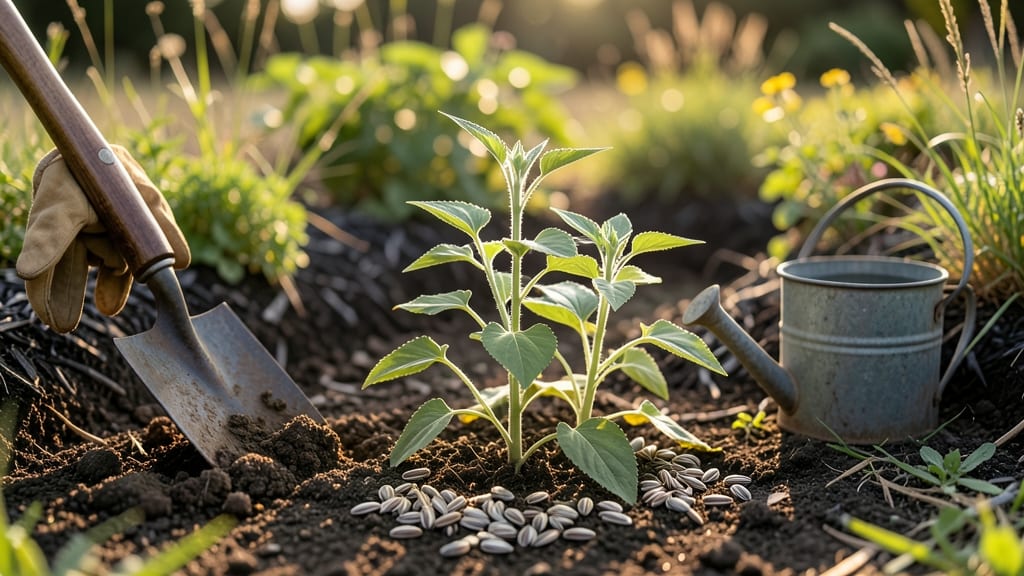
Planting sunflowers in the right time of year ensures those towering 🌻 blooms reach their full potential—and skips the heartbreak of frost-nipped seedlings.
Sunflowers bring joy with their towering stems and radiant blooms—but planting them at the wrong time can mean floppy stems or poor growth. Timing is everything, and your climate zone determines the perfect window for planting these cheerful giants.
In most of the U.S., the best time to plant sunflowers is April through May, right after the last frost. But whether you’re in a warm Southern zone or a cooler Northern region, the exact month matters for strong, healthy growth.
Below, I’ll break down the ideal planting months by USDA zone, plus how to adjust for your local weather. You’ll also discover the key soil and sunlight prep steps that set sunflowers up for success.
Best planting months for sunflowers by USDA climate zones
Sunflowers thrive when planted at the right time, but their ideal window varies dramatically across the USDA climate zones. In colder regions like Zone 1-4, you’ll want to plant early to maximize growth before frost, while Zones 8-11 offer longer growing seasons.
Even within the same zone, microclimates—like urban heat islands or high-altitude gardens—can shift your planting schedule by weeks.
For most gardeners, the best time to plant sunflowers falls between late spring and early summer, but exact timing depends on your last frost date and variety.
Early-season varieties (like 'Autumn Beauty') can handle cooler soils, while tall standard types (like 'Mammoth') need warmer temperatures to avoid stem flopping.
Below is a zone-by-zone breakdown of ideal planting windows, including early, mid, and late-season varieties to extend your bloom time. Always check your local frost dates—planting too early risks frost damage, while waiting too long may shorten your harvest.
In
How to adjust sunflower planting time for your local weather patterns
Your local weather patterns can drastically impact sunflower growth, so flexibility is key. Soil temperature below 50°F (10°C) slows germination, while consistent rainfall prevents drought stress. Even within the same USDA zone, microclimates—like urban heat islands or high-altitude gardens—can shift ideal planting windows by weeks.
For example, high-altitude gardens (e.g., Denver, CO) may need to plant sunflowers 2-3 weeks later than sea-level areas due to cooler soil temperatures. Meanwhile, urban heat islands (like downtown Chicago) can support earlier planting because pavement retains heat, warming soil faster.
- 🌱 Test soil temperature with a soil thermometer—plant when it reaches 60°F (15°C) for 1+ week. Cold soil delays germination.
- ☀️ Adjust for microclimates: Plant 2 weeks earlier in urban areas (heat-retaining surfaces) and 2 weeks later in high-altitude zones.
- 🌧️ Monitor rainfall trends: In dry climates, plant after spring rains (April–May). In wet regions, avoid planting during peak rainfall to prevent fungal diseases.
- ⏰ Extend seasons in cold climates: Use row covers or black plastic mulch to warm soil 2–3 weeks earlier in USDA Zones 3–5.
- 🌡️ Check frost dates: Plant after your last frost but before summer heat (aim for May–June in most zones). Late-season varieties can handle shortened daylight.
If you live in a cold climate (e.g., USDA Zone 3–4starting seeds indoors 4–6 weeks before your last frost date. Transplant seedlings outdoors once soil warms to 55°F (13°C), using row covers for extra protection if nights are still chilly.
In hot climates (e.g., USDA Zone 9–11early spring (March) or late summer (August–September) to avoid intense midday heat, which can stress young plants. Choose heat-tolerant varieties like ‘Autumn Beauty’ or ‘Moulin Rouge’ for better success.
For container gardening, time planting to match your balcony’s sun exposure. South-facing containers can plant 2 weeks earlier than north-facing ones. Use fast-draining potting mix to prevent root rot in pots, which dry out faster than garden soil.
Finally, keep an eye on local weather forecasts for unpredictable patterns. If a late frost is forecasted, delay planting or use frost cloth to protect young seedlings. With these adjustments, you’ll maximize sunflower growth no matter where you garden! 🌻