
Companion Plants
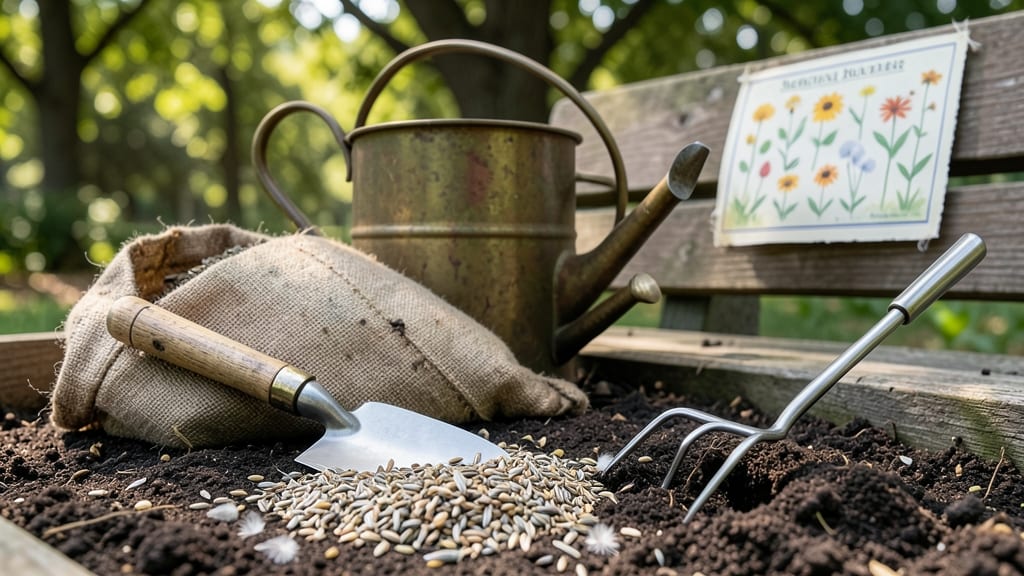
You can plant wildflower seeds in Ohio during early spring or late summer/early fall for the best results, with March–April and August–September being the ideal windows.
Ohio’s diverse climate—from snowy winters to humid summers—can make timing your wildflower seed planting tricky, but getting it right ensures vibrant blooms year after year. Whether you’re in USDA Zone 6a or nearby areas, understanding frost dates and soil conditions is key.
Planting in early spring lets seeds establish before summer heat, while fall sowing takes advantage of cooler temperatures and moisture. Both methods work, but each has its own advantages depending on your location and the types of wildflowers you choose.
Below, I’ll break down the best months for your zone, soil prep tips, and how to keep your wildflowers thriving—so you can enjoy those cheerful 🌼 blooms from season to season.
Ohio’s best planting months for wildflower seeds by USDA Zone (5a-6b)
Ohio’s USDA Zones 5a and 6b offer distinct planting windows for wildflower seeds, influenced by last frost dates and seasonal rainfall patterns. In Zone 5a (colder regions like Northeast Ohio), aim for early spring (March–April) or late summer (August–September) to align with soil temperatures and moisture.
Meanwhile, Zone 6b (Southern Ohio) can extend planting slightly later, with May still viable for hardy annuals.
Timing matters because wildflowers need consistent soil moisture to germinate. Planting too early in Zone 5a risks frost heaving, while waiting too late in Zone 6b may expose seeds to summer drought.
Perennials like black-eyed Susans and coneflowers thrive with fall planting, while annuals such as cosmos and sunflowers can handle spring sowing even in cooler zones.
🌱
For Zone 5a gardeners, prioritize fall planting in September to give seeds time to establish roots before winter. The 60°F–70°F soil temperature window is ideal for perennials like aster and goldenrod, which benefit from cold stratification.
In Zone 6b, extend spring planting to early May for annuals, but avoid late May sowing—Ohio’s summer heat can bake seeds before germination.
Summer planting is riskier but works for heat-loving annuals like marigolds or snapdragons. Sow seeds in June–July only if you commit to daily watering for the first month.
Use mulch to retain moisture and shield seeds from Ohio’s intense afternoon sun. Avoid summer planting for perennials—they’ll struggle to establish before winter.
🌿
Ohio’s microclimates add complexity. Urban areas (e.g., Columbus) may experience 2–3°F warmer soil temps than rural zones, delaying frost. Monitor local last frost dates—typically April 15 in Zone 5a and April 1 in Zone 6b—and wait 2–3 weeks after frost before planting spring wildflowers.
For fall, aim to finish by September 15 to avoid early October frosts that can damage young seedlings.
Pro tip: Test soil moisture before planting. Stick your finger 2 inches deep—if dry, water thoroughly 24 hours before sowing. Wildflower seeds need consistent contact with moisture to germinate, but avoid waterlogged soil, which causes rot.
In Zone 5a, fall rains often provide enough moisture, while Zone 6b may require supplemental watering in dry Septembers.
💧
Choose native wildflower mixes for Ohio’s climate, such as Ohio Prairie Wildflowers or Butterfly Magnet Blend. These blends include species like purple coneflower and butterfly weed, which thrive in Ohio’s well-draining, slightly acidic soils (pH 6.0–7.0).
Avoid heavy soils—amend clay with compost or sand to improve drainage. For containers, use a lightweight potting mix with perlite to prevent compaction.
Finally, consider seed scarification for tough-coated seeds like lupine or vetch. Lightly sand
Fall vs. spring planting: which works better for Ohio wildflowers?
Ohio’s microclimates and USDA zones 5a-6b create unique challenges for wildflower gardeners. While both fall and spring planting work, each season offers distinct advantages depending on your location—whether you're in urban Columbus or rural Appalachia.
Let’s break down the pros and cons to help you decide which timing aligns best with your goals.
Fall planting (late September through October) gives seeds a head start by allowing them to establish roots before winter dormancy. This method is especially effective in Ohio’s cooler northern regions, where early frosts can arrive sooner.
Spring planting (March to early April), on the other hand, capitalizes on Ohio’s warmer southern climates, where milder winters extend the growing window.
Fall Planting
- Earlier blooms next year
- Reduced competition from weeds
- Better moisture retention in fall soil
- Cooler temps ease seed stress
- Limited window before frost
- Requires soil prep in cooler months
- Less predictable in urban heat islands
Spring Planting
- Longer growing season for establishment
- Easier soil prep in warmer months
- Better for annuals like cosmos
- Flexible timing in southern Ohio
- Higher weed competition risk
- Drought stress in summer heat
- Slower germination in dry soil
For urban gardeners, fall planting often wins due to Ohio’s heat islands that dry out soil quickly. In contrast, rural areas with cooler nights benefit from spring planting’s extended growing window. Always test your soil’s moisture retention—amending with compost can make the difference between success and failure.
If you’re planting perennials like coneflowers, fall is ideal—they’ll establish deep roots before winter. For annuals like black-eyed Susans, spring planting lets you enjoy blooms the same year. Mulch heavily after planting to retain soil moisture and protect seeds from temperature swings.
Ohio’s last frost dates (typically April 15 in most zones) mark the cutoff for spring planting. For fall, aim to plant 4-6 weeks before first frost (usually by October 1). Adjust for elevation—higher areas freeze earlier.
My top recommendation? Try both methods in different sections of your garden. Document which performs best in your specific microclimate—your future blooms will thank you! 🌼