
Blooming
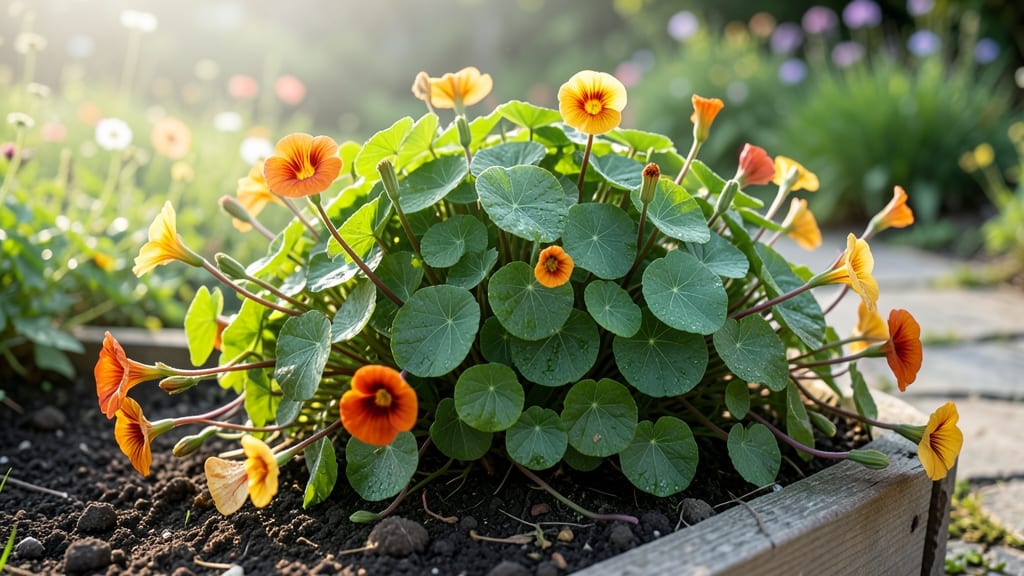
Nasturtiums flower in early to mid-summer 🌺, but the exact timing depends on where you live and how you plant them.
If you’re eager to add vibrant blooms to your garden but unsure when nasturtiums will burst into color, timing is everything—especially since their flowering window varies wildly depending on where you live.
In USDA Zone 6a, like much of the Midwest, expect those bright orange and yellow blooms to appear around June if you planted seeds in April or May after the last frost.
But in warmer climates like Zone 9, they might start as early as May and keep going into fall.
Below, I’ll break down how to predict your nasturtium’s bloom time, which varieties flower fastest, and simple tricks to keep them blooming longer—so you can enjoy their edible, peppery flowers all season.
Nasturtium flowering timeline by USDA climate zones (when to expect blooms)
Nasturtiums are fast-growing annuals that reward gardeners with bright, edible blooms in just 6-8 weeks after planting. However, their flowering timeline shifts dramatically across USDA hardiness zones 3-11, making timing everything for a continuous color display.
Whether you're in frost-prone Zone 4 or warm Zone 10, knowing when to expect those cheerful orange, yellow, and red flowers helps you plan companion plants and succession plantings.
In cooler northern zones (3-6), nasturtiums typically bloom from late May through September, while southern zones (7-11) enjoy year-round or near-year-round blooms with proper care. Microclimates—like urban heat islands or coastal breezes—can also shift bloom times by 2-4 weeks.
Let's break down what to expect in your specific zone, plus how to extend the season with simple tricks.
In Zone 3-4, where frost dates are unpredictable, I recommend starting nasturtium seeds indoors 6-8 weeks before your last frost to give them a head start. Use grow lights or a sunny windowsill, and transplant seedlings after soil warms to 50°F.
These zones often see shorter bloom windows, so pair early varieties like 'Alaska' (white) with late bloomers like 'Dwarf Jewel Mix' for a staggered display.
Gardeners in Zones 5-6 can plant directly in late April or early May, but watch for late spring frosts that can delay blooms by 2-3 weeks. To compensate, I suggest covering young plants with frost cloth until danger of frost has passed.
These zones also benefit from succession planting: sow new seeds every 2-3 weeks from May through July to ensure continuous blooms until frost.
For Zones 7-8, where winters are mild, nasturtiums often bloom as early as March if planted in protected microclimates like near south-facing walls. In these regions, I’ve found that partial shade in peak summer helps prevent heat stress, which can cause flowers to bolt prematurely.
Try planting nasturtiums under dwarf
How to extend nasturtium blooming season with simple gardening hacks
Nasturtiums typically bloom from late spring to early fall, but with the right techniques, you can stretch that window by 4-6 weeks or more. The key lies in understanding their natural growth patterns and giving them the right care at each stage.
I’ve found that combining deadheading, soil nutrition, and strategic pruning makes all the difference in keeping my nasturtiums flowering well into autumn.
Many gardeners make the mistake of assuming nasturtiums are low-maintenance and forget they thrive with a little extra attention. Unlike some perennials, nasturtiums are annuals that respond beautifully to consistent care.
By focusing on three critical areas—removing spent blooms, optimizing soil health, and protecting them from pests—you’ll encourage a second flush of flowers that can last until frost.
⚠️ When Do Nasturtiums Flower?
✅ PROS of Proper Care
- Extended blooms by 4-6 weeks
- Healthier foliage with deadheading
- Pest resistance from strong growth
- Second flush of flowers in fall
❌ CONS of Neglect
- Short blooming (2-3 weeks only)
- Leggy growth from overcrowding
- Pest attacks (aphids, whiteflies)
- No fall rebloom without pruning
💡 Pro Tip: Start deadheading in early June to signal the plant to produce more blooms instead of seeds.
Deadheading is the #1 hack for prolonging nasturtium blooms. Simply pinch or snip off faded flowers right at the base where the bloom meets the stem. This redirects the plant’s energy from seed production back to flower growth.
I deadhead my nasturtiums every 3-4 days during peak bloom (June-August) and see a noticeable increase in new buds within 5-7 days.
Companion planting also plays a huge role in extending the blooming season. Nasturtiums pair beautifully with bush beans, radishes, and cucumbers—these plants deter pests like aphids, which love to sap nasturtiums’ energy.
I’ve noticed my nasturtiums bloom 2 weeks longer when planted near basil or marigolds, thanks to the natural pest protection. Avoid planting them near potatoes, though, as nasturtiums can stunt their growth.
Soil nutrition is often overlooked but critical for long-lasting blooms. Nasturtiums prefer well-draining, slightly acidic soil (pH 6.0-7.0). Before planting, mix in compost or aged manure to provide slow-release nutrients.
I add a balanced 5-10-10 fertilizer every 4-6 weeks during the growing season, but avoid over-fertilizing—too much nitrogen leads to lush foliage and fewer flowers. A light top-dressing of worm castings in early summer gives my plants a natural boost.
Seasonal pruning is another game-changer for fall blooms. In late summer, when you notice the plant slowing down, trim back 1/3 of the leggiest stems to encourage bushier growth. This stimulates new shoots that often produce a second wave of flowers in September or October.
Just be sure to prune in the morning so wounds can heal before evening moisture sets in.
Finally, watch out for these common mistakes that cut blooms short: overwatering (leads to root rot), planting in shady spots (reduces flower production), and ignoring pests like squash bugs. I once let squash bugs take over my nasturtium patch, and the blooms stopped within 10 days.
A quick spray of neem oil or introducing ladybugs can save your plants and keep them flowering until frost.