
Plants
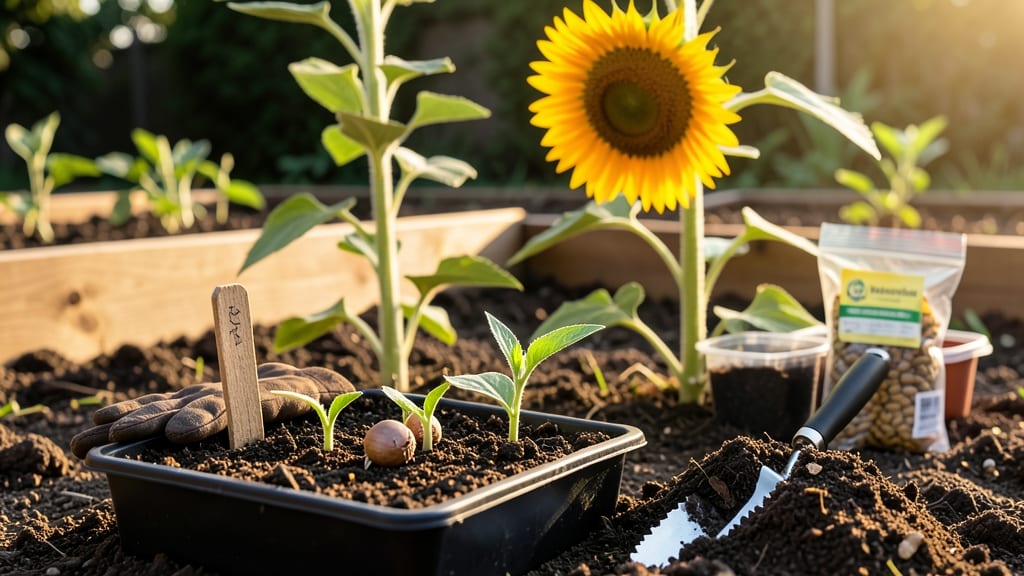
Planting sunflower seeds in Ohio after the last frost date—typically mid-April—sets you up for towering blooms by summer 🌻.
But timing isn’t just about the calendar—it’s about the soil, the weather, and even the variety you choose. One week too early, and a late frost will nip those tender sprouts.
Too late, and your 12-foot giants might bolt before harvest. I’ve seen both mistakes in my own garden, and I’m here to help you avoid them.
Ohio’s USDA Zone 6a means you’ve got a short but sweet window—about 165 frost-free days to grow sunflowers from seed to harvest. That’s just enough time for fast-maturing varieties like ‘Moulin Rouge’ or the dramatic ‘Russian Giant,’ but not for slow starters.
The key? Planting when the soil hits 55°F and counting backward from your first expected frost in October.
Below, I’ll break down the exact planting dates by region, how to prep your soil for Ohio’s clay-heavy ground, and which varieties handle our unpredictable springs best. No more guesswork—just sunflowers that thrive from seed to seed head.
Ohio sunflower planting deadlines by USDA Zone (with frost date maps)
Ohio’s diverse climate—from the cool northern hills of USDA Zone 5b to the warmer southern valleys in Zone 6b—means sunflower planting deadlines can vary by 2-3 weeks.
In Zone 5b, where last frost dates often linger until mid-May, you’ll need to wait longer than in Zone 6b, where frost-free soil typically arrives by early April. Getting this timing right ensures your sunflowers grow tall and strong instead of bolting too early or freezing.
For direct sowing (the preferred method for sunflowers), aim to plant seeds 1-2 weeks after your area’s average last frost date. Soil temperature is just as critical—sunflower seeds need soil temps above 55°F to germinate.
In Ohio, this usually aligns with late April to early May for most regions, but northern Ohio gardeners may need to push planting to mid-May to avoid frost damage.
Here’s a quick reference for Ohio’s USDA Zones 5b-6b, including last frost dates, optimal planting windows, and soil temperature benchmarks to guide your timing:
If you’re growing early-maturing varieties like ‘Moulin Rouge’ (60 days to harvest), you can push planting to late May even in Zone 5b, as they’ll still produce plump seed heads before frost.
For tall varieties like ‘Russian Giant’, plant by mid-June at the latest in Zone 5b to ensure they reach maturity before first frost in October.
Ohio’s unpredictable spring weather can throw off even the best-laid plans. If you’re in Zone 5b and soil temps are slow to warm, consider starting seeds indoors 2-3 weeks before your target outdoor date.
Use biodegradable pots to transplant seedlings without disturbing roots, and harden them off for 5-7 days before moving to the garden.
For succession planting, sow a second batch in early July to extend your harvest window. This works especially well in Zone 6b, where the growing season stretches into mid-October. Just be sure to choose fast-maturing varieties (70-80 days) to avoid late-season bolting.
Pro tip: Use a soil thermometer to confirm temps before planting. Sunflower seeds won’t germinate below 55°F, even if the air feels warm. In northern Ohio, wait until soil reaches 60°F for reliable germination.
In southern Ohio, you can plant as early as late March if soil temps are ideal, but cover seeds with row fabric to protect against late frosts.
Remember, sunflowers are drought-tolerant once established, but young seedlings need consistent moisture to avoid leggy growth. Water deeply 1-2 times per week until plants reach 12 inches tall, then taper off to encourage strong root development.
Mulch around the base with straw or grass clippings to retain moisture and suppress weeds.
By aligning your planting with Ohio’s USDA Zone deadlines and adjusting for local microclimates, you’ll enjoy vibrant sunflowers from summer through fall—just in time for pollinators and harvests. Happy planting! 🌻
How to adjust sunflower planting for Ohio’s unpredictable spring weather
Ohio’s spring weather can be as unpredictable as a toddler’s mood—one day warm and sunny, the next a surprise frost that turns your seedlings into popsicles. Sunflowers (Helianthus annuus) are hardy, but they still need a little help when Mother Nature throws curveballs.
The key is flexibility: knowing when to push forward and when to hit pause.
Most gardeners aim to plant sunflower seeds after the last frost date, typically around mid-April in southern Ohio and late April in the north. But what happens when frost lingers?
Or when soil stays too cold and wet? That’s where adaptive strategies come into play—like soil warming, frost protection, and staggered planting.
If nighttime temperatures dip below 32°F (0°C), young sunflower seedlings can suffer cold damage or even die. Use frost cloth or row covers for protection, and monitor forecasts via the NOAA’s Frost Prediction Tool. For northern Ohio (USDA Zone 5b), wait until May 1 to plant if frost is forecasted.
To give your sunflowers a fighting chance, start by warming cold soil. Lay down black plastic mulch 1-2 weeks before planting to raise soil temperatures by 5-10°F. This trick works especially well in northern Ohio, where soils can stay chilly well into May.
Pair this with direct sowing—sunflowers hate transplant shock, so skip the indoor starts.
For succession planting, sow seeds in two batches: the first after your targeted last frost date (e.g., April 15 for southern Ohio) and a second batch 4-6 weeks later.
This ensures a continuous bloom from July through October, even if early plantings struggle. Choose early-maturing varieties like ‘Moulin Rouge’ (60 days) for the second batch to guarantee success.
Don’t forget water management. Sunflowers need 1-2 inches of water weekly, but Ohio’s spring showers can lead to waterlogged soil, which stunts growth. Improve drainage by mixing compost into planting holes and avoid overhead watering to prevent fungal diseases.
Mulch with straw to retain moisture and suppress weeds—critical when seedlings are small.
If a heatwave hits early (yes, it happens in Ohio!), shade young plants with shade cloth until they’re 6 inches tall. After that, full sun is non-negotiable—sunflowers need 6+ hours daily to reach their full 6-14 foot glory.
For drought-prone areas, opt for dwarf varieties like ‘Teddy Bear’ (3-4 feet), which tolerate dry spells better than giants.