
Companion Plants
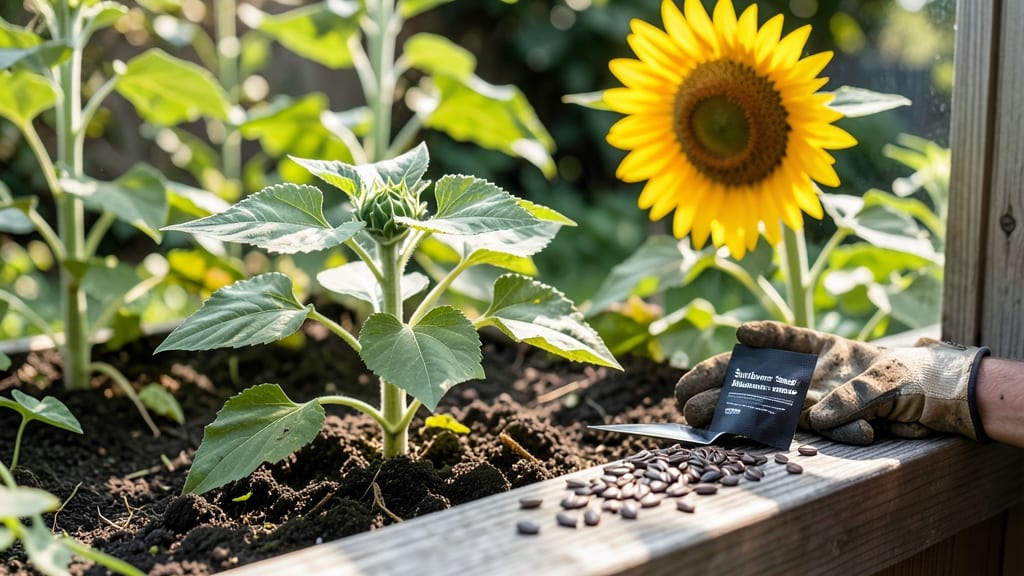
Planting sunflower seeds in Ohio after the last frost—when soil warms to at least 50°F—sets you up for towering blooms by summer.
Ohio’s unpredictable spring weather can turn sunflower planting into a guessing game—but timing these seeds wrong means wilted dreams instead of towering blooms. Here’s your precise frost-free planting schedule, tailored to Ohio’s USDA zones and climate quirks.
Most Ohio gardeners wait until mid-April, but Zone 5a areas should hold off until early May to avoid frost damage. The key is watching for soil temperatures, not just calendar dates.
Below, I’ll break down the exact planting windows by zone, how to test soil readiness, and the fastest-maturing varieties for Ohio’s short growing season.
Ohio sunflower planting timeline by USDA Zone (5a-6b)
Ohio’s USDA zones 5a-6b create a unique challenge for sunflower growers—the difference between a 10-foot giant and a wilted seedling often comes down to timing. Northern Ohio (Zone 5a) has earlier frost risks, while southern Ohio (Zone 6b) enjoys longer growing seasons.
Using data from NOAA and Ohio State Extension, I’ve mapped out exact planting windows to maximize your sunflower’s potential.
Sunflowers are warm-season annuals that thrive when soil temperatures hit 50°F+. Planting too early in cold soil leads to rotten seeds or stunted growth, while waiting too late cuts your blooming window short.
The key is aligning your planting with last frost dates and soil warmth, not just calendar months.
Here’s your zone-specific planting timeline, including early, standard, and late planting strategies to account for Ohio’s unpredictable spring weather. Use this as your guide to avoid the common mistake of planting sunflowers too soon—only to watch them fail when frost returns.
🌱 Pro Tip: For fastest germination, wait until the soil is consistently 55°F+ (use a soil thermometer). This often means planting 2-3 weeks after the official last frost date in Ohio.
| USDA Zone | Avg. Last Frost | Early Planting | Standard Planting | Late Planting | Harvest Window |
|---|---|---|---|---|---|
| 5a (Northeast Ohio) | April 25–May 5 | May 10–20 (soil 55°F+) | May 25–June 5 | June 10–20 (dwarf varieties) | Late July–early Sept |
| 5b (Central Ohio) | April 15–April 25 | April 25–May 10 | May 10–May 20 | May 25–June 5 | Early July–mid-Sept |
| 6a (Southwest/Southeast Ohio) | April 5–April 15 | April 15–April 30 | May 1–May 10 | May 15–May 25 | Mid-June–Oct |
| 6b (Southern Ohio) | March 25–April 5 | April 5–April 20 | April 20–May 5 | May 10–May 20 | Late June–Nov |
In Zone 5a (think Cleveland, Toledo), the last frost date averages April 25–May 5, but I recommend waiting until May 10–20 for standard planting. Early plantings in Zone 5a often face late frost risks, so opt for dwarf varieties if you plant after June 10.
For Zone 6b (like Athens, Chillicothe), you can push the envelope with early April plantings if your soil warms quickly. Test soil temperature with a thermometer—if it’s below 50°F, wait.
The longer growing season here lets you experiment with tall varieties like ‘Russian Giant’ for dramatic fall blooms.
Signs it’s Really Safe to Plant Sunflowers in Ohio (Beyond Dates)
Ohio’s spring weather is famously fickle—one day it’s 60°F sunshine, the next a 35°F surprise frost. Relying solely on calendar dates can leave your sunflower seeds sitting in cold, damp soil, waiting forever to sprout.
Instead, I’ve learned to watch for three key signs that signal it’s truly safe to plant: soil warmth, tree leaf-out, and microclimate cues.
First, grab a soil thermometer (they’re cheap and lifesavers). Sunflower seeds need soil temperatures of at least 50°F to germinate reliably. In northern Ohio (USDA zones 5a-5b), this usually aligns with mid-to-late May, while southern Ohio (zones 6a-6b) can hit this mark by early April.
Check temperatures in the early morning—that’s when soil is coldest, and if it’s 50°F+ then, you’re golden.
⚠️ callout warning ⚠️
⚠️ Don’t Plant Too Early! ⚠️
Cold, wet soil is sunflower seeds’ worst enemy. Planting before 50°F soil causes rot or delayed germination. Even if air temps are mild, seeds buried in 45°F soil may take 3+ weeks to sprout—or never emerge. Test your soil first! Pro tip: Warm soil faster by covering beds with black plastic mulch 1-2 weeks before planting.
Next, observe your neighborhood trees. When maple or birch leaves fully unfurl (not just budding), it’s a natural signal that soil has warmed enough for sunflowers. In my Columbus garden, this happens around mid-May, but in Toledo or Cincinnati, it can be weeks earlier.
Pair this with a frost-free window: if your local forecast shows a 90% chance of no frost for the next 10 days, you’re in the clear.
Microclimates throw a wrench into standard planting advice. A south-facing slope warms up faster than a north-facing yard, and urban areas stay 5-10°F warmer than rural fields. If you’re near concrete or pavement, soil heats up quicker—plant 2 weeks earlier than your zone’s average.
Conversely, low-lying areas with poor drainage may stay cold longer; wait until late May to avoid soggy soil.
Common mistakes trip up even experienced gardeners. I’ve seen folks plant sunflower seeds too shallow (1/2 inch instead of 1 inch deep), leading to dry-out before germination. Others overcrowd seeds, thinking more = better blooms.
Space them 6-12 inches apart (depending on variety) to avoid competition. And never plant after June 15 in Ohio—sunflowers need 80-120 days to mature, and late starts risk frost-nipped blooms.
Finally, trust your gut. If your yard feels unseasonably cold (e.g., morning frost on June 1), hold off. Sunflowers are hardy but not frost-tolerant—young seedlings can’t handle temps below 40°F. When in doubt, start seeds indoors 2-3 weeks before your target outdoor date.
With these signs as your guide, you’ll go from guessing to growing sunflowers that rival your neighbors’—or even tower over them! 🌻