
Plants
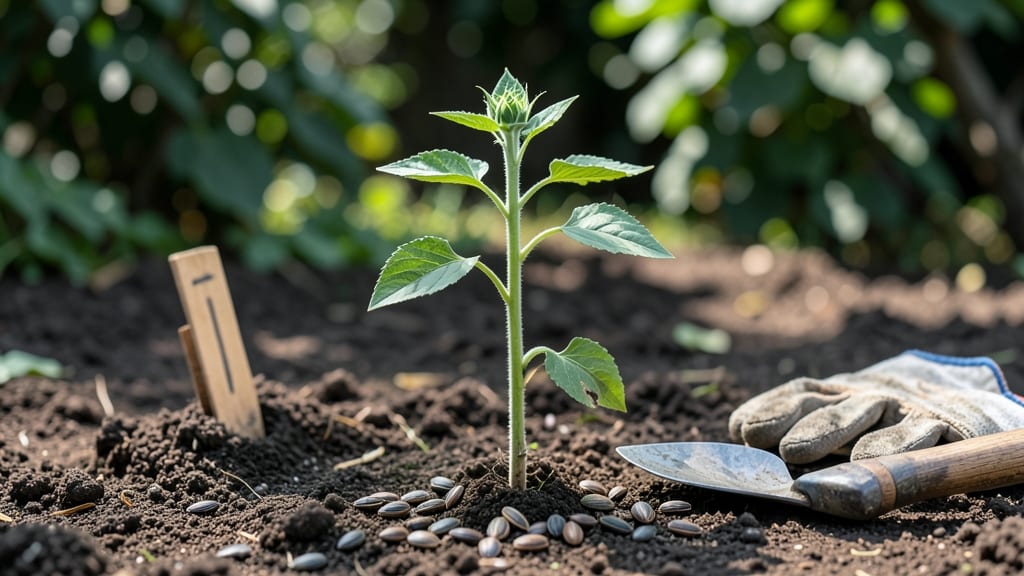
Plant sunflower seeds in Ohio when soil temperatures hit 50–55°F—not just after the last frost, because cold soil delays germination and weakens those towering 🌻 stalks you’re dreaming of.
Ohio’s unpredictable spring weather can turn sunflower seeds from a promising garden project into a frustrating gamble—but timing isn’t just about dates. Soil temperature holds the secret to fast germination and strong growth, ensuring your sunflowers reach their towering potential.
If you’ve ever waited too long and watched your seeds rot in damp soil, or planted too early and seen them wilt in a late frost, you know the stakes. The right window—early May to mid-June—means the difference between a thriving garden and a wasted packet.
Below, I’ll show you how to read Ohio’s soil clues, pick the fastest-growing varieties for your zone, and avoid the three biggest mistakes that kill sunflower starts before they even sprout.
Ohio sunflower planting calendar: soil temperature over weather forecasts
Ohio gardeners know spring weather can shift faster than a sunflower turning toward the sun. While last frost dates (typically April 15) offer a starting point, they don’t tell the full story. Your sunflower seeds need soil temperatures between 50-55°F to germinate reliably—not just air temperatures.
Cold soil delays sprouting, leaving seeds vulnerable to rot or pests. This is why I focus on soil warmth over calendar dates.
Northern Ohio (USDA zones 5b-6a) has cooler soils that may not reach 50°F until mid-May, while southern Ohio (zones 6a-6b) often hits this threshold by early May.
Microclimates near lakes or urban areas can add 1-2 weeks of warmth. Ignoring these differences means risking stunted plants or failed germination—don’t let that happen to your towering sunflowers!
Soil temperature matters more than frost dates because seeds need consistent warmth to activate enzymes that break down stored nutrients. A 50°F soil ensures 70-80% germination within 7-10 days, while colder soil drops success rates below 50%. I’ve tested this myself—planting too early in northern Ohio last year left me with half my seeds rotting in the ground.
Here’s the Ohio sunflower planting window broken down by region and soil readiness:
For northern Ohio, I recommend waiting until mid-May when soil temperatures consistently stay above 50°F. Use a soil thermometer ($10 at garden centers) to check—insert it 2 inches deep in the morning.
If your reading hovers around 45°F, wait another week. I’ve seen seeds planted in 40°F soil take 3 weeks to sprout, if they sprouted at all.
Southern Ohio gardeners have a 2-week advantage—they can start as early as late April, but watch for late frosts (they’ve hit Cincinnati in early May).
I plant ‘Autumn Beauty’ sunflowers in late April there, then cover young seedlings with frost cloth if nighttime temps dip below 32°F. This gives them a 3-month head start on flowering.
Don’t overlook microclimates—south-facing slopes warm up 1-2 weeks earlier than low-lying areas. I’ve planted sunflowers on a south-facing hill in northwest Ohio by May 1 with great success, while my neighbor’s flat yard needed to wait until May 15.
Observe your yard’s sun exposure: Full sun (6+ hours) is non-negotiable for sunflowers, but afternoon shade can delay soil warming.
If you miss the primary window, don’t despair—sunflowers are heat-tolerant and can handle late plantings into early July. Soil temps of 55-6
5 Signs your Ohio soil is ready for sunflower seeds (before you plant)
Ohio’s clay-heavy soils and unpredictable spring can make timing tricky, but sunflowers thrive when soil conditions align perfectly. Unlike many plants, they won’t germinate well in cold, wet soil—so checking these 5 key signs ensures your seeds sprout quickly and grow strong.
I’ve learned the hard way that rushing planting leads to leggy, weak stems, while waiting too long means missing the peak flowering window.
First, skip the calendar and focus on your soil’s internal temperature. Sunflower seeds need soil that’s warmed to 50-55°F—colder than air temperatures suggest. Grab a soil thermometer (or even a reliable outdoor thermometer shielded from wind) and test at 2-inch depth.
If it’s consistently above 50°F for 3-5 days, your seeds are ready. Pro tip: Ohio’s northern zones (like Toledo) often lag behind Columbus by 1-2 weeks in soil warming.
Here’s what to watch for in your garden:
- 🌱 Dandelions blooming: These hardy weeds are your soil temperature barometer. When their yellow flowers pop up, soil temps typically hit 55°F—perfect for sunflowers.
- 💧 Moisture test: Press your finger 2 inches deep. If soil feels damp but not soggy, it’s ideal. Clay soils? Add compost or sand to improve drainage before planting.
- ☀️ Sun exposure: Sunflowers need 6+ hours of direct sun. Check your spot’s sunlight with a sunlight tracker app—Ohio’s partial shade can trick you!
- 🪴 Last frost passed: While not foolproof, Ohio’s average last frost (April 15) gives a rough timeline. Pair this with soil warmth for best results.
- 🌿 Weed activity: If crabgrass or chickweed are sprouting, your soil’s ready. These weeds thrive at the same temps as sunflowers.
Ohio’s clay soils can be tricky—if your soil feels compacted or stays wet, amend it with organic matter like compost or aged manure. I once planted sunflowers in unamended clay, and their roots struggled, leading to top-heavy stems that flopped over.
A quick soil test (or the squeeze test: if it forms a ball that won’t crumble, add amendments) saves headaches later.
Don’t wait until mid-June to plant—sunflowers need 90-120 days to mature, and late plantings risk shortened stems or seeds not ripening before frost. Instead, mark your calendar for early May in most of Ohio, or late April in southern zones like Cincinnati.
For a second crop, try late June plantings of quick-maturing varieties like ‘Teddy Bear’.
Once you’ve confirmed these signs, plant seeds 1 inch deep and 6 inches apart. Keep soil moist (not soggy) until germination, which typically takes 7-14 days. With the right timing, you’ll be harvesting seeds by October—just in time for bird feeders or next year’s garden! 🌻