
Plants
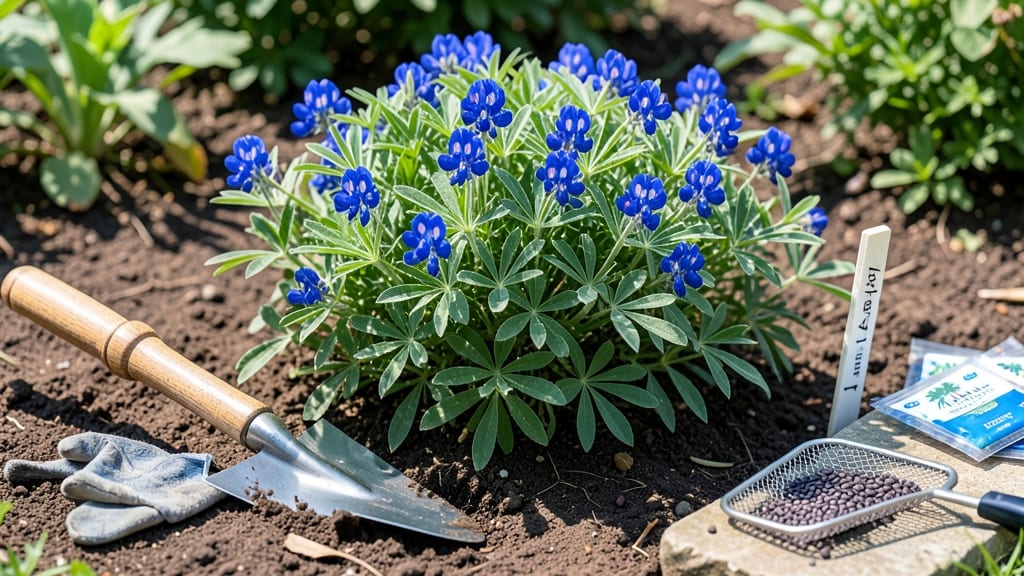
Planting wildflower seeds in Texas at the right time ensures vibrant blooms that transform your landscape into a pollinator paradise—without the guesswork.
Picture this: a field of bluebonnets stretching to the horizon, or a backyard buzzing with bees over black-eyed Susans. But miss the optimal window, and you’re left with patchy, underwhelming results.
The secret? Timing your seeds for either fall’s cool, moist soil or early spring’s warming days—both critical for germination in Texas’ 6a-10a climates.
Fall planting (September–November) is the gold standard for most Texas regions, letting seeds soak up winter rains while avoiding summer’s brutal heat. But spring (February–April) can work too—if you adjust for your specific zone and species.
Below, I’ll break down the best approach for your location, from soil prep to post-planting care, so your 🌼 wildflowers thrive year after year.
Ready to skip the trial-and-error? You’ll learn exactly when to scatter seeds, which native varieties perform best, and how to outsmart weeds for a meadow that blooms like clockwork.
Texas wildflower planting seasons: fall vs. early spring breakdown
Texas wildflowers like bluebonnets and Indian paintbrush thrive when planted during two key windows: fall (September–November) or early spring (February–April). Each season offers unique advantages, but the best choice depends on your region—North Texas, Central Texas, or South Texas—where microclimates shift soil temperatures and rainfall patterns.
Fall planting is the gold standard for most Texas gardeners, but spring can work with adjustments.
Fall planting aligns with cooler soil temps (50–65°F), which trigger germination without the stress of summer heat.
Seeds sown in September–October establish roots before winter rains, while early spring planting (February–March) risks drought stress as temperatures rise. Rainfall timing is another critical factor—fall seeds benefit from natural winter moisture, while spring plantings often require supplemental irrigation.
Regional differences matter: North Texas (USDA Zones 7–8) has earlier frost dates (November–December), while South Texas (Zones 9–10) stays milder year-round.
Central Texas (Zone 8) sits in the middle, with ideal fall planting from late September to mid-November. Bluebonnets and black-eyed Susans are classic fall choices, but coreopsis and salvia can handle spring sowing better.
Here’s how the two seasons stack up for germination success, bloom timing, and maintenance ease:
For North Texas, where winters are cooler, fall planting is non-negotiable—seeds sown after November 1 risk frost damage.
In Central Texas, aim for September–October to avoid late-year heat waves. South Texas gardeners can stretch fall planting into early December, thanks to milder winters, but spring planting is riskier due to summer droughts.
If you choose early spring planting, prioritize drought-tolerant species like coreopsis or salvia, which handle warmer soil temps better. Pre-soak seeds for 24 hours to jumpstart germination, and mulch heavily to retain moisture. Deadhead spent blooms in late summer to encourage reblooming before fall frost.
One critical mistake is planting too early in spring—soil temps below 55°F can stunt growth. Use a soil thermometer to confirm consistent 60°F+ temps before sowing. In South Texas, where winters are mild, some gardeners plant winter annuals like lupines in late fall (November–December) for spring blooms.
Pro tip: Mix fall and spring plantings for extended blooms. For example, sow bluebonnets in fall and coreopsis in spring to enjoy color from March through July
Step-by-step fall planting guide for Texas wildflowers: best practices
Fall is the best time to plant Texas wildflower seeds because cooler temperatures and occasional rains create ideal germination conditions. The 30-day moisture window after sowing is critical—this ensures seeds stay hydrated without rotting.
Whether you're planting bluebonnets, Indian paintbrush, or black-eyed Susans, following these steps will maximize your success.
Texas wildflowers thrive when planted in September through November, allowing roots to establish before winter. Avoid planting too early—August heat can cause seeds to dry out, while planting too late may leave them vulnerable to frost damage.
The key is timing your planting to align with soil temperatures between 50°F and 65°F, which encourages strong root growth.
🌱 Step-by-Step Fall Planting Checklist
- Step 1: Prepare the Soil Test soil pH (6.0-7.5) and loosen top 2-3 inches. Mix in compost for nutrients.
- Step 2: Scatter Seeds Lightly Sow seeds at 2-4 times the package rate for natural distribution. Avoid burying—just press lightly into soil.
- Step 3: Water Gently Use a fine mist or sprinkler to keep soil moist. Aim for 1/4 inch of water daily for the first 30 days.
- Step 4: Mulch Thinly Apply 1/4-inch straw mulch to retain moisture and suppress weeds without smothering seeds.
- Step 5: Monitor Moisture Check soil daily—it should feel like a damp sponge. Reduce watering after 30 days to encourage deep roots.
- Step 6: Control Weeds Hand-pull weeds early to prevent competition. Avoid herbicides—they’ll harm wildflowers too.
After sowing, consistent moisture is your top priority. Wildflower seeds need steady hydration for the first month, but avoid overwatering—soggy soil causes rot. Use a drip irrigation system or soaker hose to deliver water directly to the soil, reducing evaporation.
This method also saves water and keeps seeds in place during Texas’ occasional windy fall days.
Once seeds germinate (typically 7-21 days after planting), shift to a deep-watering schedule. Water deeply but infrequently—this encourages wildflowers to develop drought-resistant roots. By winter, your meadow should be established enough to handle Texas’ variable rainfall without extra care.
Just keep an eye out for weeds and remove them before they compete for resources.
Fall-planted wildflowers will reward you with vibrant spring blooms, attracting pollinators and adding color to your landscape. The key to success? Timing, moisture, and patience. With these steps, your Texas wildflower meadow will thrive for years to come. Happy planting! 🌼