
Planting
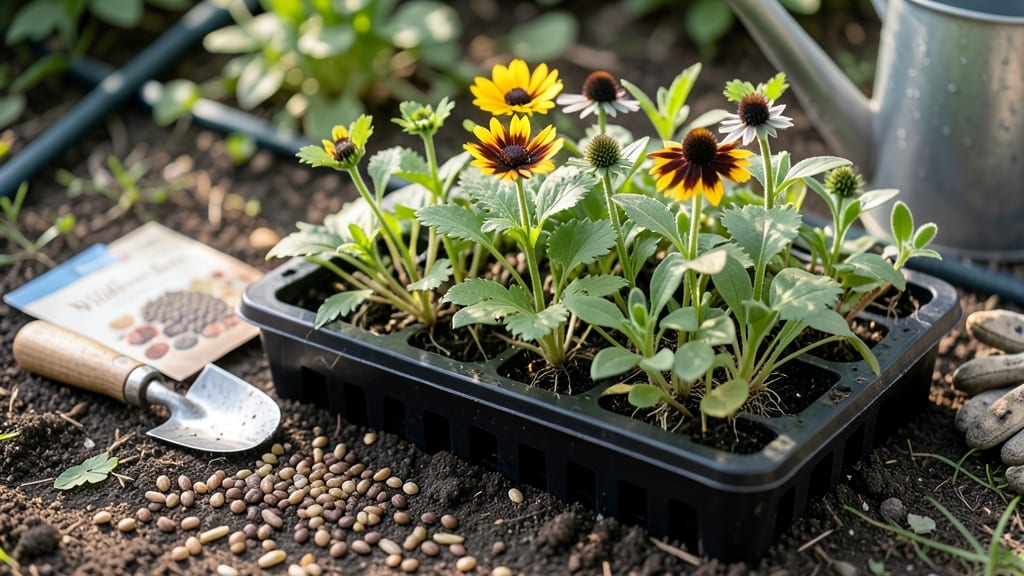
Planting wildflowers at the right time ensures vibrant blooms and thrives in your garden 🌼 — timing can make or break your success.
Timing your wildflower planting can mean the difference between a vibrant meadow and a failed experiment—get the deadlines wrong, and frost will wipe out your dreams before they bloom.
In USDA Zone 6a, like many temperate regions, the ideal window is spring (March-May) or fall (September-October), when soil temperatures and moisture align perfectly for germination.
Below, I’ll walk you through the exact deadlines by zone, soil prep secrets, and whether seeds or transplants give you the best results—so you can avoid common mistakes and enjoy a flourishing garden.
Wildflower planting deadlines by USDA climate zones (with frost risk maps)
Getting your wildflower planting timing right means the difference between a vibrant pollinator haven and a wasted seed packet. Frost is the silent killer of young seedlings, and even hardy perennials can struggle if planted at the wrong time.
The key? Understanding your USDA climate zone and local frost dates. Let's break down the optimal planting windows for zones 3 through 10, including early-spring vs. fall planting strategies that work for both annuals and perennials.
Most gardeners focus on spring planting, but fall sowing often yields better results—especially for cool-season wildflowers. The secret lies in planting 6-8 weeks before your first frost to allow seeds to germinate and establish roots before winter sets in.
In warmer zones like 9-10, you might even get two planting seasons per year, while colder zones (3-5) require more precise timing to avoid frost damage.
Pro Tip: Use the USDA Plant Hardiness Zone Map to find your zone, then check your average first/last frost dates (available via NOAA or local cooperative extension offices). For example, Zone 5 gardeners should aim for late April to mid-May for spring planting, while Zone 8 can extend their window until early November.
For annual wildflowers, spring planting is your best bet in cooler zones (3-6). These varieties—like cosmos, bachelor's buttons, and sunflowers—germinate quickly in warm soil (60-70°F) and bloom fast, often within 6-8 weeks.
Plant them 2-3 weeks after your last frost date to avoid cold soil, which can delay germination by weeks.
Meanwhile, perennial wildflowers like cone flowers and goldenrod thrive with fall planting. Sow seeds in late summer so they establish roots before winter, then burst into bloom the following spring. This method also helps reduce weeds and ensures a longer bloom season.
If you're in Zone 9 or 10, you can plant wildflowers year-round, but focus on early spring for cool-season varieties and fall for warm-season types. For example, Mexican sunflowers and lantana love the heat and will self-seed if planted before September.
One common mistake? Planting too early in spring when soil is still cold and wet. This leads to rot or
How to time wildflower seed germination for maximum blooms (soil temp rules)
Wildflower seeds need the right soil temperature to germinate—too cold, and they’ll sit dormant; too hot, and they may fail entirely. The ideal germination window is between 40°F and 65°F, where most wildflower species spring to life.
Missing this range can slash your bloom cycle by 50% or more, leaving you with sparse or delayed flowers. Understanding these soil temp rules is key to unlocking a vibrant meadow.
Regional climates complicate things: desert areas may hit germination temps earlier in spring, while humid zones might need fall planting to avoid summer heat stress. For example, black-eyed Susans thrive when soil reaches 50°F, while cosmos seeds prefer 60°F+.
Testing your soil’s readiness with a simple soil thermometer (or even your elbow—cold soil feels like a fridge door) ensures you plant at the perfect moment.
Planting too early risks frost damage to tender seedlings, while late planting delays blooms until late summer—just as heat and drought peak. For example, spring-planted wildflowers in Zone 7 should germinate by April 15 to avoid late frosts, while fall plantings need to establish roots before October 1.
A simple trick: cover seeds lightly with mulch to retain warmth, especially in cooler microclimates like shaded gardens.
Desert regions (like Zone 9–10) often see earlier germination due to rapid soil warming. Here, aim for late winter (February) plantings to beat summer heat. Meanwhile, humid climates (e.g., Zone 6–7) benefit from fall sowings, where cooler temps and moisture encourage steady growth.
Always check your local frost dates—a 30-day buffer before the first frost is a safe rule for fall plantings.
Pro tip: Stratify seeds (mimic winter cold) for perennials like black-eyed Susans by mixing them with damp sand and refrigerating for 4–6 weeks before planting. This tricks seeds into thinking winter’s passed, jumpstarting germination.
For annuals, a quick soak in warm water for 24 hours can speed up the process, especially in dry climates where seeds might otherwise lie dormant.
Remember, consistency is key. Monitor soil temps daily with a $10 thermometer (available at garden centers) or use the "elbow test": if the soil feels cold to the touch, wait. Once temps hit your target range, scatter seeds thinly—overcrowding leads to weak stems and fewer blooms.
With the right soil temperature timing, your wildflowers will reward you with bold, early blooms and a meadow that thrives for years.