
Vegetables
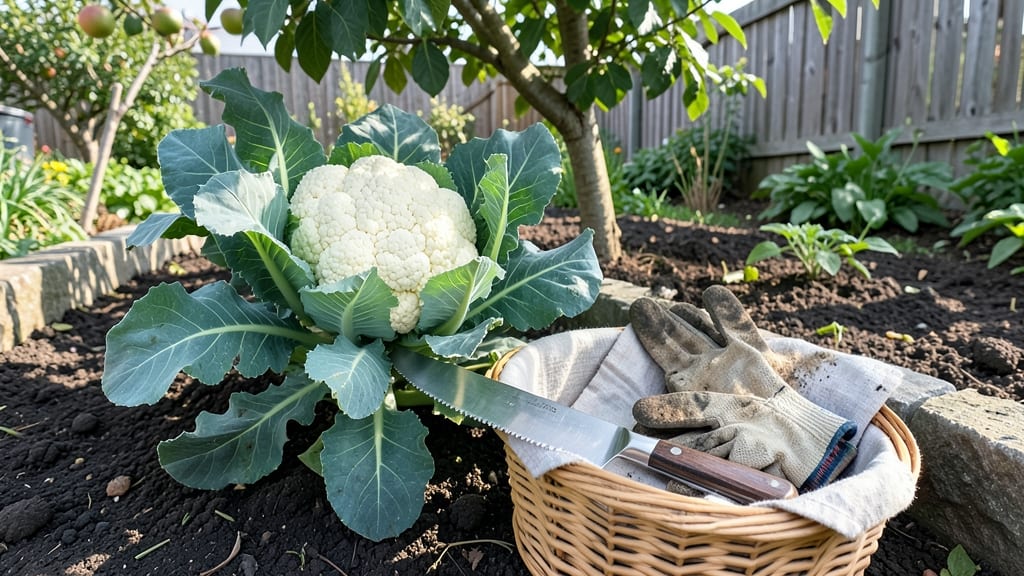
Cauliflower is ready to be picked when its head reaches 6-8 inches and the curds feel firm to the touch 🥬 — timing this perfectly means the difference between a tender, flavorful harvest and a bitter, overripe mess.
Picture this: you’ve nurtured your cauliflower for weeks, watching it grow from a tiny seedling to a lush plant, only to hesitate at the last moment.
Will it be ready tomorrow? Too late today? The truth is, missing the window by even a day can turn your hard work into disappointment.
Here’s the key: look for tightly packed curds, a head that’s fully formed but hasn’t started to open, and outer leaves that are just beginning to yellow. These visual cues tell you the plant is at its peak, ready to be harvested before it bolts or attracts pests.
In this guide, I’ll walk you through every step—how to check for readiness, the best time of day to pick, and even how to cut the head without damaging the plant so you can enjoy a second harvest from the same plant.


How to identify cauliflower readiness using visual cues
Knowing when is cauliflower ready to be picked can mean the difference between a tender, flavorful head and one that's tough or bitter. The key lies in watching for three primary visual cues: head size, color, and leaf condition.
Each of these signals tells you whether your cauliflower is approaching peak maturity—or if it still needs time to develop.
First, focus on the head size, which should reach 6 to 8 inches in diameter for most varieties. Smaller heads (under 5 inches) are usually still growing, while larger ones may have passed their prime.
The curds should feel firm when gently pressed—this indicates they’ve reached the ideal moisture balance for harvesting.
Color is another critical indicator. A fully mature cauliflower head should be pure white, cream, or the variety-specific shade (like purple for Romanesco). If the curds start turning yellowish or brown, the head has overmatured and will become woody or bitter. Pay close attention to the outer leaves, which often yellow first as the plant directs energy to the head.
Don’t overlook the leaf wrapping around the head. Healthy leaves should tightly encase the curds without browning or wilting. If the leaves begin to yellow and die back, it’s a sign the head is nearing harvest.
However, if the leaves turn brown or crispy before the head is fully formed, your plant may be stressed from heat, drought, or pest damage.
| Indicator | Ready for Harvest | Not Ready | Overripe Signs |
|---|---|---|---|
| Head Size | 6–8 inches diameter | Under 5 inches | Over 8 inches, loose curds |
| Color | Pure white/cream | Green or patchy | Yellow/brown |
| Leaf Condition | Tightly wrapped, slight yellowing | Fully green, healthy | Brown/crispy, dying back |
| Curds Texture | Firm, compact | Soft, loose | Woody, bitter |
| Days After Planting | 70–100 days | Under 60 days | Over 100 days |
A common mistake gardeners make is waiting too long to harvest, assuming bigger is better. However, once the head starts to open and expose the curds, it’s already past its prime.
The ideal moment is when the head is fully formed but still tightly closed, with just a hint of yellowing in the outer leaves. This ensures the best texture and flavor.
For purple or orange varieties, the color may deepen as the head matures, but the same rules apply.
Check the firmness of the curds—if they feel spongy or hollow when pressed, the head has overmatured. Harvest immediately to avoid attracting pests like cabbage moths, which target stressed or dying plants.
If you’re growing multiple cauliflower varieties, note that some (like Romanesco) take longer to mature than others. Always refer to the seed packet for variety-specific days to maturity, but visual cues remain your best guide.
For example, dwarf varieties may reach harvest size in 60–70 days, while standard types take 80–100 days.
One pro tip: Harvest in the morning when temperatures are cooler. This reduces stress on the plant and ensures the head stays fresh and crisp.
Use a sharp knife to cut the stem about 1 inch below the head, leaving the outer leaves intact to protect any side shoots that may form for a second harvest.
Finally, if your cauliflower heads start to split or show signs of pest damage, act quickly. Split heads are often a sign of uneven watering or rapid growth, while pests like aphids or caterpillars can stunt maturity.
Address these issues promptly to salvage your crop or plan for a second planting in late summer for a fall harvest.
Best practices for harvesting cauliflower without damaging the plant
Harvesting cauliflower at the right time ensures tender, flavorful heads while keeping your plant productive. The key is timing your cut correctly—too early means small, underdeveloped heads, while waiting too long results in loose, bitter curds.
I’ve learned that a sharp knife and a little patience make all the difference in preserving both the plant and your harvest.
First, always harvest on a cool, dry morning. This reduces stress on the plant and gives you the best conditions for cutting. Avoid harvesting in the evening or after rain, as damp leaves can increase the risk of rot or disease.
I’ve found that morning harvests also yield firmer heads, ready to enjoy or store immediately.
When you’re ready to harvest, use a clean, sharp knife or pruning shears. Cut the stem about 1-2 inches below the head at a slight angle. This technique prevents water from pooling on the cut surface, which could lead to rot.
I always sanitize my tools with rubbing alcohol before cutting to avoid spreading any potential pathogens.
🌱 When Is Cauliflower Ready to Be Picked?
Size: 6-8 inches in diameter
Color: Pure white or variety-specific shade (e.g., purple, orange)
Curds: Firm and tightly closed
Leaves: Outer leaves begin yellowing
Timing: 70-100 days after planting (varies by variety)
After cutting, leave the central stem intact if you want to harvest additional side shoots. Cauliflower plants often produce smaller secondary heads after the main harvest, especially if you provide consistent care.
I’ve seen my plants yield 2-3 smaller heads after the primary harvest, so it’s worth keeping the plant healthy!
Once harvested, store your cauliflower in the refrigerator for up to 5-7 days if you plan to use it fresh. For longer storage, blanch and freeze the heads. To blanch, boil for 3 minutes, then immediately plunge into ice water before freezing.
This preserves texture and flavor for months. I always blanch a batch right after harvest to enjoy cauliflower year-round.
Finally, don’t forget to water and fertilize the remaining plant lightly after harvest. This encourages new growth and side shoots. Use a balanced fertilizer (like 10-10-10) sparingly to avoid overstimulating the plant too close to winter.
With proper care, your cauliflower plant can keep producing for weeks after the main harvest!