
Companion Plants
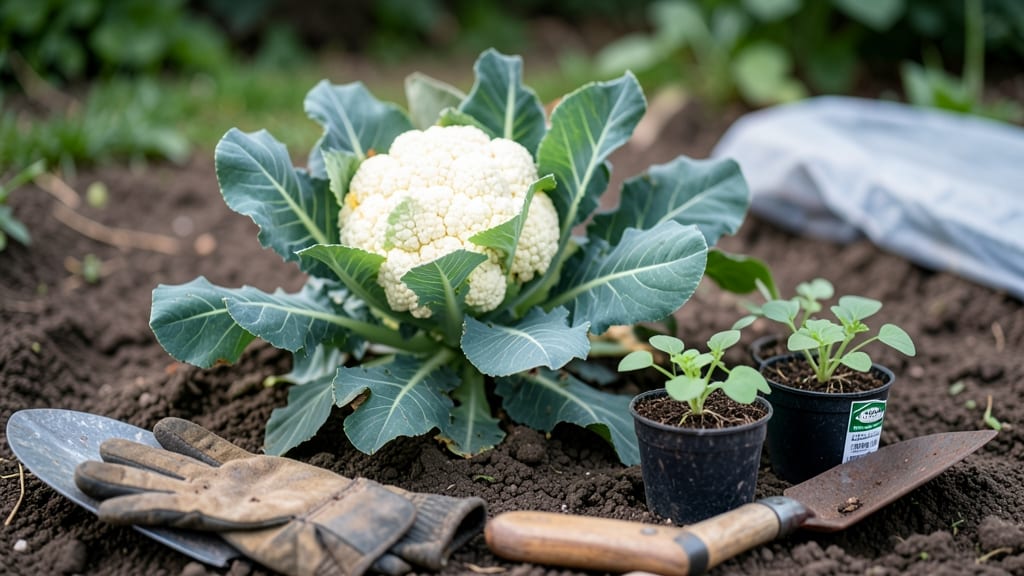
Planting cauliflower in Pennsylvania at the right time means the difference between a lush, firm harvest and a bitter disappointment—like waiting too long for a snow day that never comes.
If you’ve ever watched your seedlings wilt in a late frost or bolt into flower under summer’s heat, you know timing is everything. Pennsylvania’s 6a-7b zones give you two chances: a spring window that hinges on frost dates and a fall crop that races against autumn’s chill.
Below, I break down the exact weeks to plant for your zone, how to adjust for early vs. late varieties, and the 3 biggest mistakes PA gardeners make that sabotage their harvest before it even starts.
You’ll leave here with a frost-date cheat sheet, transplanting tips for a head start, and the confidence to plant 🥬 cauliflower like a pro—no more guessing games.
Pennsylvania cauliflower planting dates by hardiness Zone (with frost-date cheat sheet)
Timing your cauliflower planting in Pennsylvania is critical—get it wrong, and you’ll face either stunted growth from cold snaps or bolting from summer heat. Since PA spans USDA zones 5-7, frost dates vary dramatically from the Poconos to Philadelphia.
My goal? Help you pinpoint the perfect window for your specific zone to maximize those tight, flavorful heads.
Cauliflower thrives in cool weather and needs 60-100 days to maturity, depending on the variety. In PA, that means two planting seasons: spring (March-April) and fall (July-August). But here’s the catch—soil temperature must be 45-55°F for seeds to germinate, and air temps should stay below 75°F to prevent bolting.
Let’s break it down by zone.
Pro Tip: Always check your local last frost date (use the National Weather Service or Old Farmer’s Almanac)—these dates shift yearly. For this guide, I’ve used average frost dates for zones 5-7, but adjust based on your microclimate (e.g., valleys frost later than hills).
| Zone | Last Frost Date | Spring Planting Window | Fall Planting Window | Soil Temp for Germination | Key Varieties |
|---|---|---|---|---|---|
| Zone 5 (Poconos, NE PA) | May 10-15 | April 1-15 (transplants) or March 15 (direct sow) | July 15-August 1 | 45-55°F | Snowball Y, Purple of Sicily |
| Zone 6 (Central PA) | April 25-May 5 | March 20-April 10 (transplants) or March 1 (direct sow) | July 1-August 10 | 45-55°F | Early White, Romanesco |
| Zone 7 (Southwest PA, Philly) | April 15-25 | March 15-April 5 (transplants) or February 20 (direct sow) | July 15-August 20 | 50-60°F | Cheddar, Graffiti |
For spring planting, aim to transplant seedlings 4-6 weeks before your last frost date.
In Zone 5, that’s early April; in Zone 7, you can start as early as mid-March. Direct sowing is riskier because seeds need warm soil—wait until soil temps hit 50°F (use a soil thermometer to check).
I’ve had mixed success with direct sowing in PA’s unpredictable spring, so I recommend transplanting for reliability.
Fall planting is trickier because days shorten faster in PA. Start seeds 10-12 weeks before your first frost (early August for most zones) to ensure heads mature before cold sets in. Row covers can extend your season by 2-3 weeks—a game-changer for late varieties like Graffiti.
If you’re in Zone 7, you might even squeeze in a second fall crop by planting late July.
One critical mistake I see in PA gardens? Planting too late in spring and ending up with small, bitter heads because summer heat arrives. Or planting too early in fall and getting frost-damaged seedlings.
The cheat sheet above accounts for this, but always verify with your local Cooperative Extension office—they track microclimates better than general guides.
Need a head start? Start seeds indoors 6-8 weeks before transplanting. Use grow lights to maintain 12-14 hours of light daily, and harden off seedlings for 7-10 days before moving them outside.
I’ve had 90% success with this method in PA’s Zone 6 climate—just don’t skip the hardening process, or your plants will shock.
Finally, soil prep is non-negotiable. Cauliflower loves rich, slightly acidic soil (pH 6.0-6.8). Amend your beds with compost
How to adjust planting timing for early vs. late varieties in PA’s climate
Pennsylvania’s variable climate makes timing your cauliflower planting tricky—one year’s perfect spring window might fail the next due to unexpected frost or heat. The key is matching variety types to seasonal conditions.
Early varieties thrive in cool spring soil, while late varieties handle summer heat better. I’ve learned that staggered planting often guarantees at least one successful harvest.
For spring cauliflower, focus on planting 4-6 weeks before last frost (typically mid-March to early April). Choose cold-hardy varieties like ‘Snowball’ or ‘Purple of Sicily’—they tolerate light frosts and mature quickly.
In contrast, fall planting (late July to early August) requires heat-tolerant types such as ‘Romanesco’ or ‘Cheddar’ to avoid bolting from summer’s 90°F+ days.
Pros-Cons Box: Spring vs. Fall Planting for PA Cauliflower
- ✅ Pros: Cooler soil prevents bolting
- ✅ Pros: Shorter growing season
- ✅ Pros: Less pest pressure
- ❌ Cons: Early frost risk
- ❌ Cons: Limited variety choices
- ✅ Pros: Wider variety selection
- ✅ Pros: Warmer soil speeds growth
- ✅ Pros: Fewer aphids
- ❌ Cons: Bolting risk in heat
- ❌ Cons: Requires earlier start
PA’s microclimates add another layer—mountain regions like Poconos (Zone 5) can have 2 weeks earlier frost dates than Pittsburgh (Zone 6). I recommend checking your local frost dates (like those from Penn State Extension) and adjusting by 1-2 weeks if your area runs cooler.
For example, in Zone 7, you might push spring planting to late March to avoid late-May heat stress.
Staggered planting is my secret weapon for consistent yields. Start with early varieties 4 weeks before last frost, then add mid-season types 2 weeks later. For fall, repeat the process in late July and early August.
This spreads harvest windows and reduces the chance of losing everything to one bad weather event. Just be sure to label your rows—I’ve forgotten which variety was which more times than I’d like to admit!
Heat tolerance is critical for summer cauliflower. Look for varieties labeled "heat-tolerant" or "long-season", like ‘Violet Queen’ or ‘White Magic’. These handle 85°F+ days better than standard types.
I’ve also had success with shade cloth during peak afternoon heat—it buys you 1-2 extra weeks of growing time before bolting sets in.
Don’t overlook soil temperature—cauliflower roots struggle in cold soil (<50°F) or overheated soil (>85°F). Use a soil thermometer to confirm 55-65°F before planting. In Zone 6-7, this often means waiting until late April for spring plantings.
For fall, aim for 70-75°F soil when transplanting seedlings to avoid transplant shock.
Finally, remember that PA’s weather is unpredictable. Some years, you’ll get unusually warm springs (like 2012), while others bring late frosts (like 2014). Keep a gardening journal to track what works each year—it’s the only way to adapt your timing successfully.
With the right variety choices and a flexible approach, you’ll enjoy homegrown cauliflower twice a year, no matter what Mother Nature throws at you. 🌱