
Flowers
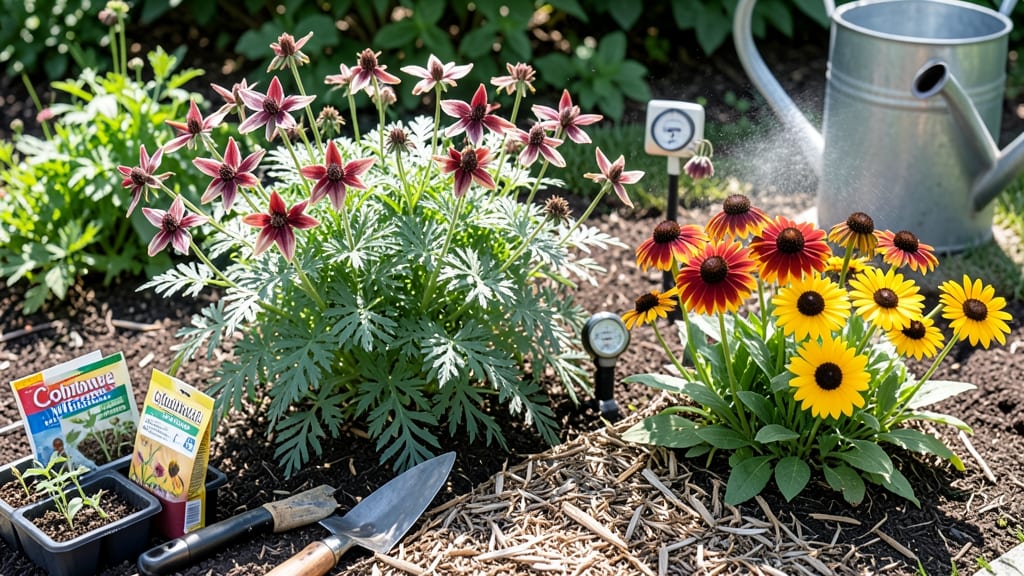
Planting flowers in Colorado at the right time means the difference between a vibrant summer garden and a sad, frost-nipped disappointment.
Colorado’s dramatic elevation shifts mean your flower planting timeline could differ by hundreds of days—getting it wrong risks frost damage or stunted blooms. Here’s the exact schedule for planting annuals, perennials, and bulbs across Front Range, Western Slope, and High Plains zones.
Most Colorado gardeners aim for late April to mid-June after the last frost, but microclimates matter. A Denver yard might be ready by May 1, while a high-altitude Boulder garden could still be too cold in June.
We’ll break down the ideal planting windows for your specific elevation, plus how to adjust for late springs or early frosts.
You’ll also discover the best flowers for each zone—whether you’re growing hardy coneflowers in the Front Range or drought-tolerant marigolds on the Western Slope—and how to prep your soil for success.
Colorado flower planting deadlines by elevation zone (2024 guide)
Colorado’s diverse elevation zones create unique planting challenges. The Front Range (5,000–7,000 ft) has a longer growing season than the Western Slope (4,000–6,000 ft) or High Plains (4,000–6,500 ft). Missing your zone’s last frost date can mean frost-killed seedlings, while planting too early risks stunted growth.
Let’s break down the exact timelines for your elevation—plus how to adjust for urban heat islands or rural cold pockets.
For annual flowers, timing is critical—most need to be in the ground 2–4 weeks after your area’s last frost. Perennials and bulbs, however, have different rules: perennials can go in spring or fall, while bulbs often need cool fall soil to establish roots.
Below, I’ve mapped out the 2024 planting windows for Colorado’s three major zones, including adjustments for microclimates like Denver’s urban heat or Grand Junction’s desert-like conditions.
Pro Tip: Use frost-free date averages as guides, but check your local CoCoRaHS weather station for real-time updates. A late spring (like 2020) can push planting back by 3–4 weeks—so stay flexible!
Notice how the Western Slope can plant annuals 2–3 weeks earlier than the Front Range? That’s because lower elevations warm faster, but they also have hotter summers, so choose heat-tolerant varieties like zinnias or lantana.
Meanwhile, the High Plains often have drier soils, so amend with compost to retain moisture for seedlings.
For perennials, fall planting is ideal in most zones because cool soil encourages root growth before winter. Bulbs, like daffodils or tulips, need to be in the ground 6–8 weeks before the first frost—so don’t wait until October 1 if your zone freezes earlier.
In Denver (Front Range), that means planting bulbs by September 15; in Grand Junction (Western Slope), you’ve got until October 1.
Urban gardeners in Denver or Colorado Springs often face microclimate challenges. Concrete and buildings create heat islands, pushing last frost dates 3–5 days later than rural areas. Use a soil thermometer to confirm soil temps are above 50°F (10°C) before planting heat-sensitive flowers like petunias or impatiens.
In rural areas, a frost cloth can buy you an extra 2 weeks of growing time in spring.
If you’re planting cool-season flowers like pansies or calendula, you can start seeds indoors 8–10 weeks before your last frost date. For the Front Range, that’s February 1–15; for the Western S
How to adjust planting times for Colorado’s unpredictable weather
Colorado’s short growing season and unpredictable frost dates can turn even the most eager gardener into a second-guesser. One year’s late April thaw becomes next year’s May snowstorm, leaving your tender annuals at risk.
The key? Flexible planting strategies that account for soil temperature, microclimates, and hardy flower varieties that bounce back from setbacks.
I’ve learned the hard way—skipping soil tests or ignoring elevation shifts can mean wilted petunias by July or frost-nipped marigolds in September. But with a few season-extending hacks and frost-proof flowers, you can turn Colorado’s quirks into advantages.
Let’s break down how to time your plantings like a pro, even when Mother Nature throws curveballs.
⚠️ callout-warning ⚠️
For soil warming, I swear by black plastic mulch or clear plastic tunnels over seed beds. These can raise soil temps by 10-15°F in just days, giving tomatoes or marigolds a head start.
Pro tip: Combine with row covers for a double protection system—plant 2 weeks earlier than your zone’s last frost date, then cover until danger of frost passes.
When early frosts threaten, frost cloth isn’t your only option. Try bubble wrap (yes, really!) or even old bedsheets draped over tender perennials like lavender or Russian sage. These work surprisingly well and cost pennies.
For container gardens, move pots to sheltered spots like against south-facing walls or under eaves—a 10°F buffer can mean the difference between surviving and shivering.
Not all flowers are created equal when it comes to Colorado’s short season. Hardy annuals like cosmos, zinnias, and sunflowers self-sow and rebound from frost. Perennials such as cone flowers and black-eyed Susans store energy underground, while bulbs like daffodils and tulips push through snow.
These tough guys let you plant later or harvest longer—critical when your last frost arrives in October.
My go-to strategy? Stagger planting in 3-week intervals. Start with cold-hardy varieties like pansies or snapdragons in April, then add heat-lovers like portulaca or lantana in June.
This ensures continuous blooms from May through September, even if June brings a surprise frost. Plus, it’s easier to troubleshoot when you’re not betting everything on one planting date.
Remember: Colorado’s microclimates can vary by just a few blocks. A south-facing slope might be 2 weeks ahead of a north-facing yard. Test your spot with paper towel seeds (like radishes) in March—if they sprout in 10 days, your soil’s ready for cool-season flowers.