
Flowers
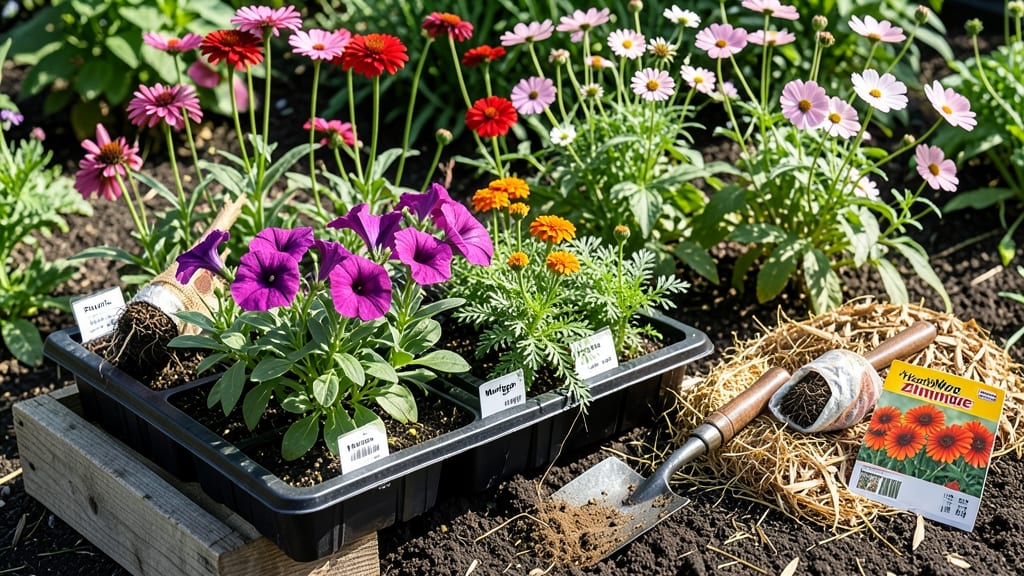
To plant flowers in Maryland at the perfect time means catching the window between last frost and summer’s sweltering heat—late March through early May for cool-season blooms, and August to early September for fall favorites.
Maryland’s unpredictable spring frost can turn your dream garden into a sad, frozen wasteland—but timing your flower planting just right ensures vibrant blooms all season long. Here’s the exact schedule you need to follow for zero-frost success, tailored to Maryland’s unique growing zones.
Whether you’re sowing hardy pansies in Zone 7a or heat-loving zinnias in Zone 7b, the key is planting when soil temps hit 60°F and frost risk drops below 10%. Miss that window, and you’ll end up with leggy seedlings or wilted blooms before they even open.
Below, I break down the month-by-month timeline for annuals, perennials, and bulbs—plus pro tips for extending your season with row covers and frost-tolerant picks that thrive in Maryland’s short but sweet growing windows.
Maryland flower planting timeline by hardiness zones (5b, 6a, 7a)
Maryland’s USDA zones 5b, 6a, and 7a create distinct planting windows—coastal areas (like Baltimore) often experience earlier springs than inland Frederick or Hagerstown. Your last frost date can vary by 2-3 weeks, so knowing your zone is critical for zero-frost success.
Let’s break down the exact month-by-month schedule for annuals, perennials, and bulbs.
For Zone 5b (northwest MD), expect last frost around April 15—plant cool-season flowers like pansies and snapdragons 4-6 weeks before.
In Zone 6a (central MD), your window opens 2 weeks earlier, while Zone 7a (southern MD) can start as early as March 15 for hardy annuals. Heat-lovers like zinnias should wait until after May 15 in all zones to avoid wilting in summer heat.
🌱
For coastal areas (e.g., Annapolis), adjust your spring planting by 1–2 weeks earlier due to milder microclimates. Inland zones like Cumberland may need to wait until May 1 for heat-sensitive annuals like basil or coleus.
Always check your local frost dates—the National Weather Service provides hyperlocal alerts.
If you’re starting seeds indoors, begin cool-season varieties 6–8 weeks before your last frost. For Zone 5b, that’s early March; for Zone 7a, late February. Use seedling heat mats to speed germination for
How to extend your Maryland flower season (and avoid frost damage)
Maryland’s late spring frosts and early fall chills can cut your flower season short—but with the right strategies, you can push blooms into June and October. The key is combining frost-tolerant varieties with protective techniques like row covers and strategic planting timelines.
For example, pansies and snapdragons can handle 28°F temperatures, while cosmos and zinnias thrive in warm September soil.
Start by extending your spring window with cold frames or cloches for tender annuals like petunias. In fall, succession planting every 3 weeks keeps blooms coming until frost.
My go-to method is planting heat-loving annuals in early August—they’ll bloom just as summer cools. Native black-eyed Susans and coneflowers are perfect for this approach.
⚠️ callout warning ⚠️
❄️ Frost Risk Assessment for Late Plantings
Maryland’s last spring frost averages April 15, but coastal areas (like Annapolis) can be 2 weeks earlier. For fall plantings, the first frost hits October 15 inland, but October 25 near the coast. Use this chart to gauge risk:
| Planting Window | Frost Risk | Recommended Flowers |
|---|---|---|
| Late April–Early May | Moderate (coastal: low) | Pansies, Violas, Sweet Alyssum |
| Early–Mid June | Low | Zinnias, Cosmos, Marigolds |
| Early August | None (until late Sept.) | Sunflowers, Dahlia, Snapdragons |
| Early September | High (coastal: moderate) | Pansies, Stock, Calendula |
Pro Tip: Use frost cloth to push late plantings 2 weeks later—just remove it by 10 AM on sunny days to avoid overheating.
For succession planting, I recommend a 3-week rotation of fast-blooming annuals like bachelor’s buttons or nasturtiums. Start your first batch in mid-May, then repeat every 21 days until July 15.
This ensures continuous color without gaps. Pair these with perennial workhorses like bee balm, which self-seeds reliably and blooms from June to September.
Don’t overlook row covers—they’re my secret weapon for early spring and late fall plantings. A floating row cover can protect tender seedlings down to 20°F, letting you plant cosmos seeds in early April or marigolds in late August.
Just secure edges with bricks or soil to prevent wind damage. I’ve extended my zinnias’ season by 3 weeks using this method!
Choose late-blooming varieties like ‘Autumn Joy’ sedum or ‘October Skies’ asters—these thrive when most gardens fade. Pair them with hardy mums, which bloom until hard frosts hit. For cooler microclimates (like mountain areas), opt for Alpine flowers such as cushion phlox, which handle light frosts beautifully.
Finally, mulch heavily in fall to insulate roots—straw or shredded leaves add 5–10°F of protection. This simple step can keep perennials like coneflowers blooming until November in mild years. Combine these tricks, and you’ll enjoy vibrant flowers from April to October—no frost damage in sight! 🌸