
Flowers
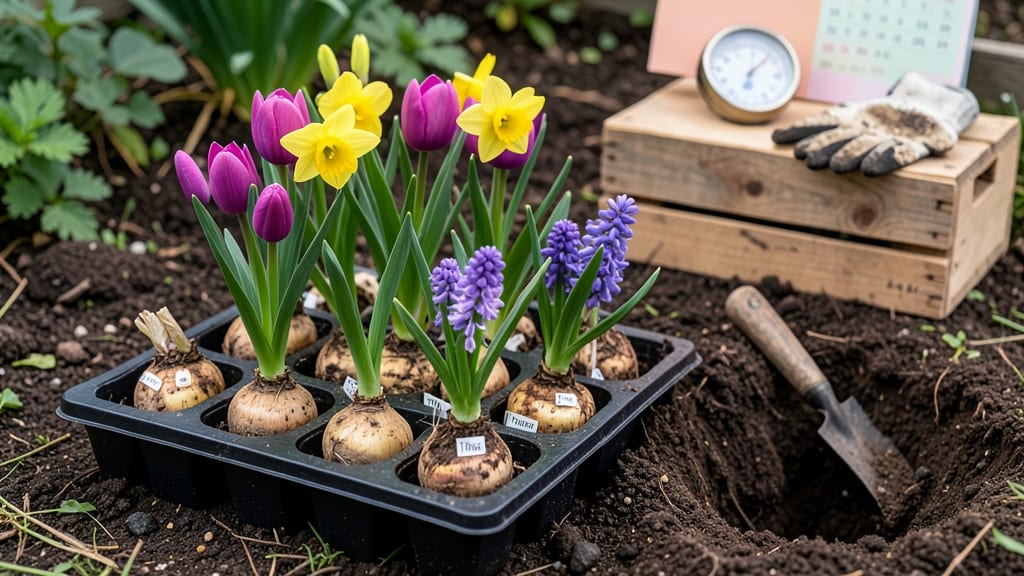
Planting flowers in the spring at the right time ensures vibrant blooms and avoids frost damage—so timing matters more than you might think.
Picture this: you’ve spent weeks preparing your garden beds, only to watch delicate seedlings turn to mush overnight because you planted too early. Or worse, you wait too long and miss the ideal window for your favorite annuals.
The difference between a thriving garden and a frost-killed disappointment often comes down to knowing exactly when to plant in your zone.
This guide cuts through the guesswork with a zone-by-zone, week-by-week schedule tailored to your USDA hardiness zone. Whether you’re sowing seeds for tulips or transplanting marigolds, we’ll cover frost dates, soil temperatures, and microclimates so your flowers get off to the best start.
No more second-guessing—just science-backed timing for a garden that pops with color.
Ready to transform your spring planting from a gamble into a guaranteed success? Let’s dive into the exact weeks to plant for zero frost risk and maximum blooms.
Spring flower planting schedule by USDA hardiness Zones (with frost risk dates)
Spring planting success starts with understanding your USDA hardiness zone and local last frost dates. In Zone 3, where winters are harsh, you’ll need to start seeds indoors by February 15, while Zone 10 gardeners can direct-sow in January.
The key is matching your flower hardiness with your zone’s frost risk—planting too early in Zone 4? Your petunias could turn to mush overnight. This schedule aligns popular flowers with week-by-week planting windows to maximize blooms and minimize frost damage.
For annuals like marigolds, sow seeds 2-4 weeks before your last frost date—but perennials such as peonies need a head start in Zone 5 or colder. Bulbs like tulips should go in the ground 6-8 weeks before frost in Zones 3-7.
Use this table to pinpoint the ideal planting week for your zone, plus frost risk percentages to gauge safety.
In Zones 3-5, where frost lingers until mid-May, prioritize cold-hardy flowers like lavender and peonies. These perennials can handle 20°F temps, but their seeds need a 60-day head start indoors.
For annuals like marigolds, wait until after the last frost—planting too early risks root rot from cold, wet soil. Pro tip: Use a soil thermometer to confirm 50°F+ soil temps before transplanting.
For Zones 6-8, where last frosts occur April 1–May 1, you’ve got flexibility. Direct-sow seeds like cosmos in early March for early blooms, or wait until April 15 to transplant petunias.
In Zone 7, I’ve had zinnias bloom by June 1 when sown in late March—but a late frost in Zone 6 can delay blooms by 3 weeks. Always check your local frost history for adjustments.
Southern gardeners in Zones 9-10 can plant year-round, but aim for January–February to beat summer heat. Impatiens and geraniums thrive in these zones, but avoid planting in high heat—seedlings may bolt (flower too early).
Instead, opt for shade-tolerant annuals like begonias in late spring for a second flush of color.
Need a quick reference? Bookmark this schedule and adjust based on your microcl
How to adjust your planting timeline for microclimates and late frosts
Your garden’s microclimate can shift planting windows by 2-4 weeks—even in the same zip code. A sunny south-facing bed might warm up faster than a shady north corner, while urban areas can trap heat, creating a 5°F warmer environment than rural zones.
These variations explain why your neighbor’s pansies bloom weeks ahead of yours, despite using the same seed packet. Understanding your local nuances lets you fine-tune planting dates for zero frost risk.
Start by mapping your garden’s sun exposure zones. Use a soil thermometer to track daily temperatures—50°F (10°C) is the magic threshold for most spring flowers. In Zone 5, this might mean waiting until mid-May for cold-sensitive marigolds, while hardy snapdragons can handle late April plantings.
Elevation also plays a role: gardens at 3,000 feet often experience 10-14 days later last frost dates than valley floors.
⚠️ WARNING: Late Frost Survival Guide ⚠️ Mistake #1: Planting tender annuals (like petunias) too early in Zone 4—even if your average last frost is May 15.
Historical data shows a 30% chance of 28°F frosts in late April. Fix: Use the '10-day rule': Wait until 10 days after your local extension office’s last frost date, or opt for frost-resistant varieties like stock (Matthiola incana), which tolerates 20°F. Mistake #2: Ignoring urban heat islands.
Concrete and pavement can raise soil temps by 10°F, tricking you into planting 2 weeks early. Fix: Monitor your specific spot with a minimum-maximum thermometer for 7 days before planting heat-lovers like lantana. Mistake #3: Skipping planting depth tests.
Seeds buried too deep struggle to surface in cool soils. Fix: Press seeds into soil at 2-3x their width—no deeper. For large seeds (e.g., beans), aim for 1 inch deep; for tiny seeds (e.g., snapdragons), just 1/4 inch.
For high-elevation gardens (above 5,000 feet), extend your indoor starting window by 4-6 weeks. Begin peony and iris divisions in February under grow lights, then transplant outdoors 2 weeks before your adjusted last frost date.
In coastal climates, where fog delays warming, prioritize shade-tolerant flowers like impatiens or coleus for early color.
Pro tip: Use row covers or cloche tunnels to shave 2-3 weeks off your planting timeline. These create a 5-10°F warmer microclimate, letting you plant cold-sensitive flowers like geraniums 3 weeks earlier without frost risk. Just remove covers before buds open to prevent heat stress.
Track your garden’s personal frost history for 3 years to spot patterns. Note the date of the last light frost (temps 32°F) and the date of the first hard freeze (28°F
Share your data with local gardening groups—crowdsourced info often reveals unofficial frost dates more accurate than USDA averages. With these adjustments, your spring flowers will bloom 2-4 weeks earlier than neighbors who plant blindly.