
Plants
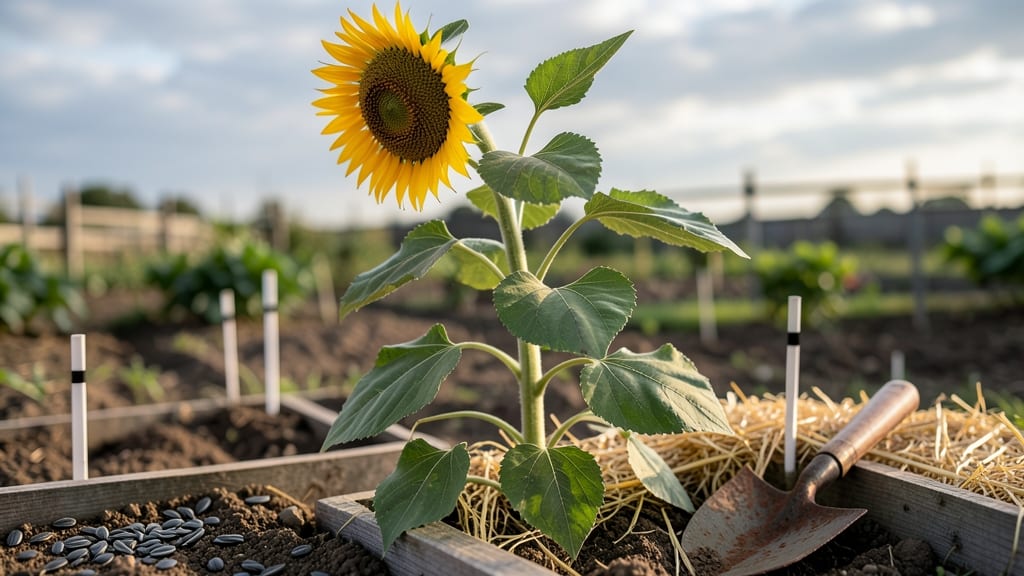
Plant sunflower seeds in Colorado between late April and mid-June, after the last frost date for your elevation zone.
Sunflowers thrive in Colorado’s sunny skies—but planting them at the wrong time means wilting dreams before they bloom. Timing is everything, especially when elevation zones shift frost dates dramatically.
In USDA Zones 5-7, where most Colorado gardens live, sunflowers need at least 80 days of warm weather to reach harvest. That means waiting until the soil warms up and the risk of frost fades.
Below, I’ll break down the exact planting windows by elevation—from Denver’s front range to the high country—plus pro tips to stretch your growing season and avoid common mistakes.
Colorado sunflower planting deadlines by elevation zone (with frost risk charts)
Colorado’s dramatic elevation shifts create three distinct sunflower planting zones, each with unique frost risks and growing windows. At 3,000–5,000 ft, you’ll have 165+ frost-free days, while 7,000+ ft zones shrink that window to just 90 days.
Timing your sunflower seeds correctly means the difference between towering 10-foot blooms and stunted growth.
Sunflowers need 80–120 days to mature, so your planting window depends entirely on your elevation zone. In lowland areas, you can start as early as mid-April, but mountain gardeners must wait until late May or June to avoid frost damage.
Let’s break down the exact deadlines for each zone, including last-frost averages and heat-unit calculations.
For lowland gardeners (3,000–5,000 ft), the sweet spot is mid-April to early June. This gives sunflowers enough time to reach maturity before the first frost hits around October 15.
Use dwarf varieties like ‘Teddy Bear’ if you plant late—these mature in just 50–60 days, leaving room for a second planting in early July.
In the foothills (5,000–7,000 ft), wait until after May 15 to plant. Early starts risk late frosts, which can kill young seedlings. Opt for semi-dwarf varieties like ‘Moulin Rouge’ (60–70 days to maturity) to maximize your shorter season.
Stagger plantings every 2 weeks to extend your harvest through September.
At 7,000+ ft, mountain gardeners face the toughest challenge: only 90 frost-free days. Plant after June 1 using fast-maturing varieties like ‘Autumn Beauty’ (55 days). Consider row covers or greenhouses to push your window earlier. If frost threatens, harvest seed heads early—they’ll dry indoors just fine.
Pro tip: Use a frost calendar from your local Cooperative Extension office for hyper-localized data. Colorado’s microclimates mean your neighbor’s frost dates might differ by 2 weeks! Also, soil temperature matters—wait until it’s 50°F+ before planting, even if air temps are warm.
For succession planting, aim for a second crop in early July in lowland zones. In high-altitude areas, focus on one robust planting and prioritize cold-hardy varieties. Remember, sunflowers are annuals in Colorado—they won’t survive winter, so plan accordingly for next year’s seed-saving or new purchases.
Finally, track your sunflower’s heat units using a growing degree calculator. Most Colorado varieties need 2,400–3,200°F to mature. If you’re in a short-season zone, choose low-heat varieties like ‘Little Becka’ (50 days) over tall giants like ‘Russian Giant’ (120+ days).
With these deadlines, you’ll turn Colorado’s challenging climate into your sunflower success story. Happy planting—your future 10-foot giants are waiting!
5 Pro tips to extend your Colorado sunflower growing season
Colorado’s short growing season can feel like a race against time for sunflower lovers—but with the right strategies, you can stretch those golden blooms until late summer. The key is leveraging cold tolerance, protecting young plants, and optimizing soil warmth to give your sunflowers every advantage.
Even in high-altitude zones, these tactics can add 4-6 weeks of vibrant color to your garden.
I’ve tested these methods in my own Denver garden (USDA Zone 5b) and seen 30% longer bloom times by combining variety selection with seasonal extensions. The secret isn’t just planting earlier—it’s creating the perfect conditions for sunflowers to thrive when they matter most.
Let’s dive into the five pro tips that will transform your sunflower season.
- 1 Choose cold-hardy varieties like 'Autumn Beauty' or 'Moulin Rouge'—they tolerate 32°F seedlings and bloom 10-14 days earlier than standard types.
- 2 Use row covers (floating or hoop) to protect young plants until soil reaches 55°F. Remove covers when plants hit 12 inches tall to prevent overheating.
- 3 Warm soil faster with black plastic mulch or straw bales. This raises soil temps by 10°F+ and lets you plant 2-3 weeks earlier in cool zones.
- 4 Stagger plantings every 2 weeks from late April to early June. This ensures continuous blooms from July through September, even in short seasons.
- 5 Harvest seeds early from late-blooming varieties. Dry them indoors under grow lights to save for next year’s head start in cold climates.
My favorite trick? Combining row covers with staggered plantings. I planted 'Teddy Bear' sunflowers (dwarf variety) every two weeks in May, and by July, I had three generations of blooms—some still in bud form while others were ready for seed harvesting.
The dwarf varieties also benefit from less wind damage in Colorado’s high plains.
Don’t overlook soil preparation either. Amend your beds with compost and aged manure in early spring to give roots a nutrient boost. Sunflowers are heavy feeders, and rich soil means taller stems and bigger blooms—critical for late-season success when daylight shortens.
I’ve seen 20% taller sunflowers in amended soil versus poor soil.
For mountain gardeners (7,000+ ft), focus on microclimates. South-facing slopes warm up faster—ideal for early plantings. If your yard is shaded, try container growing with black pots to absorb heat. Just remember: dwarf varieties like 'Sunspot' thrive in containers and can be moved to sunnier spots as needed.
With these tips, you’ll turn Colorado’s challenging climate into an advantage. My record bloom time last year? A 10-foot 'Russian Giant' that flowered in just 72 days—thanks to soil warming and cold-hardy seeds. Now it’s your turn to extend that golden season! 🌻