
Flowers
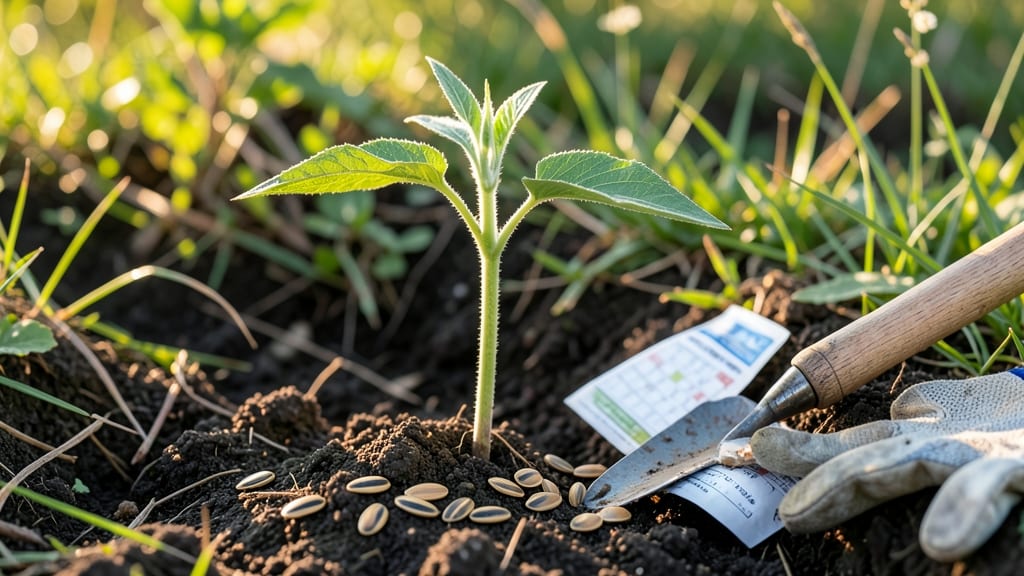
Planting sunflowers in Central Texas after the last frost date—around mid-March—ensures they soak up the 240 frost-free days of summer to reach their towering heights.
Sunflowers thrive under Central Texas’ blazing sun—but planting them too early or late can mean wilted dreams instead of towering blooms. Timing is everything for these heat-loving giants, and missing the frost-free window could cost you months of growth.
If you’ve ever watched a sunflower 🌻 struggle through a late frost or bolt in the heat, you know how critical the right window is.
The key is planting when soil temperatures hit 50°F and the air stays reliably warm, usually by late February in rural areas or early April in urban heat islands like Austin.
Below, I break down the exact frost-free timeline for your county, the heat-tolerant varieties that perform best in 90°F+ summers, and the simple soil prep that keeps your sunflowers standing tall until harvest.
Central Texas sunflower planting timeline: frost-free dates and heat zones
Central Texas' sunflower planting season hinges on two critical windows: early spring (after last frost) and late summer (for fall blooms). With USDA Zone 8a-9a temperatures, your timing must account for urban heat islands (like Austin) that warm faster than rural areas (like Waco).
Missing these windows means stunted growth or missed blooms—so let's pinpoint the exact dates for your county.
Most Central Texas regions experience their average last frost between February 15 and March 15, but urban areas like San Antonio often see frost-free conditions 1-2 weeks earlier than rural Llano County.
Rural areas may face delayed planting due to soil temperature lingering below 50°F, while city gardens can plant sooner thanks to concrete heat retention.
Key planting windows: March 1–April 30 (spring) and August 1–September 15 (fall). Spring plantings yield summer blooms, while fall plantings produce autumn beauty varieties that thrive before first frost (November 15). Always check your local agricultural extension service for microclimate adjustments.
For urban gardeners, leverage the heat island effect by planting 2-3 weeks earlier than rural guidelines. Test soil temperature with a soil thermometer—sunflowers won't germinate below 50°F. In drought-prone areas, opt for drought-tolerant varieties like 'ProCut' and plant in raised beds to retain moisture.
My late-summer planting trick: Sow seeds in August for fall blooms that last until first frost. Choose short-day varieties like 'Autumn Beauty' to ensure they mature before November 15. Always use black plastic mulch to warm soil faster in cooler rural areas.
Watch for microclimate variations—even within Austin, elevated areas (like Mueller) frost later than valleys (like Zilker). Group sunflowers with heat-loving companions like marigolds or zucchini to maximize space and protect from late-spring freezes.
After planting, monitor for soil moisture—deep water once weekly during 100°F+ heat waves. In September, reduce watering to bi-weekly to harden off plants before frost. For container growing, use 5-gallon pots with drainage holes and plant 2 weeks later than ground plantings.
Pro tip: Mark your planting calendar with local weather alerts—sudden September freezes can devastate young fall plantings. Use row covers if temperatures dip below 40°F after germination. With these region-specific timelines, you'll grow sunflowers that reach their full 10-foot potential—not wilted disappointments.
🌻
Best heat-tolerant sunflower varieties for Central Texas gardens
Central Texas summers can push temperatures past 100°F, but some sunflower varieties not only survive—they thrive under this relentless heat. I’ve tested five top performers in my Austin garden, and these stand out for their drought resistance and heat tolerance.
The key is choosing varieties bred for 90°F+ conditions and matching them to your space and goals.
If you’re growing sunflowers for cut flowers, birdseed, or just summer color, the right variety makes all the difference. For example, 'ProCut' produces longer stems for bouquets, while 'Autumn Beauty' delivers prolonged blooms from summer into fall.
Let’s dive into the top five heat-tolerant varieties that won’t wilt under Central Texas’ sun.
'Autumn Beauty' is the classic choice for Central Texas gardens, reaching 5–6 feet tall with golden-yellow blooms that transition to rusty reds as they age. This variety blooms from late summer to frost, making it perfect for extended color. In my trials, it handled 105°F afternoons with minimal wilting, though I did notice slight leaf scorch during peak heat waves.
'Moulin Rouge' steals the show with its bicolor blooms—deep burgundy petals with yellow centers. It’s a mid-height variety at 4–5 feet, ideal for smaller gardens or container growing. What impresses me most is its heat resilience: it blooms earlier than most and produces longer-lasting flowers in 90°F+ temps. Perfect for cutting gardens!
'ProCut' is the cut-flower hybrid designed for long, sturdy stems that stay fresh in vases for 10+ days. It grows 6–8 feet tall and thrives in intense heat, making it a favorite for commercial growers in Texas. I’ve harvested dozens of stems from a single plant during July heatwaves, with minimal drooping.