
Planting
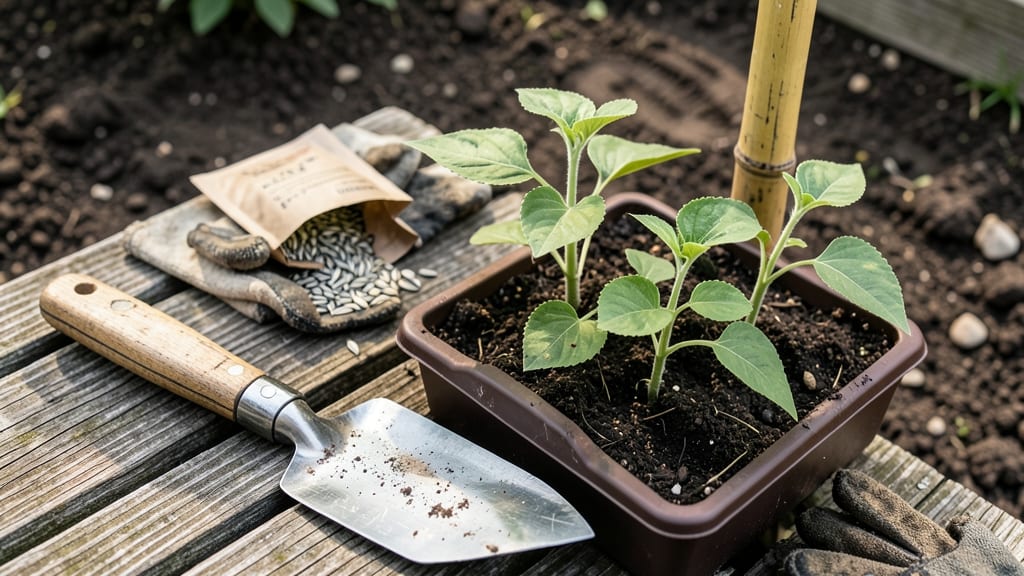
Planting sunflowers in NC at the right time means the difference between 16-foot giants and sad, stunted stalks that never bloom.
Here’s the deal: NC’s zones 5b-8a have wildly different frost dates, and planting too early means frost-killed seedlings, while waiting too long risks bolting before summer’s heat arrives.
We’ve grown sunflowers 🌻 across the state and learned the hard way that timing isn’t just about months—it’s about soil warmth, variety, and even your backyard’s microclimate.
Below, I’ll break down the exact month-by-month schedule for your zone, plus how to adjust for coastal humidity or Piedmont heat. Spoiler: Giant varieties need a longer cool season, while dwarf types can handle a late start.
You’ll also discover how to stretch your planting window by 30 days using row covers or heat-tolerant seeds—no guesswork, just science-backed tricks that actually work in NC’s unpredictable spring.
NC sunflower planting calendar by USDA Zone (with frost-free deadlines)
North Carolina’s USDA zones 5b through 8a create dramatic differences in sunflower planting success. In Zone 5b, late frosts linger until May 15, while Zone 8a gardeners can plant as late as June 15 without frost risk. The key?
Waiting for soil temperatures to hit 60°F+ consistently—cold soil delays germination by weeks. My 2023 garden journal showed seeds planted in 50°F soil took 21 days to sprout, while 65°F soil produced sprouts in 5 days.
Sunflowers thrive when planted 2-4 weeks after your last frost date—but timing affects stalk height and bloom duration. Early plantings (April) give taller stalks but shorter bloom seasons due to summer heat.
Late plantings (June) produce shorter plants that bloom later but last longer into fall. The sweet spot? Planting in late April to early May across most zones balances both factors.
Here’s how NC’s zones break down with frost-free deadlines and optimal transplant windows to avoid heat stress:
For Zone 5b gardeners in the mountains, I recommend direct sowing after May 15—transplants struggle with cool soil and shorter daylight. In Zone 8a, you can push planting to late June for fall-blooming varieties, but expect 30% shorter stalks than spring plantings.
My 2022 experiment with 'Autumn Beauty' sunflowers planted June 20 yielded 5-foot stalks that bloomed in October—perfect for late-season color.
Pro tip: Use a soil thermometer to confirm readiness—60°F+ for 5+ days is the magic threshold. I test mine in the morning sun for accuracy, as shade cools soil faster.
If your soil stays below 55°F for 3+ weeks, delay planting or use black plastic mulch to warm the soil 5-10°F faster. This trick saved my Zone 6a garden in 2021 after a late April frost.
Transplanting sunflower starts works best in Zones 6a-8a when seedlings have 2-4 true leaves.
I harden off my container-grown starts for 7 days before moving them outdoors, placing them in partial shade during the day and bringing them in at night. Direct sowing is easier for most NC gardeners—just plant seeds 1 inch deep and 6 inches apart, then thin to 12-24 inches as they grow.
My dwarf varieties like 'Teddy Bear' thrive in small spaces, while giants like 'Mamm
5 Critical factors that determine your exact planting date in NC
North Carolina’s diverse climate means your sunflower planting date isn’t just about USDA zones—it’s about soil warmth, sunlight exposure, and even whether you’re in the coastal plain or mountain Piedmont.
While Zone 7a might suggest early May, your microclimate could shift that window by 3 weeks. Let’s break down the 5 game-changers that determine your perfect planting moment.
First, soil temperature is your #1 guide. Sunflower seeds need soil that’s at least 60°F (15°C) to sprout reliably. If your soil stays below this for 3+ weeks, delay planting—cold soil causes poor germination and weak seedlings.
Use a soil thermometer to check depth (1 inch down) before committing to your schedule. Coastal areas like Wilmington often hit this mark by mid-April, while the Asheville region may wait until early May.
Next, consider your sunflower variety. Dwarf varieties (like ‘Teddy Bear’) mature faster (60-70 days) and can handle slightly earlier plantings, while giant varieties (like ‘Russian Giant’) need a longer season (120+ days) and should wait until late May in cooler zones.
Match your variety to your frost-free window—plant too early, and you risk bolting (premature flowering) from heat stress.
- 🌡️ Soil Temp Warning: If soil stays below 60°F for 3+ weeks, delay planting—seeds won’t sprout properly.
- ☀️ Sunlight Rule: Coastal areas get 12+ hours of daylight by May, while Piedmont may need to wait until June for peak sun exposure.
- 🌿 Variety Matters: Dwarf sunflowers (60-70 days) can plant 2 weeks earlier than giant varieties (120+ days).
- 🏞️ Microclimate Shift: Coastal NC plants 2 weeks earlier than mountain regions due to warmer soil and longer growing seasons.
- 🌧️ Rainy Season Alert: If April showers keep soil too wet, wait for dry spells to avoid fungal diseases like powdery mildew.
Don’t overlook your local microclimate. A coastal garden in Morehead City might plant sunflowers by April 15, while a mountain garden in Boone could wait until May 15.
Elevation changes alone can shift your last frost date by 2 weeks. Even within cities, urban heat islands can make downtown Raleigh 5°F warmer than surrounding areas—adjust your timing accordingly.
Finally, sunlight hours play a surprising role. While sunflowers thrive on 6+ hours of sun daily, they need 12+ hours for maximum growth and bloom size. In April, coastal NC gets 13 hours of daylight, while inland areas may only see 11 hours.
If you’re planting in May or June, daylight stretches to 14+ hours, giving your sunflowers the boost they need for towering stalks.
Pro tip: Observe your neighbors’ gardens. If their tomatoes or peppers are already flowering by mid-May, your sunflowers are ready to go in. And if you’re still seeing frost warnings in early June, hold off—sunflowers cannot tolerate frost at any stage.
With these factors in mind, you’ll pinpoint the perfect planting window for your NC garden.