
Planting
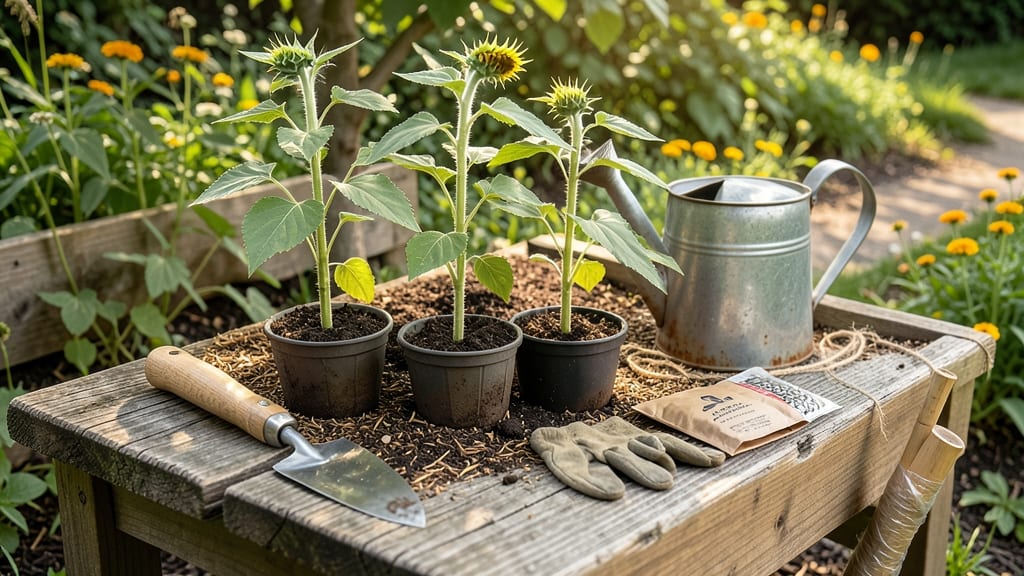
Transplant sunflower seeds when soil reaches 50°F and frost risk is gone — the perfect timing for fast, healthy growth 🌻.
Picture this: you’ve nurtured your sunflower seedlings indoors, and now they’re ready to meet the great outdoors. But rush them too soon, and cold soil will shock their roots. Wait too long, and you’ll end up with leggy, weak stems that never reach their full 10-foot glory.
Most gardeners in USDA Zone 6a can transplant in late April or early May, but the real secret lies in soil temperature. A simple test with a thermometer (or even a DIY candle trick) tells you exactly when your sunflowers will thrive.
Below, I’ll walk you through the exact timing, regional adjustments, and 3 common mistakes that kill transplants before they even take root. Ready to grow sunflowers that tower over your fence?


The ideal soil temperature for transplanting sunflower seeds
Sunflowers are warm-season plants that need consistent soil warmth to thrive after transplanting. When you move seedlings too early, their roots struggle in cold soil, leading to transplant shock and stunted growth.
The ideal soil temperature range for transplanting sunflower seedlings is between 50°F and 60°F, with 55°F being the sweet spot for optimal root establishment.
Why does soil temperature matter so much? Sunflowers have delicate root systems that need warmth to activate growth hormones. When soil is too cold (below 50°F), microbial activity slows down, preventing roots from absorbing nutrients efficiently.
This can delay germination by up to 2 weeks and weaken seedlings, making them vulnerable to disease and pests.
Here’s the golden rule: Always check soil temperature before transplanting. If your thermometer reads below 50°F, wait at least 1-2 weeks or use row covers to warm the soil faster.
In colder climates, this might mean delaying transplants until late May or early June, while warmer regions can start as early as mid-April.
Don’t have a soil thermometer? No problem! Try the candling trick, a DIY method gardeners use for centuries. Stick a candle or incense stick into the soil about 2 inches deep. If it melts or burns unevenly, the soil is too cold.
For a more precise test, bury a thermometer for 30 minutes in the afternoon when soil is warmest. This gives you the most accurate reading for transplant timing.
Another pro tip: Warm your soil faster by covering garden beds with black plastic mulch 1-2 weeks before transplanting. This can raise soil temperatures by 5-10°F in just a few days, giving you an earlier planting window. Just remove the mulch right before transplanting to avoid overheating the roots.
Once your soil hits the ideal temperature range, transplant sunflowers on a cloudy day to reduce stress. Water deeply before and after transplanting to help roots establish quickly. Within 3-5 days, you’ll see new growth as a sign that your seedlings have successfully adapted to their new home.
Remember, patience is key when transplanting sunflowers. Rushing the process can lead to leggy seedlings or even death, while waiting for the right conditions ensures strong, vibrant plants that reach their full 10-16 foot potential.
With the right soil temperature, your sunflowers will reward you with bold blooms and towering stems all season long.
🌱
Best time of day and season to transplant sunflower seedlings
Timing is everything when transplanting sunflower seedlings—wait too long and your plants may struggle to establish roots before summer heat sets in.
The best window depends on your USDA hardiness zone, but generally, aim for late spring after the last frost when soil temperatures consistently reach 50-60°F (10-15°C).
In USDA zones 3-5, this typically falls between mid-May and early June, while zones 6-10 can start as early as April.
For Southern Hemisphere gardeners, reverse the timing—plant in late summer to early fall (March-April) when days are warm but nights cool. Always check your local frost dates to avoid transplanting too early; sunflowers are frost-sensitive and won’t tolerate temperatures below 40°F (4°C).
A simple soil thermometer or the "candling trick" (burying a thermometer in soil for 24 hours) helps confirm readiness.
Transplanting in the early morning (before 10 AM) or late afternoon (after 4 PM) minimizes stress from direct sunlight and heat. Avoid midday when temperatures exceed 80°F (27°C)wilt on contact with hot soil.
Harden off seedlings 7–10 days before transplanting by gradually exposing them to outdoor conditions to reduce shock.
Adjust your schedule for early/late frosts: In zone 4, delay until June 1 if frost lingers, while zone 10 gardeners can start as early as January.
Always monitor 7-day forecasts—sunflowers hate cold snaps and may bolt prematurely if stressed. For container growers, use black plastic mulch to warm soil faster in cooler climates.
Pro tip: Direct-sow sunflowers if possible—they hate root disturbance and transplant poorly. But if you’re starting seedlings indoors, use biodegradable pots to minimize transplant shock. Water deeply before and after transplanting to encourage root growth, and avoid fertilizing for 2 weeks to prevent burn.
In drought-prone areas, prioritize transplanting in spring rains (March–April) to reduce watering needs. Southern gardeners should aim for fall transplanting (September–October) to beat summer heat. Whether you’re in Minnesota or Melbourne, the key is soil warmth + frost safety—not just calendar dates.