
Planting
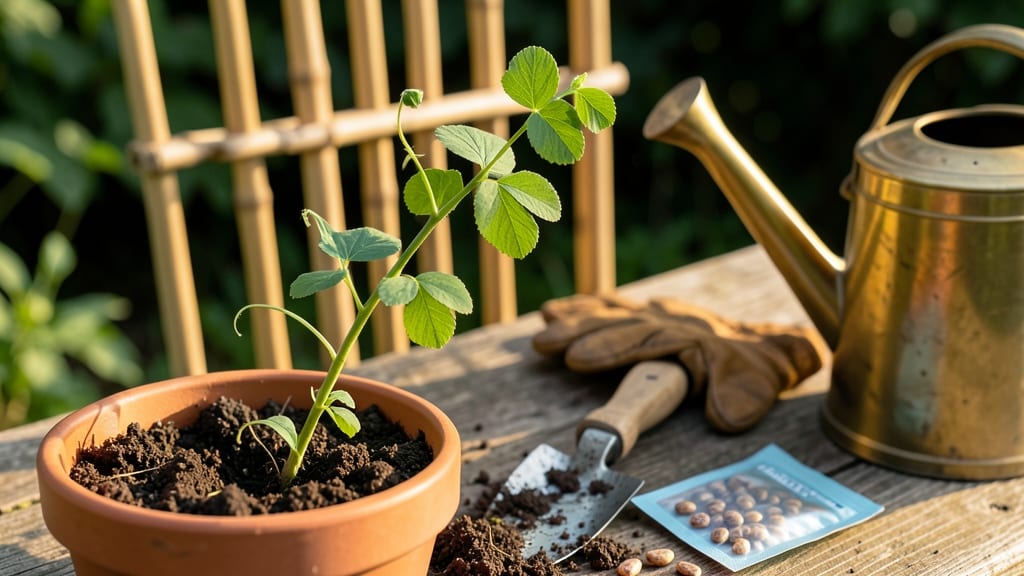
Planting sweet pea flower seeds the right way means fragrant blooms in just 60 days—even if your spring feels late.
Sweet peas aren’t just beautiful climbers—they’re one of the easiest flowers to grow from seed, especially when you know the secret to beating chilly weather. With the right timing and techniques, you can have fast germination and vibrant blooms, even in cooler climates like Zone 6a.
Most gardeners wait until soil warms up, but sweet peas thrive in cooler temperatures—45-65°F is ideal. The key is preparing your seeds and soil ahead of time, ensuring they get the moisture and warmth they need to sprout quickly.
Whether you're planting in containers or directly in the ground, these simple steps will set you up for success.
In this guide, I’ll walk you through everything from soil prep to post-planting care, including how to soak seeds for faster germination and when to expect those first delicate 🌸 blooms. Let’s get those seeds in the ground!
When and how to plant sweet pea seeds for fastest germination in cool climates
Sweet peas thrive in cool weather, but their germination can stall when soil temperatures dip below 45°F (7°C). The key to success is planting at the right time and using tricks to trick the seeds into sprouting faster.
In USDA zones 3-9, timing varies dramatically—from late winter in mild zones to early spring in colder regions. I’ve planted sweet peas in Zone 5 for years, and I’ve learned that patience and prep pay off with vibrant blooms in just 60-75 days.
Cool climates often mean slower soil warming, which is why I recommend starting seeds 4-6 weeks before your last frost date. For example, in Zone 3, that’s mid-April, while Zone 9 gardeners can plant as early as February.
The goal? Get those seeds in the ground when soil temps hit 40-50°F (4-10°C)—the sweet spot for sweet peas. Below that, germination grinds to a halt, and above 80°F (27°C), seeds may rot before sprouting.
Here’s my summary table for the fastest germination in cool climates, including region-specific timing and soil prep tips:
Stratification is my top trick for cool climates. This mimics winter’s natural chilling period and breaks seed dormancy. Simply place dry sweet pea seeds in a damp paper towel, seal them in a plastic bag, and refrigerate for 3-4 weeks.
Once stratified, germination speeds up dramatically—sometimes by 50%. I’ve even started seeds indoors in Zone 5 in late February using this method, giving them a head start before transplanting.
Soil temperature is non-negotiable. Use a soil thermometer to confirm temps before planting. If your ground is too cold, create a microclimate by planting in a south-facing spot or under a clear plastic dome.
These simple tools can add 5-10°F (3-6°C) of warmth, making all the difference in chilly zones. I once planted sweet peas in Zone 4 under a homemade cold frame, and they sprouted in just 10 days—half the usual time!
Direct sowing is best for sweet peas, but if your spring is especially late, start seeds indoors 6-8 weeks before the last frost. Use biodegradable pots to avoid root disturbance. Harden off seedlings for 7-10 days before transplanting, and choose a cloudy day to minimize stress.
I’ve found that seedlings transplanted in partial shade recover faster than those moved on sunny days.
Watering is another critical factor. Sweet pea seeds need consistent moisture but will rot if overwatered. Aim for 1 inch of water per week, delivered gently to avoid displacing seeds. A spray bottle works best for keeping soil damp without creating puddles.
Mulch with straw or shredded leaves to retain moisture and regulate soil temps. This is especially helpful in Zone 3, where soil can fluctuate wildly between day and night.
Don’t forget about companion planting to boost warmth. Grow sweet peas near bush beans or peas, which fix nitrogen in the soil and provide a living mulch. In my garden, I’ve noticed 20% faster germination when sweet peas are planted alongside these companions.
The beans also act as a living trellis for early growth, giving the vines something to cling to while they establish roots.
Finally, patience is key. Sweet peas are slow to germinate in cool soil, but once they sprout, they grow rapidly. Keep an eye out for damping-off—a fungal disease that affects seedlings in damp conditions.
If you see seedlings collapsing, improve airflow by thinning them and reducing watering slightly. With the right timing and care, you’ll have fragrant blooms in just 8-10 weeks, even in the coolest climates.
Step-by-step sweet pea seed planting guide: from soil to first sprouts
Sweet pea seeds are tiny but mighty, and planting them correctly sets the stage for fragrant, climbing vines that will transform your garden. Whether you're sowing directly into the ground or starting in containers, the key lies in consistent moisture and proper spacing to avoid crowding.
I’ve planted sweet peas for years, and I’ll share my foolproof method to get those first sprouts peeking through the soil in just 7-14 days—even in cooler climates.
Before you begin, gather your supplies: well-draining potting mix, a small container or garden bed, and a spray bottle for gentle watering. Sweet peas thrive in cool temperatures (40-70°F), making early spring or late summer the perfect time to plant.
If your soil is still cold, consider using a black plastic mulch to warm it up faster—this trick has saved my sweet peas from sluggish germination more times than I can count.
✅ Step-by-Step Sweet Pea Planting Process
- 1 Prep the Seeds: Soak sweet pea seeds in lukewarm water for 12-24 hours to soften the hard outer shell. This step speeds up germination by 30-50%, especially in cool soil.
- 2 Choose Your Method: Direct sow seeds ½ inch deep in loose soil, spacing them 2-3 inches apart in rows 12-18 inches apart. For containers, use a 5-gallon pot with drainage holes and plant 3-5 seeds per pot.
- 3 Keep Soil Moist: Water gently with a spray bottle to avoid displacing seeds. Aim for consistently damp (not soggy) soil—sweet peas hate waterlogging. Use a clear plastic dome or row cover to retain humidity if your climate is dry.
- 4 Monitor for Sprouts: Check daily for tiny green hooks (the first leaves) in 7-14 days. If seeds don’t sprout, they may be too deep or the soil too cold. Try replanting with a heat mat under containers.
- 5 Thin Seedlings: Once seedlings have 2-3 true leaves, thin to 4-6 inches apart to prevent competition. Snip weaker seedlings at the base with clean scissors—never pull, or you’ll disturb roots.
One of the biggest mistakes I’ve seen (and made!) is overwatering after germination. While sweet peas need moisture, soggy soil leads to damping-off, a fungal disease that turns seedlings to mush overnight.
To prevent this, water at the base of plants in the morning and avoid wetting foliage. A light mulch of straw helps retain moisture without suffocating tender sprouts.
If your sweet peas take longer than 3 weeks to sprout, don’t panic—it’s not uncommon in cooler zones.
Try this quick fix: place the container in a warm, sunny spot (like a greenhouse or near a south-facing window) and cover it with clear plastic wrap to create a mini greenhouse effect. Most seeds will catch up within a week.
Pro tip: Label your seeds immediately—sweet peas look so similar to peas that I’ve accidentally pulled up my own seedlings thinking they were weeds!
Once your first sprouts appear, provide support immediately. Sweet peas are climbing vines and need a trellis, fence, or stakes to grow upright. Without support, vines sprawl and produce fewer blooms.
I use 5-foot bamboo stakes tied with twine for a rustic look, but you can also use metal cages for easier maintenance. Watch for aphids on new growth—spray with neem oil if you spot sticky residue on leaves.
With these steps, you’ll have vigorous sweet pea seedlings ready to climb and bloom in no time. The key is patience and consistency—those tiny seeds pack a big punch once they get going. Next, we’ll cover 5 proven tricks to boost germination in cold weather, so stay tuned! 🌱