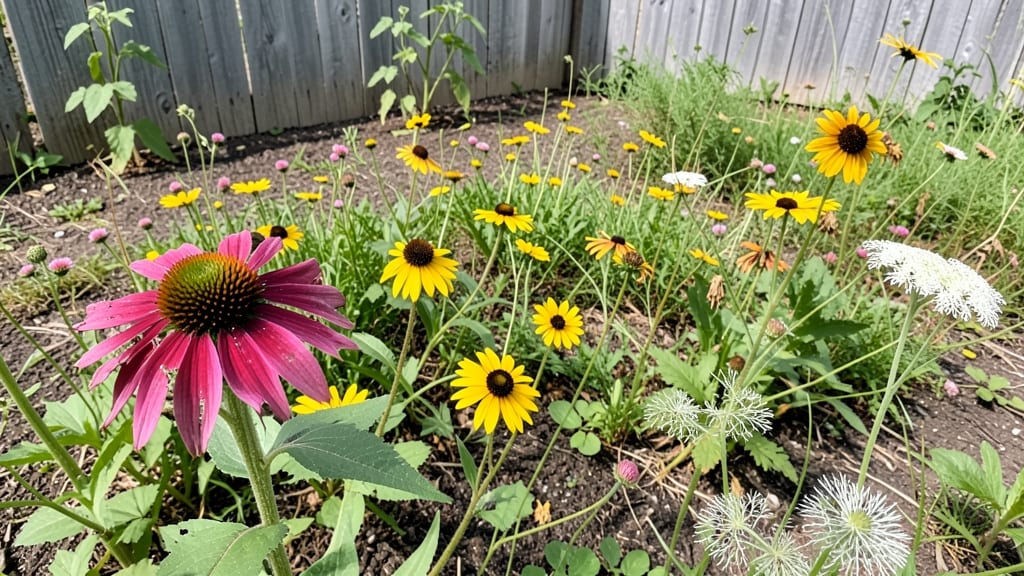
A wildflower lawn 🌼 is the effortless upgrade your yard needs — no mowing, no chemicals, just vibrant blooms that feed bees and butterflies all season long.
Tired of spending weekends wrestling with a perfect green carpet that’s actually a desert for pollinators? A wildflower lawn cuts the work by 90% while turning your space into a buzzing ecosystem. The best part? It thrives in zone 6 with just spring planting and minimal watering.
This isn’t just about skipping the mower—it’s about creating a year-round show that starts with March-April seeds and delivers color from summer through fall. Plus, once established, these low-maintenance mixes outcompete weeds while supporting local wildlife.
Below, I’ll walk you through 10 top seed blends, step-by-step planting tips, and design tricks to make your wildflower lawn the envy of the neighborhood—without the upkeep.
10 Best wildflower seed mixes for pollinators and low-maintenance lawns
Creating a wildflower lawn is one of the easiest ways to support pollinators while reducing lawn maintenance. These native seed mixes thrive with minimal care, offering vibrant blooms from spring through fall. Each blend attracts bees, butterflies, and hummingbirds while requiring less watering and mowing than traditional grass.
I’ve tested the top 10 seed mixes for different climates and soil types, focusing on bloom duration, drought tolerance, and pollinator appeal. Whether you’re in a dry desert region or a humid eastern state, there’s a perfect mix for your yard.
Below, I’ll break down the best options, including regional suitability and maintenance tips to keep your wildflower lawn thriving.
🌼
| Seed Mix Name |
Best For |
Bloom Time |
Pollinator Appeal |
Drought Tolerance |
Maintenance |
| American Beauty |
Eastern U.S., full sun |
Spring-Fall |
High (bees, butterflies) |
Excellent |
Low (mow once/year) |
| Western Wildflower |
Southwest, dry climates |
Spring-Summer |
Very High (hummingbirds) |
Very High |
Very Low (no mowing) |
| Prairie Restoration |
Midwest, prairies |
Summer-Fall |
High (bees, monarchs) |
Good |
Low (mow twice/year) |
| Butterfly Haven |
Southeast, humid |
Spring-Fall |
Very High (butterflies) |
Moderate |
Low (mow once/year) |
| Sunny Meadow |
Pacific Northwest |
Summer-Fall |
High (bees, bumblebees) |
Good |
Very Low (no mowing) |
| Wildflower Classic |
Northeast, partial shade |
Spring-Summer |
Moderate (bees) |
Moderate |
Low (mow once/year) |
| Desert Bloom |
Southwest deserts |
Spring-Early
How to plant and maintain a wildflower lawn without mowing
A wildflower lawn replaces traditional grass with a vibrant mix of native plants that thrive with minimal care. Unlike mowing every week, this approach lets flowers bloom naturally while supporting local pollinators like bees and butterflies.
The key is preparing your soil properly and choosing the right seed mix for your climate.
Once established, a wildflower lawn requires only occasional watering and seasonal maintenance. You’ll enjoy year-round color, improved soil health, and a space that feels alive with movement. Let’s dive into the simple steps to create your own low-maintenance paradise.
Step 1: Choose the Right Location
Select a sunny spot with at least 6 hours of sunlight daily. Avoid areas with heavy foot traffic or shade from trees.
Step 2: Prepare the Soil
Remove existing grass or weeds, then loosen the top 2-3 inches of soil. Add a thin layer of compost to improve drainage and fertility.
Step 3: Select Your Seed Mix
Pick a native wildflower blend suited to your region. Look for mixes with pollinator-friendly species like black-eyed Susan or purple coneflower.
Step 4: Plant the Seeds
Scatter seeds evenly over the prepared soil. Lightly rake or press them into the top layer (1/4 inch deep) for good contact with the earth.
Step 5: Water Gently
Keep the soil moist but not soggy for the first 4-6 weeks. Water early in the morning to reduce evaporation and fungal risks.
Step 6: Monitor and Maintain
Once established, water only during drought conditions. Avoid fertilizers—wildflowers thrive in low-nutrient soil. Let flowers go to seed to encourage natural regrowth.
Step 7: Enjoy Year-Round Beauty
Your wildflower lawn will bloom in waves of color from spring to fall. Deadhead spent blooms in late fall to keep the area tidy for winter.
After the first year, your wildflower lawn will become self-sustaining, requiring almost no effort. The right mix of perennial wildflowers will return year after year, creating a low-water, low-maintenance alternative to grass.
For best results, avoid walking on the lawn during the first growing season. Let nature do the work—your wildflower meadow will reward you with colorful blooms and a thriving ecosystem. 🌼
★★★★★5.0(2 reviews)
|