
Trees
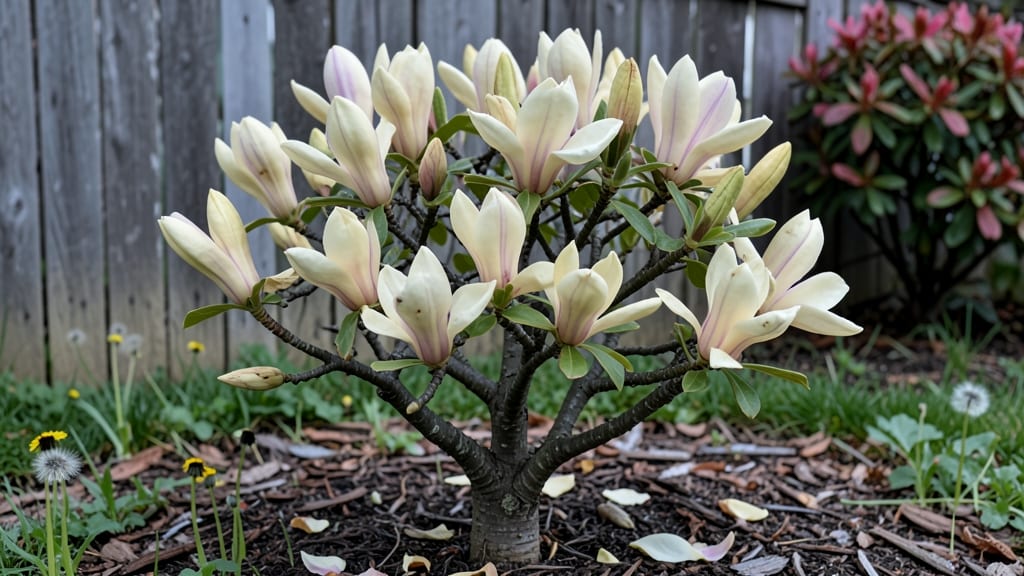
Growing a yellow flower magnolia 🌸 means bringing sunshine to your garden in the most dramatic way possible—those golden blooms light up spring like nothing else.
Imagine a garden bursting with vibrant yellow blooms that arrive just in time to brighten your spring—yellow flower magnolias are a stunning way to transform any outdoor space, but timing their planting is everything.
If you're in USDA Zone 6a, the best window to plant is late fall to early spring, when the soil is cool but workable. This gives roots a head start before summer heat arrives, setting the stage for bold blooms the following year.
In this guide, I’ll walk you through the ideal planting times, soil prep, and care tips to ensure your magnolia thrives—and delivers those jaw-dropping yellow flowers every spring.
Best planting times for yellow flower magnolias by US climate zones
Planting your yellow flower magnolia, like the stunning Magnolia × soulangeana 'Lemon Beauty', at the right time ensures strong root growth and vibrant spring blooms. USDA zones 5-9 offer distinct windows, but fall planting often outperforms spring for these moisture-loving trees.
Let's break down the best timing for each zone to maximize success.
In zones 5-6, where winters are colder, planting in late fall (October-November) gives roots time to establish before freezing. For zones 7-9, fall planting still works, but spring (February-March) is equally viable. Avoid extreme heat—summer planting stresses young magnolias, slowing their growth.
🌱
| USDA Zone | Best Planting Window | Why This Timing | Root Establishment Tip |
|---|---|---|---|
| 5-6 | Late October - November | Cooler temps reduce transplant shock; soil stays workable. | Mulch heavily to insulate roots from winter freeze-thaw cycles. |
| 7 | October - Early November OR February - March | Fall avoids summer heat; spring allows early growth before summer drought. | Water deeply 2x/week after planting to encourage deep rooting. |
| 8 | November OR February - Early March | Fall planting avoids summer pests; spring planting prevents heat stress. | Avoid fertilizing at planting—wait until spring for new growth. |
| 9 | December - January OR February - March | Winter planting avoids summer heat; spring planting aligns with rain season. | Use drip irrigation for consistent moisture in dry climates. |
For zone 5-6 gardeners, I always recommend fall planting—the cooler temperatures reduce transplant shock, and roots establish before winter dormancy. Zone 7-9 offers flexibility, but I’ve seen the best results when planting in late fall (November) or early spring (February) to avoid summer heat stress.
Timing isn’t just about the season—it’s also about soil temperature. Aim for 60°F soil temps or cooler. Use a soil thermometer to check before planting. Warmer soils can cause roots to dry out too quickly, stunting growth.
If you miss the ideal window, don’t panic! Container-grown magnolias can be planted in spring (March-April) in most zones, but expect slower initial growth. Bare-root plants, however, must go in during dormancy—November-December for zones 5-6, December-January for zones 7-9.
Pro tip: Water deeply right after planting to settle soil around roots, then mulch with 3-4 inches of organic mulch (like pine bark) to retain moisture. Yellow magnolias hate soggy soil, so ensure your planting site has well-draining soil—amend clay soil with compost or sand if needed.
In my zone 7 garden, I’ve planted ‘Lemon Beauty’ magnolias in both fall and spring. The fall-planted trees bloomed 2 years earlier than their spring counterparts—proof that timing matters! For container planting, I always plant in late winter (February) to give roots time to establish before summer.
🌿
One common mistake I see is planting too late in spring—by May, the heat can overwhelm young magnolias. If you must plant in spring, do it in March when soil is still cool. For container-grown specimens, spring planting works well because roots are already established in the pot.
Remember, yellow magnolias need patience. It can take 3-5 years for a newly planted tree to produce its first vibrant yellow blooms. But with the right timing and care, your garden will reward you with stunning spring color for decades.
☀️
How to choose the perfect spot for maximum yellow magnolia blooms
Yellow flower magnolias like Magnolia × soulangeana and Magnolia denudata thrive when planted in the right conditions. To ensure those stunning yellow blooms appear year after year, focus on three critical factors: sunlight exposure, soil quality, and moisture balance.
These elements work together to create the ideal environment for your magnolia to flourish and reward you with vibrant spring displays. 🌸
Your yellow magnolia needs at least 6 hours of sunlight daily to produce its best blooms. While it can tolerate partial shade, too little light will result in fewer flowers and weaker growth.
Morning sun paired with afternoon shade is ideal, especially in hotter climates where afternoon rays can scorch delicate leaves. Test your spot by observing how much sunlight it receives during peak blooming months. ☀️
Spot Selection Guide for Yellow Magnolia Blooms
✅ Pros of Ideal Spot
- Full sun (6+ hours) → Maximizes yellow bloom production
- Acidic soil (pH 4.5-6.0) → Supports root health
- Well-draining soil → Prevents root rot
- Morning sun → Reduces leaf scorch
- Sheltered from wind → Protects delicate branches
❌ Cons of Poor Spot
- Too much shade → Fewer blooms, weak growth
- Alkaline soil (pH >7.0) → Nutrient deficiencies
- Waterlogged soil → Root rot risk
- Afternoon sun only → Leaf burn potential
- Exposed to strong winds → Branch breakage
Soil pH plays a crucial role in your yellow magnolia's health. These trees prefer acidic soil with a pH between 4.5 and 6.0. Test your soil using a simple kit from your local garden center.
If your soil is too alkaline, amend it with peat moss or sulfur to lower the pH gradually. Well-draining soil is equally important—avoid low-lying areas where water pools after rain. 🪴
Watering your yellow magnolia correctly is key to vibrant blooms. While they need moderate moisture, overwatering is just as harmful as underwatering. Aim for deep watering once a week during dry spells, ensuring the root zone gets saturated.
Mulch around the base with organic matter to retain moisture and regulate soil temperature. This helps prevent the soil from drying out too quickly during hot summer months. 💧
Pruning your yellow magnolia after blooming helps maintain its shape and encourages more abundant flowers. Remove any dead, diseased, or crossing branches to improve air circulation. Avoid heavy pruning during the growing season, as this can stress the tree and reduce next year's blooms.
Instead, focus on light shaping prunes in late spring or early summer. ✂️
Finally, consider your yellow magnolia's mature size when choosing a spot. These trees can grow 10 to 30 feet tall, so plant them where they have room to spread without crowding other plants or structures.
Give them at least 15 feet of clearance in all directions for optimal growth and bloom production. With the right spot, your magnolia will thrive for decades. 🌳