
Succulent
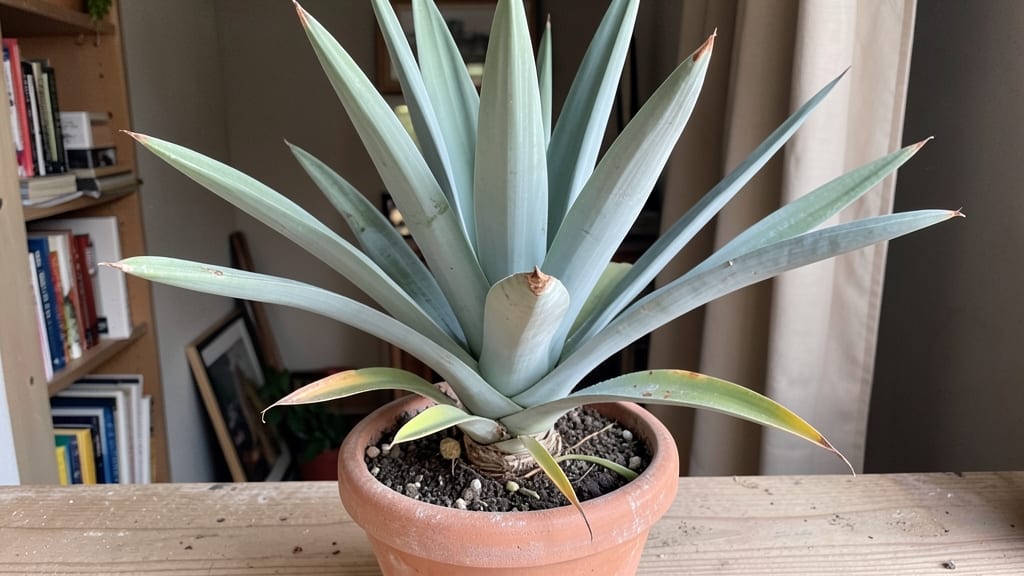
Yucca tree flowers are the showstopper of the desert garden — those towering spikes of creamy-white or pale green bells appear only when your plant is ready to impress.
Your mature 🌵 yucca tree might look stunning year-round, but those rare, dramatic flower spikes can feel like a once-in-a-lifetime miracle. With the right care, you can turn sporadic blooms into a regular spectacle—here’s how to trigger your yucca’s flowering cycle like a pro.
Most yuccas wait until they’re 5-10 years old before flowering, and even then, they need the perfect mix of sunlight, water, and a little strategic stress. Too much water or too little sun, and your plant will stay stubbornly leafy.
But get the balance right, and you’ll see those iconic blooms reaching for the sky.
Below, I’ll walk you through the science behind yucca flowering, the exact steps to encourage blooms, and how to troubleshoot if your plant keeps playing hard to get. Ready to turn your 🌵 yucca tree into a flowering superstar?
Understanding yucca flowering: when and why your tree blooms
Yucca trees are famous for their striking, sword-like foliage, but their showstopper flowers are what truly steal the show. These arching spikes of white, cream, or pale green blooms appear as a reward for patience—often after 5-10 years of growth.
Unlike many plants, yuccas rely on stress-induced triggers rather than just ideal conditions to bloom, making their flowering habits uniquely fascinating.
The timing of yucca flowers depends on climate, age, and seasonal cues. In USDA Zones 8-11, blooms typically emerge in late winter or early spring, while cooler zones (4-7) may see flowers in late spring or summer.
Younger plants (under 3 years old) rarely flower, as they prioritize root and foliage growth over reproduction. Even mature yuccas can skip flowering years if conditions aren’t right.
| Factor | Impact on Flowering | Optimal Conditions |
|---|---|---|
| Age | Plants younger than 3 years rarely flower; peak blooming occurs at 5-15 years. | Wait until mature height (3-6 ft) for reliable blooms. |
| Drought Stress | Controlled water reduction triggers flowering hormones. | Reduce water by 50% for 2 months before expected bloom season. |
| Sunlight | Insufficient sun delays or prevents blooms entirely. | Provide 6+ hours of direct sun daily. |
| Temperature | Cold snaps (below 30°F) can shock plants into blooming. | Protect from hard frosts in Zones 4-7. |
| Nutrients | Excess nitrogen promotes foliage over flowers. | Use low-N fertilizer (5-10-10) in early spring. |
The science behind yucca flowering is all about hormonal triggers. Yuccas are native to arid regions, so they’ve evolved to bloom in response to drought stress. When roots experience mild water deprivation, the plant releases ethylene gas, a natural signal to produce flowers.
This is why overwatered yuccas often skip flowering entirely—they never experience the stress cue needed to bloom.
Recognizing pre-bloom signs is key to anticipation. Look for tight buds forming at the top of the plant in late winter, or new growth at the base of mature stems. Some varieties, like Yucca filamentosa, develop woody flower stalks that can reach 6 feet tall before blooming.
If your yucca shows these signs but doesn’t flower, it may need a cool winter period (even in warm climates).
Not all yuccas bloom annually, and some skip years entirely due to environmental factors. For example, Yucca gigantea (Spanish dagger) may bloom only every 3-5 years, while Yucca rostrata (beaked yucca) flowers more reliably but still needs drought conditions to trigger blooms.
If your plant is mature but refuses to flower, check for root-bound conditions or nutrient deficiencies, which can suppress blooming.
One common misconception is that yuccas bloom only in spring. While this is true for many varieties, Yucca whipplei (Our Lord’s Candle) flowers in summer after a long drought period.
Pay attention to your local climate—some regions see winter blooms if temperatures drop below 40°F at night. This cold shock can act as a natural trigger for flowering.
Yucca flowers are also pollinator magnets, attracting moths and butterflies with their fragrant, tubular blooms. If you notice insect activity around your plant in late winter, it’s a sign that flowering is imminent.
The flowers themselves are not edible but make stunning cut flowers—lasting 5-7 days in a vase when harvested at the bud stage.
For container-grown yuccas, pot size matters. Roots that are crowded or circling can’t trigger the stress response needed for blooming. If your potted yucca hasn’t flowered in 5+ years, it’s time to repot into a larger container with fast-draining soil.
This mimics natural drought conditions and often prompts flowering within 1-2 seasons.
Remember, yucca flowering is a natural process, not a guarantee. Even with perfect care, some plants may take years to bloom or skip seasons. The key is to observe your plant’s cues and adjust care accordingly. With patience and the right conditions, your yucca will reward you with
Step-by-step guide: how to induce yucca tree flowers
Yucca trees typically bloom every 3-5 years, but with the right techniques, you can encourage more frequent flowering cycles. The key lies in mimicking their natural drought stress triggers while providing optimal growing conditions.
Whether you're in USDA Zones 4-7 or tropical climates (Zones 8-11), these actionable steps will help your yucca produce those stunning panicle-shaped blooms.
Yuccas thrive on controlled stress, particularly water restriction during critical periods. Unlike many plants, yuccas don’t need regular watering—in fact, overwatering is the #1 reason they fail to bloom.
By adjusting your watering schedule, sunlight exposure, and pruning habits, you’ll send clear signals to your plant that it’s time to flower. Let’s break it down into clear, seasonal steps tailored to your climate.
🌱 Step-by-Step Guide to Trigger Yucca Flowers
-
Step 1: Apply Controlled Drought Stress (Late Winter)
Reduce watering to once every 4-6 weeks starting in January-February. Let the top 6 inches of soil dry out completely before watering again. This mimics winter drought conditions that trigger blooming.
-
Step 2: Adjust Watering for Spring Growth (March-April)
Increase watering to every 2-3 weeks as new growth emerges. Use deep watering (1-2 gallons per mature plant) to encourage root development without overwatering.
-
Step 3: Prune Dead Flower Stems (May-June)
After flowering, cut back spent flower stalks at the base with sterilized pruners. Avoid pruning healthy foliage—this redirects energy to future blooms.
-
Step 4: Apply Light Fertilizer (June-July)
Use a low-nitrogen fertilizer (5-10-10) in early summer to support blooming. Apply 1 tbsp per plant and water deeply to avoid root burn.
-
Step 5: Reduce Watering for Fall Dormancy (August-September)
Cut back to monthly watering as temperatures drop. This prepares the plant for its next flowering cycle.
-
Step 6: Ensure Full Sun Exposure (Year-Round)
Yuccas need 6+ hours of direct sunlight daily. In temperate zones, supplement with grow lights in winter if needed.
💡 Pro Tip: For container-grown yuccas, move pots to a slightly cooler location in winter to enhance flowering signals.
Timing is everything when it comes to yucca flowering. In temperate climates (Zones 4-7), focus on late winter drought stress followed by spring moisture to encourage blooms by summer or early fall.
Meanwhile, tropical yuccas (Zones 8-11) may bloom year-round if given consistent drought cycles—just adjust watering to match your local dry season.
Patience is key, as yuccas often take 1-2 years to respond to these changes. Monitor your plant for new growth at the center or swollen buds—these are signs your yucca is preparing to flower.
If you’ve followed these steps and still see no blooms, check for overwatering or nutrient deficiencies in the next section.
With these techniques, your yucca will reward you with dramatic, fragrant blooms that attract pollinators and elevate your garden’s beauty. Happy growing! 🌿