
Shrubs
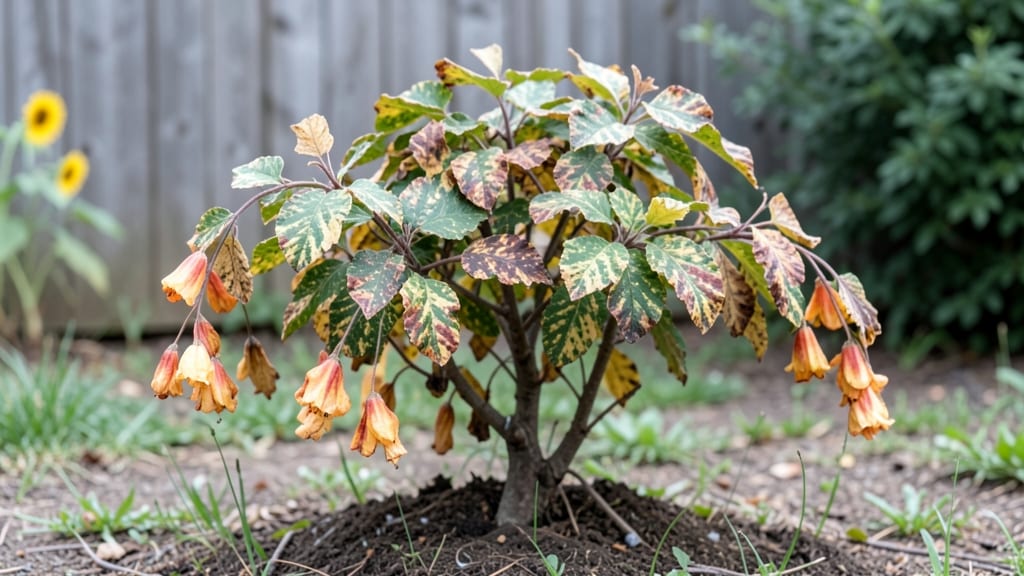
The Abutilon 'Flowering Maple Tiger Eye' 🌸 transforms any space with its fiery foliage and delicate blooms—but only if you nail its light needs and color secrets.
Picture this: your Tiger Eye sits in a sunny spot, but its leaves dull to a sad green instead of blazing red-orange. That’s not just neglect—it’s a light puzzle most growers solve the hard way.
The good news? With the right setup, this plant becomes the showstopper of your garden or home.
This guide cuts through the guesswork, covering everything from bright indirect light to the subtle tricks that deepen those signature tiger-striped leaves. Whether you’re battling winter light or summer scorching, I’ll show you exactly how to keep your Abutilon thriving year-round.
You’ll learn the 3 critical light rules for vibrant colors, how to fix faded foliage in under a week, and the best placement for maximum impact—no green thumb required.
Optimal light conditions for Abutilon Tiger Eye growth & vibrant foliage
The Abutilon 'Flowering Maple Tiger Eye' thrives on bright, indirect light—think of it as your plant’s golden ticket to lush foliage and vibrant blooms. Too little light dulls its signature tiger-striped patterns, while too much can scorch those delicate leaves.
I’ve learned the hard way that finding this balance is key to keeping my Tiger Eye looking its absolute best.
This variety handles partial sunlight beautifully, but it’s not a one-size-fits-all plant. Whether you’re growing it indoors near a window or under artificial grow lights, understanding its light preferences will make all the difference in maintaining those stunning red-orange-yellow foliage hues.
Let’s break down the ideal conditions to keep your Tiger Eye flourishing year-round.
🌱
For indoor growers, I recommend positioning your Abutilon Tiger Eye within 3 feet of an east-facing window—this gives it gentle morning sunlight without the harsh afternoon rays. If your space only has south-facing windows, use a sheer curtain to diffuse the light and prevent leaf scorch.
I’ve seen dramatic differences in foliage vibrancy by making this simple adjustment.
Seasonal adjustments are crucial too. During winter months, when natural light dims, supplement with a full-spectrum LED grow light for 6-8 hours daily. I swear by the Samsung LM300 bulbs—they mimic sunlight perfectly and keep my Tiger Eye’s colors popping even in December.
Just avoid placing the light too close; 12-18 inches away is ideal to prevent heat stress.
🌿
Watch for these tell-tale signs of light issues: pale, washed-out leaves mean it’s not getting enough light, while brown crispy patches signal too much direct sun. If you notice the foliage losing its tiger stripes, it’s time to adjust.
Rotate your plant quarter-turn weekly to ensure even growth—uneven light exposure can cause lopsided development. I’ve had to do this with my own plants, and it makes a world of difference in their symmetry.
Outdoor gardeners can enjoy this beauty in USDA Zone 9-11, but always provide afternoon shade during peak summer months. The tropical origins of Abutilon mean it loves warmth but can’t handle prolonged heatwaves above 90°F.
If you’re growing it in containers, move it to a shaded patio during extreme heat to protect those delicate leaves.
🪴
Pro tip: If your Tiger Eye’s colors start fading, it might need a light boost combined with a balanced fertilizer (like 10-10-10). I fertilize mine every 6 weeks in spring/summer and immediately see richer foliage colors.
Just remember—more light doesn’t mean more fertilizer. The two work together, but overdoing either can stress the plant. Start with small adjustments and observe how your specific plant responds.
Stunning color variations in Abutilon Tiger Eye & how to enhance them
The Abutilon 'Tiger Eye' dazzles with its foliage spectrum—deep reds, fiery oranges, and golden yellows—paired with bell-shaped blooms in hues of pink, red, or orange. These color variations aren’t just natural; they’re enhanceable with the right care.
Let’s uncover how to intensify these stunning shades through light manipulation, fertilization, and pruning techniques.
Your Tiger Eye’s foliage color is directly tied to its light exposure. Too little light dulls the deep reds to muddy browns, while too much can bleach out the oranges and yellows.
The key is bright, indirect light—think east-facing windows or grow lights mimicking natural sunlight. For intensified colors, rotate your plant quarter-turns weekly to ensure even exposure.
| Color Feature | Foliage Shade | Flower Hue | Enhancement Tip |
|---|---|---|---|
| Deep Reds | Velvet maroon with bronze edges | Crimson blooms | Use blue-enriched grow lights (6500K) for 12 hours/day |
| Fiery Oranges | Sunburst yellow-orange with red veins | Peach-pink flowers | Place near south-facing windows with sheer curtains |
| Golden Yellows | Lemon-chartreuse with copper highlights | Orange-red blooms | Fertilize with low-nitrogen (5-10-10) in spring |
| Variegation | Creamy-white edges on red-orange leaves | Bicolor flowers | Prune leggy stems to encourage bushier, colorful growth |
To boost foliage vibrancy, use a balanced fertilizer like 10-10-10 every 6 weeks during spring and summer. For deeper reds, switch to a phosphorus-heavy (5-10-5) formula in late summer to intensify fall colors.
Always water thoroughly before fertilizing to prevent root burn, which can stress the plant and dull its hues.
Pruning isn’t just for shape control—it’s a color-enhancement tool. Trim overly leggy stems in early spring to stimulate new growth with brighter foliage. Remove yellowed or brown leaves immediately, as they compete for nutrients and dilute vibrant shades.
Use sterilized shears to avoid disease spread, which can stress the plant and fade its colors.
For indoor growers, grow lights are a game-changer. A full-spectrum LED (2700K-6500K) placed 12-18 inches above your Tiger Eye mimics natural light cycles. Run it for 14 hours/day to maintain color intensity, especially in winter months when daylight diminishes.
Pair this with a humidity tray to prevent leaf edges from drying out.
Watch for color shifts as seasons change. In fall, your Tiger Eye may deepen naturally—harness this by reducing water slightly to stress the plant just enough to intensify pigments.
Conversely, in summer, increase airflow with a small fan to prevent heat stress, which can bleach out foliage.
With these targeted techniques, your Abutilon 'Tiger Eye' will flaunt foliage so vibrant it’ll outshine any other houseplant. Start with light adjustments, then fertilize strategically, and prune purposefully—your colorful oasis awaits! 🌿🌸