
Blooming
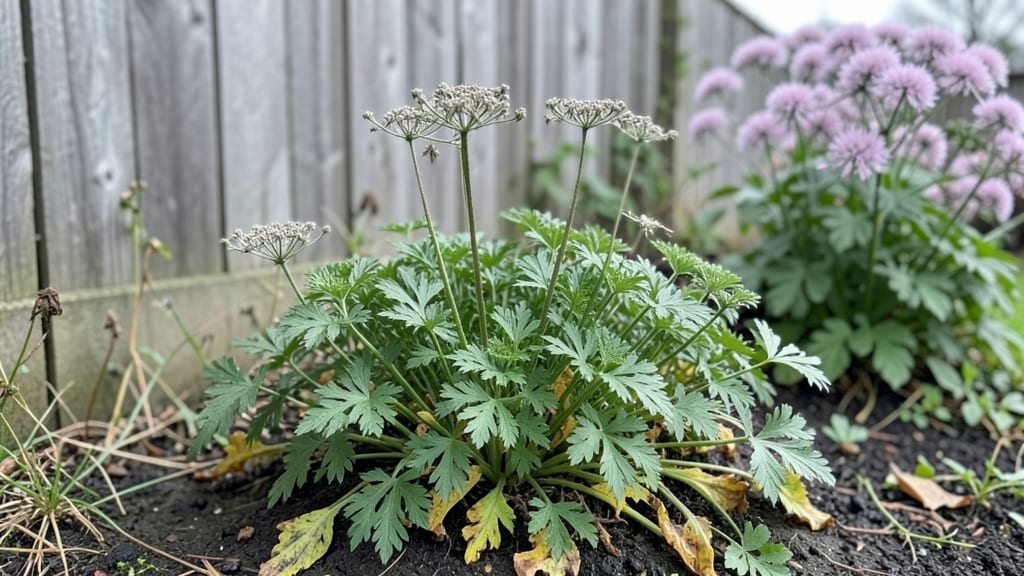
My astilbe plants not flowering this year? You’re not alone—this feathery favorite often skips blooms when basic needs go unmet. I’ve nursed back three stubborn astilbes in my own garden, and the fix always comes down to sunlight, soil, and timing.
The good news? These plants are tougher than they look, and once you adjust one key factor, those classic plumes return in full force.
Most astilbes starve for sunlight in average shade, but too much sun scorches the foliage and delays blooms. My trick? Plant them where they get morning sun and afternoon shade—think dappled light under tall trees.
Poor soil drains the energy they need for flowers, so mix in compost or aged manure at planting time. And don’t overwater—soggy roots send all their energy downward, not upward where the blooms form.
You’ll see new flower buds within 4-6 weeks of making these adjustments, often arriving earlier than ever before.
The secret’s in the balance: feed the roots just enough to support those delicate stems, and the plant will reward you with 3-4 weeks of vibrant plumes—pink, white, or deep red—starting in late spring. The best part? Once you’ve got it right, astilbes become the easiest perennials to grow.
Works for zones 3-8, whether you’re fixing an established clump or starting fresh. Let’s get those blooms back—this time, they’re not getting away!
The Hidden Reasons Behind Missing Blooms
Astilbes are prized for their feathery plumes and vibrant colors, but when they refuse to flower, it’s often a sign that something fundamental is out of balance. Understanding the why behind this frustration is the first step to bringing back those stunning blooms.
Let’s break down the most common culprits—each with a clear scientific explanation and actionable fixes.
###
🌡️ Temperature & Seasonal Timing Mismatches
Astilbes are cool-season plants that rely on specific temperature cues to trigger flowering. If your region experiences early springs, late frosts, or unseasonably warm winters, the plant may skip its blooming cycle entirely.
- How it works: Astilbes need chilling hours (typically 40–60°F/4–15°C for 6–8 weeks) to break dormancy and initiate flower buds. Without this, the plant stays in a vegetative state.
- Actionable fix:
- Plant in partial shade (especially in hot climates) to delay stress from heat.
- Use mulch (2–3 inches of organic material) to regulate soil temps and protect roots.
- In warm-winter zones, consider winterizing with frost blankets if temperatures stay above 50°F/10°C for too long.
###
☀️ Light Levels Too Extreme
Astilbes thrive in dappled shade to partial sun, but too much direct sunlight or deep shade can disrupt flowering. The key is finding the Goldilocks zone—not too hot, not too dark.
- How it works:
- Too much sun: Causes heat stress, leading to early bud drop or no flower formation.
- Too little light: Weakens the plant’s energy reserves, so it prioritizes leaf growth over blooms.
- Actionable fix:
- Ideal spot: 3–6 hours of morning sun + afternoon shade (e.g., under tall trees or near a north-facing wall).
- In full-sun areas, provide afternoon shade with a sheer curtain or lattice.
- If in deep shade, supplement with a grow light (12–14 hours/day) during spring to boost energy.
###
💧 Watering Woes: Too Much or Too Little
Astilbes have delicate root systems that demand consistency. Fluctuations in moisture—whether drought or waterlogging—can halt flower production.
- How it works:
- Underwatering: Causes stress hormones (like abscisic acid) to trigger early dormancy, skipping blooms.
- Overwatering: Leads to root rot, preventing nutrient uptake needed for flower buds.
- Actionable fix:
- Water deeply 1–2 times per week (1 inch/2.5 cm total), ensuring soil stays moist but not soggy.
- Use well-draining soil (amend with perlite or compost to prevent compaction).
- Mulch heavily (3+ inches) to retain moisture and protect roots from temperature swings.
###
🌱 Nutrient Imbalances: Too Much or Too Little
Astilbes are heavy feeders, but the wrong nutrients—or none at all—can derail flowering. The issue often boils down to phosphorus and potassium, the dynamic duo for blooms.
- How it works:
- Low phosphorus (P): Delays flower bud formation (phosphorus is critical for energy transfer in plants).
- Excess nitrogen (N): Promotes leafy growth at the expense of flowers (think: lush foliage, zero plumes).
- Potassium deficiency: Weakens cell function, leading to poor bud development.
- Actionable fix:
- Fertilize in early spring with a balanced 10-10-10 or bloom booster (5-10-10).
- Avoid high-nitrogen fertilizers (like lawn fertilizers) in blooming season.
- Add compost or bone meal (for phosphorus) to the soil before planting.
###
🪴 Root Bound or Poor Soil Conditions
If your astilbe’s roots are crowded or the soil lacks structure, the plant diverts energy to survival instead of flowering.
- How it works:
- Root-bound plants: Can’t absorb enough water/nutrients, triggering stress responses that halt blooming.
- Compacted soil: Restricts root growth, limiting access to nutrients.
- Poor drainage: Leads to oxygen deprivation, stunting overall health.
- Actionable fix:
- Repot every 2–3 years (if in containers) or divide clumps in early spring.
- Amend soil with organic matter (peat moss, coconut coir, or compost) for better aeration.
- Ensure containers have drainage holes and use a light, airy potting mix.
###
🐞 Pests & Diseases Stealing Resources
Hidden invaders like slugs, aphids, or fungal infections can sap your astilbe’s energy, leaving it too weak to flower.
- How it works:
- Slugs/snails: Chew on new growth, reducing the plant’s ability to photosynthesize.
- Aphids: Excrete honeydew, which attracts sooty mold, further blocking sunlight.
- Root rot (Phytophthora): Caused by overwatering, it chokes the roots, halting nutrient transport.
- Actionable fix:
- Set up beer traps or copper barriers for slugs; handpick aphids with soapy water.
- Apply neem oil (fungicidal and pest-repellent) as a preventive spray.
- Improve air circulation around plants to reduce fungal risks.
Pro Tip: 💡 Keep a plant journal to track light, water, and fertilizer changes—this helps pinpoint exactly what’s throwing off your astilbe’s blooming schedule!
How to solve it
If your Astilbe is throwing a "no-show" on its flowers, don’t panic—there’s a solution for every reason behind the bloom drought! Below, we’ll tackle the most common causes with clear, actionable fixes. Think of this as your Astilbe emergency kit—simple steps to coax those feathery plumes back to life.
###
🌱 Insufficient Sunlight → Move or Adjust Light
Astilbes thrive in partial shade, but too much shade (or too much sun) can stunt flowering. If your plant is struggling, it might just need a light tweak.
- 🔥 Shift the location: Gradually move your Astilbe to a spot with 3–6 hours of morning sun + afternoon shade. Avoid harsh afternoon rays, which can scorch leaves.
- 🍳 Use sheer curtains: If indoors, place it near a north- or east-facing window with a light, breathable curtain to filter sun.
- 🌡️ Test the spot: After relocating, monitor for 2–3 weeks. If leaves yellow or wilt, it’s getting too much sun—adjust again.
💡 Prevention tip: Plant Astilbes in dappled shade under trees (like birch or maple) where they get indirect light all day.
###
💧 Over- or Underwatering → Balance the Moisture
Astilbes are moisture-loving but hate soggy roots. Too little water = stressed plant; too much = root rot. Let’s find the Goldilocks zone.
- 👨🍳 Check the soil: Stick your finger 1–2 inches deep. If dry, water deeply until moisture reaches the roots. If muddy, hold off until the top inch feels slightly damp.
- 🥘 Improve drainage: Amend heavy clay soil with compost or perlite to help water drain faster. For containers, ensure pots have drainage holes.
- ⏰ Water wisely:
- Morning watering is best—it reduces evaporation and fungal risks.
- Avoid weekly deep soaks; instead, water when the topsoil feels dry (usually every 2–3 days in heat).
💡 Prevention tip: Mulch around the base with 2–3 inches of organic mulch (like shredded bark) to retain moisture and regulate soil temperature.
###
🌡️ Extreme Temperatures → Protect from Heat/Cold Stress
Astilbes are cool-season plants—they bloom best in spring to early summer and can get heat-shocked or frost-damaged. Here’s how to shield them:
- 🔥 Beat the heat:
- In hot climates (Zones 7+), provide afternoon shade with a lightweight shade cloth (30–50%).
- Water early in the day to cool roots.
- ❄️ Shield from frost:
- In Zone 5 or colder, mulch heavily with straw or leaves before winter.
- Cover young plants with burlap or frost cloth if a late frost is forecasted.
- 🌡️ Transplant timing: Move Astilbes to their final spot in early spring or fall to avoid heat stress.
💡 Prevention tip: Choose heat-tolerant varieties like Astilbe ‘Deutschland’ or ‘Fanal’ if you live in a hotter zone.
###
🌿 Poor Soil or Nutrients → Feed and Fertilize Right
Astilbes are heavy feeders and need rich, moist, slightly acidic soil (pH 6.0–6.5). If the soil is lacking, blooms will fade fast.
- 🔪 Test your soil: Use a home soil test kit (or send a sample to a local extension office). Aim for:
- pH 6.0–6.5 (adjust with sulfur if too alkaline or lime if too acidic).
- High organic matter (add compost if soil is sandy or clay-heavy).
- 🍳 Fertilize for blooms:
- Apply a balanced fertilizer (10-10-10) in early spring when new growth starts.
- For a bloom boost, switch to a phosphorus-rich fertilizer (5-10-10) in late spring.
- Avoid high-nitrogen feeds (like lawn fertilizer)—they promote leaves over flowers!
- 🌱 Amend the soil: Mix in peat moss or well-rotted manure to improve fertility and moisture retention.
💡 Prevention tip: Top-dress with a slow-release organic fertilizer (like fish emulsion) in early summer to support late-season blooms.
###
✂️ Overcrowding or Old Growth → Prune and Divide
Astilbes can get clumpy and congested over time, leading to fewer blooms. A little pruning or dividing can work wonders.
- 🔪 Prune spent blooms:
- After flowering, cut back faded stems to the base (or leave them for winter interest if desired).
- Avoid heavy pruning in fall—wait until early spring to trim back dead growth.
- 🌱 Divide every 2–3 years:
- Dig up the plant in early spring or fall and separate the clumps with a sharp knife.
- Replant divisions 12–18 inches apart in fresh soil.
- This rejuvenates growth and encourages more abundant blooms.
💡 Prevention tip: Deadhead regularly during the blooming season to redirect energy to new flowers instead of seed production.
With these fixes, your Astilbe should be back on track for
Frequently asked questions
Why is my astilbe growing leaves but no flowers?
This usually happens when your plant prioritizes leaf growth due to excess nitrogen or insufficient sunlight. Too much nitrogen (like from lawn fertilizer) encourages lush foliage but skips blooms. Try switching to a phosphorus-rich fertilizer (like 5-10-10) and ensure it gets 3-6 hours of morning sun daily. This balance will redirect energy to those feathery plumes!
Can I fix my astilbe after it’s been flowering poorly for years?
Even long-neglected astilbes can bounce back. Start by dividing crowded clumps in early spring—this rejuvenates roots and encourages new growth. Add compost to the soil and adjust your watering to deep but infrequent (every 2-3 days). With these changes, you’ll often see fresh buds within 4-6 weeks. Patience pays off!
How do I know if my astilbe needs more sunlight or less?
Check your plant’s leaves: Yellowing or crispy edges mean too much sun, while long, leggy stems indicate insufficient light. For perfect conditions, place it where it gets morning sun (before 10 AM) and afternoon shade. If indoors, a north-facing window with a sheer curtain works well.
Should I fertilize my astilbe in summer?
Fertilizing in summer can actually delay blooming since astilbes focus on flowering in spring. Skip summer feeding unless your soil is severely depleted—just add compost or aged manure instead. For blooms, apply a low-nitrogen fertilizer like 5-10-10 in early spring only.
What’s the best way to revive a root-bound astilbe?
Root-bound astilbes need immediate attention! Gently dig up the clump and separate it into smaller sections with sharp tools. Replant divisions 12-18 inches apart in fresh soil amended with compost. Water deeply after transplanting and avoid fertilizing for 4-6 weeks to let roots recover. New blooms should appear the following season!