
Shrubs
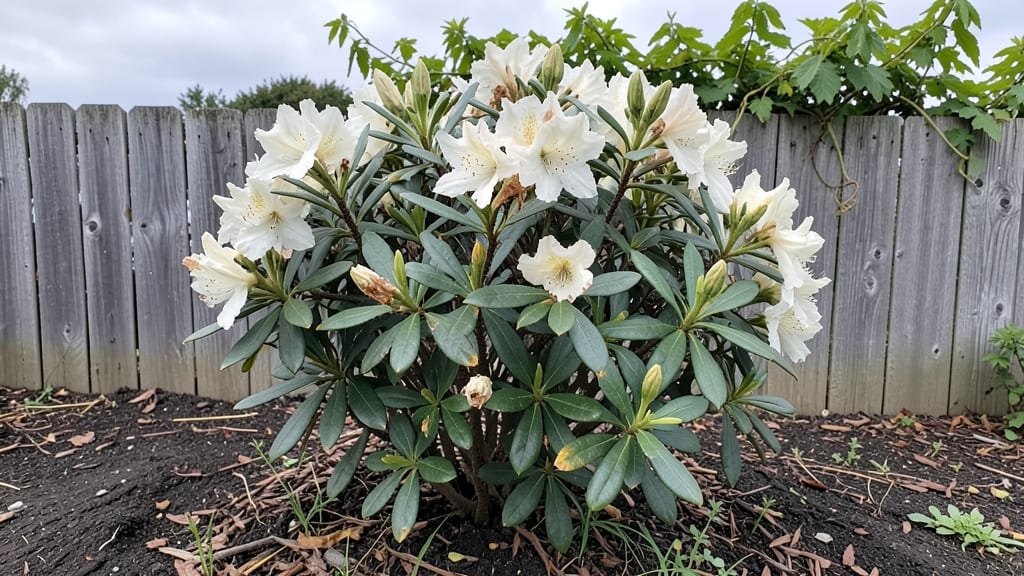
Azalea flower pictures reveal how these 🌸 blooms can turn your garden into a year-round masterpiece, not just a spring highlight.
Picture this: your garden stays vibrant through every season, not just when the azaleas bloom. The secret lies in mixing varieties that stagger their color bursts—early bloomers like 'Kaleidoscope' followed by late-season stars like 'George L. Taber'.
With the right palette, you can create gardens that feel like living art, whether you're going for a romantic cottage vibe or a bold modern statement. I’ll show you how to pair colors and textures for maximum impact.
From seasonal transitions to mood-setting combinations, you’ll discover how to make azaleas the star of every season—without the guesswork.
Seasonal azalea flower palettes: how to choose by bloom time
Creating a seasonally layered azalea garden starts with understanding bloom timing. Early, mid, and late-season varieties ensure continuous color from spring through summer. In USDA zones 6-9, timing shifts slightly—early bloomers emerge in April-May, while late varieties linger until June-July.
This strategic planting prevents color gaps and extends your garden’s visual appeal.
For example, 'Girard’s Pink' (early) bursts into bloom first, followed by 'Kaleidoscope' (mid) with its striking bicolor flowers. 'Bow Bells' (late) closes the season with its elegant, bell-shaped blooms. Each variety thrives in acidic, well-draining soil and partial shade, making them ideal for layered garden designs.
🌸
In USDA zone 6, early bloomers like 'Girard’s Pink' often emerge in late April after frost risk passes. Plant these varieties near patio edges or foundation plantings to enjoy their fragrance up close.
For zone 9, extend the season by adding 'George L. Taber', a late bloomer that thrives in heat and flowers until July.
Layering height and color creates depth. Place taller varieties (5-6 ft) like 'Orange Rocket' at the back, mid-height 'Kaleidoscope' in the middle, and compact 'Hershey’s Pink' (3-4 ft) at the front. This arrangement ensures year-round visual interest, even when some varieties finish blooming.
🌿
For container gardening, choose dwarf varieties like 'Birk’s Pink Surprise' (2-3 ft) to create portable seasonal displays. These thrive in 15-gallon pots with acidic potting mix and morning sun. Move containers to shadier spots during peak afternoon heat to prevent leaf scorch.
Prune azaleas immediately after blooming to shape the shrub and encourage next year’s flowers. Remove spent blooms and crossing branches to improve airflow. In USDA zone 7, apply a 2-inch mulch layer of pine bark to retain moisture and acidify soil naturally.
🪴
To create a monochromatic palette, pair pink azaleas like 'Girard’s Pink' and 'Hershey’s Pink' with silver foliage plants such as heuchera or lamium. For contrasting colors, combine 'Orange Rocket' with blue hostas or purple ferns to make blooms pop.
Always group same-color varieties together for a cohesive look.
🌷
Color psychology in azalea gardens: matching flowers to design moods
Azaleas aren't just beautiful—they're mood enhancers! The right color combinations can transform your garden into a romantic retreat, an energizing workspace, or a calm meditation spot.
Understanding color psychology lets you design with intention. For example, soft pinks like 'Hershey’s Pink' evoke warmth and affection, while vibrant oranges like 'Orange Rocket' spark creativity and enthusiasm.
When selecting azalea varieties, think beyond aesthetics—consider the emotional impact you want. Purples like 'President Roosevelt' create a regal atmosphere, perfect for formal gardens, while whites like 'Weymouth White' symbolize purity and elegance.
Even foliage colors play a role—deep green leaves act as a neutral canvas, while variegated varieties add texture and visual interest.
🌸
Azalea Color Combinations: Design Moods & Pairing Tips
DO: Create Moods with Complementary Colors
- Romance: 'Hershey’s Pink' + 'White Light' (soft pink/white contrast)
- Energy: 'Orange Rocket' + 'Red Dawn' (warm color boost)
- Elegance: 'President Roosevelt' + 'Weymouth White' (purple/white classic)
- Tranquility: 'Girard’s Pink' + 'Blue Sky' (pastel harmony)
DON'T: Overwhelm with Clashing Colors
- Avoid: Too many bright reds near yellows (creates visual tension)
- Skip: Monochromatic schemes (e.g., all purples) without foliage contrast
- Ignore: Light conditions—deep colors need morning sun, light colors thrive in shade
💡 Pro Tip: Use foliage as a neutral bridge between bold colors. For example, pair 'Orange Rocket' with dark green 'Enchantress' foliage to ground the vibrancy.
For contrasting schemes, try pairing cool tones with warm tones—like 'Blue Sky' azaleas next to 'Orange Rocket'. This creates visual drama while maintaining balance. My favorite trick? Use foliage as a neutral backdrop.
Dark green varieties like 'Enchantress' make bright blooms pop, while silver-blue foliage varieties add a modern touch to traditional color palettes.
Don't forget about seasonal transitions. Early spring azaleas like 'Girard’s Pink' set a soft, romantic tone, while late-season varieties like 'Bow Bells' add end-of-summer drama.
Plan your garden in layers—place tall varieties at the back and spreading types like 'Dwarf Fondant' in the front for a balanced visual flow.
Start small by testing color combinations in containers before committing to full garden beds. A mix of 'Hershey’s Pink', 'White Light', and 'Enchantress' in one planter creates a harmonious yet dynamic display.
And remember—lighting matters. Morning sun enhances soft pinks, while afternoon light brings out deep reds.
🌿