
Flowers
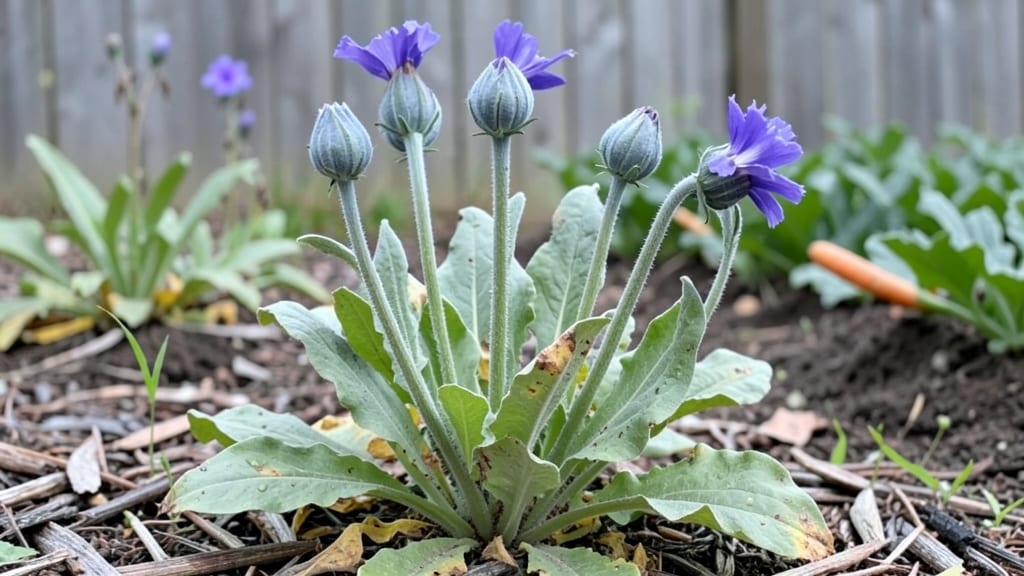
The balloon flower in garden is a hummingbird magnet with its striking trumpet blooms 🌸—perfect for adding color and life to your spring and summer landscape.
If you’ve ever longed for a garden that hummingbirds can’t resist, the balloon flower (Platycodon grandiflorus) is your secret weapon—its trumpet-shaped blooms are packed with nectar and pure visual appeal.
Planting these beauties in USDA Zone 6a is easier than you think, especially when you start in April or May after the last frost. They thrive in full sun and well-drained soil, making them a low-maintenance star for borders or containers.
Discover how to nurture them for continuous blooms from July through September, plus pro tips to keep hummingbirds flocking to your garden all season.
How to grow balloon flowers for maximum hummingbird appeal
The balloon flower (Platycodon grandiflorus) isn’t just a pretty face—it’s a hummingbird magnet. These vibrant, trumpet-shaped blooms produce copious nectar that keeps these tiny birds hovering all day. The key to attracting them lies in replicating their natural habitat: bright sunlight, well-draining soil, and consistent moisture.
Unlike many flowers, balloon flowers thrive in USDA zones 3-8, making them versatile for most gardeners. Plus, their unique balloon-like buds add whimsy to cottage gardens, borders, or even container setups.
To ensure your balloon flowers become a hummingbird hotspot, focus on three pillars: planting location, soil prep, and ongoing care.
I’ve planted these in my own midwest garden, and the difference between a neglected patch and a well-tended clump is night and day—especially when it comes to pollinator traffic. Let’s dive into the step-by-step process that’ll transform your garden into a hummingbird haven.
Step-by-Step Guide to Planting Balloon Flowers
-
Step 1: Choose the Perfect Spot
Select a location with full sun (6+ hours daily)—balloon flowers thrive in bright light but tolerate partial shade (4-6 hours) if you’re in a hotter climate like zone 8+. Avoid deep shade, which reduces blooms and nectar production.
-
Step 2: Prep the Soil
Balloon flowers prefer well-draining, slightly acidic soil (pH 6.0-7.0). Amend heavy clay with compost or sand to prevent root rot. A 2-inch layer of mulch (like shredded bark) helps retain moisture and regulate soil temperature.
-
Step 3: Plant at the Right Time
Plant bare-root tubers or potted plants in early spring (after the last frost, when soil is 50°F+). For container gardening, use pots with drainage holes and a well-draining mix (60% potting soil, 30% perlite, 10% compost).
-
Step 4: Water Deeply and Consistently
Keep soil evenly moist but not soggy. Water deeply 2-3 times per week in summer, reducing to once weekly in fall. Avoid wetting foliage to prevent fungal diseases. Morning watering is ideal to allow leaves to dry before nightfall.
-
Step 5: Fertilize for Nectar-Rich Blooms
Feed with a balanced fertilizer (10-10-10) every 4-6 weeks during spring and summer. Skip fall/winter fertilization to encourage dormancy. For extra nectar production, add a low-phosphorus fertilizer (like 5-5-5) in late summer.
-
Step 6: Prune for Continuous Blooms
Deadhead spent blooms regularly to encourage new flowers. Cut back wilted stems to the base in early fall. In zone 5 or colder, mulch heavily for winter protection. Balloon flowers are perennial, so they’ll return year after year with proper care.
-
Step 7: Add Hummingbird-Friendly Companions
Plant near bee balm, columbine, or salvia to create a pollinator buffet. Avoid heavy feeders like petunias, which can outcompete balloon flowers. A small water feature (like a shallow dish) nearby will attract hummingbirds even more.
One of my favorite tricks is interplanting balloon flowers with catmint. The silver foliage of catmint contrasts beautifully with the vibrant blooms, while both plants attract hummingbirds.
I’ve also noticed that blue varieties (like 'Astra Blue') seem to draw more hummingbirds than white or pink ones—though all colors produce plenty of nectar. Pro tip: If you live in a hot, dry climate, group balloon flowers with drought-tolerant plants like lavender to reduce watering needs.
Balloon flowers are surprisingly low-maintenance once established, but their nectar production peaks with consistent care. I’ve seen gardens where balloon flowers were planted but underwatered or overcrowded, resulting in smaller blooms and fewer hummingbird visits.
The difference between a mediocre patch and a hummingbird hotspot often comes down to these simple adjustments: more sunlight, better soil drainage, and strategic pruning.
For container gardeners, choose compact varieties like 'White Dawn' and ensure pots are at least 12 inches deep. Place containers in south-facing spots and water more frequently, as pots dry out faster.
I’ve even seen balloon flowers thrive in hanging baskets—just use a lightweight potting mix and check moisture daily in summer.
If you’re planting in late summer or fall, opt for potted plants instead of bare-root tubers, as they’ll have an easier time establishing roots before winter.
In my zone 6 garden, I’ve had success planting in early September, giving the roots time to settle before the first frost. Just remember: balloon flowers need time to root before cold sets in.
Finally, avoid chemical pesticides—even neem oil can deter hummingbirds. Instead, use soapy water sprays or introduce ladybugs for aphid control. Hummingbirds are sensitive to strong scents, so skip fragrant companion plants like roses or lavender if you’re prioritizing pollinators over aesthetics.
With these steps, your balloon flowers will burst into nectar-rich blooms that hummingbirds can’t resist. Trust me, once you see these tiny birds dipping and darting around your garden, you’ll wonder why you didn’t plant them sooner! 🌸
Balloon flower varieties that attract the most hummingbirds
Choosing the right balloon flower variety can turn your garden into a hummingbird hotspot. These nectar-rich blooms aren’t just pretty—they’re irresistible to pollinators. The key lies in selecting cultivars with bright colors, long bloom times, and high nectar production.
My top picks include 'Astra Blue', 'White Dawn', and 'Royal Crown', each offering unique benefits for your climate and garden style.
Hummingbirds are drawn to vibrant colors like blue, purple, and pink, but they also love white varieties that stand out against foliage. The bloom season matters too—some varieties flower earlier, while others bloom late into fall.
For continuous nectar, I recommend mixing early, mid, and late-season varieties in your garden. Let’s dive into the best options and how to choose what works for your USDA hardiness zone.
| Variety | Color | Bloom Time | Nectar Production | Best For |
|---|---|---|---|---|
| Astra Blue | Deep blue | Mid to late summer | Very high | Zones 3-8, borders |
| White Dawn | Pure white | Early to mid summer | High | Zones 4-9, containers |
| Royal Crown | Pink-purple | Late summer to fall | Moderate | Zones 5-8, pollinator gardens |
'Astra Blue' is my go-to for hummingbird magnets because its deep blue blooms are irresistible. It thrives in full sun and produces continuous flowers from mid-summer to frost. If you’re in USDA zones 3-8, this variety is perfect for border plantings or mixed flower beds. For early blooms, 'White Dawn' is a standout—its pure white flowers contrast beautifully with green foliage and attract hummingbirds as soon as it opens in early summer.
For late-season interest, 'Royal Crown' delivers with its pink-purple blooms that keep hummingbirds visiting well into fall. This variety is ideal for pollinator gardens in zones 5-8 and pairs well with salvias or bee balm.
If you’re in a cooler climate, like zone 4 or below, consider 'White Dawn'—it’s more cold-hardy and will reward you with early nectar when other flowers are still dormant.
To maximize hummingbird activity, plant your balloon flowers near feeding stations or water sources. Avoid heavy pruning after blooms fade, as dead flowers can provide shelter for insects that hummingbirds eat.
If you’re in a hot, dry climate, like zones 9-11, opt for 'Astra Blue'—it tolerates heat better than other varieties and keeps blooming longer. For container gardening, 'White Dawn' is my top pick because it stays compact and thrives in well-draining soil.
Remember, the key to success is diversity. Mixing early, mid, and late-season varieties ensures continuous blooms and keeps hummingbirds visiting from spring to fall. Start with 3-5 plants of each variety for a balanced display, and don’t forget to deadhead spent blooms to encourage more flowers.
With the right balloon flower varieties, your garden will become a hummingbird haven in no time! 🌸