
Plants
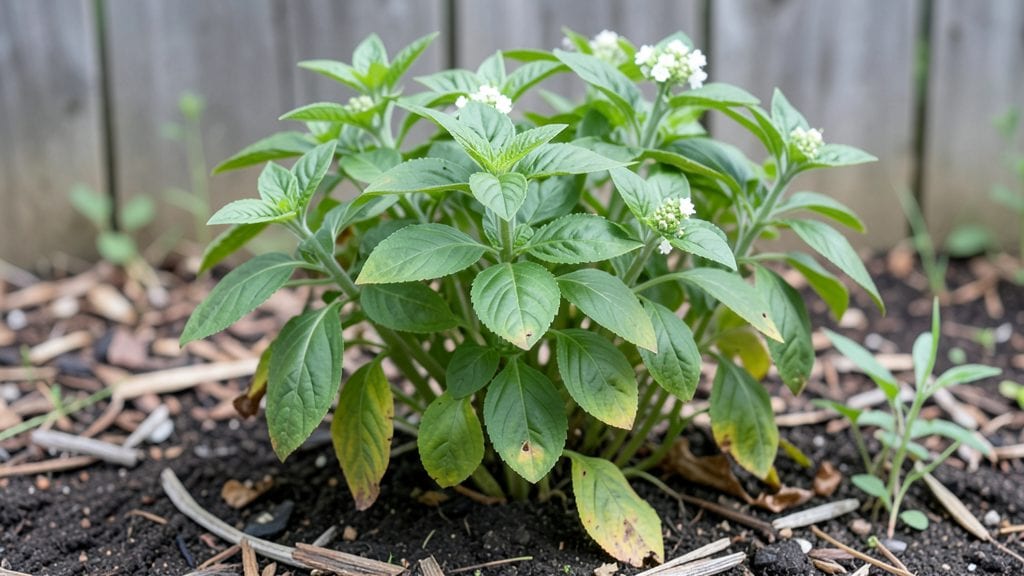
When basil has flowered, it signals the plant is shifting from leaf production to seed development, causing bitter leaves and stunted growth. Prune flowers immediately to redirect energy back to foliage and extend harvest time.
Flowering basil isn’t just a cosmetic issue—it’s a biological signal that your plant is prioritizing reproduction over growth. Once those tiny buds form, the plant diverts energy toward seed production, leaving your leaves bitter and your stems woody. 🌱 The good news?
With quick action, you can reverse this shift by cutting back the flowers and giving the plant a fresh start. Think of it like hitting a reset button on your basil’s life cycle.
Timing matters most here: the sooner you act, the more likely your plant will bounce back. I’ve seen basil recover beautifully after pruning, especially when paired with brighter light and a balanced fertilizer.
The key is patience—don’t expect overnight miracles, but with the right care, you’ll be harvesting fresh leaves in just a few weeks. It’s all about understanding that plant’s natural instincts and working with them, not against them.
💡 In This Article
- Why Flowering Basil Ruins Your Harvest
- Step-by-Step Basil Flower Recovery Guide
Why flowering basil ruins your harvest
When basil flowers, it’s not just a pretty sight—it’s a biological emergency for your harvest. The culprit is florigen, a plant hormone produced in response to specific light and temperature cues.
As daylight hours lengthen (typically above 14 hours of light) or when nighttime temperatures drop below 65°F, basil’s growth switches from vegetative to reproductive mode. This hormonal shift triggers the plant to prioritize seed production over leaf growth, which is why your once-tender leaves suddenly taste bitter and woody.
The flavor decline happens because flowering basil redirects its energy toward developing flowers and seeds.
The essential oils that give basil its signature sweet, anise-like aroma (like eugenol and linalool) decrease by up to 40% during this phase. 🌿 What’s worse, the plant’s metabolic focus shifts from producing soft, flavorful leaves to creating hard, fibrous stems that support the flower clusters.
This is why your basil may also appear stunted or leggy—it’s literally growing in the wrong direction.
Light exposure is the primary trigger for this process. Basil is a short-day plant, meaning it flowers in response to longer daylight periods. If your plant receives more than 12-14 hours of light daily, it will start flowering within 4-6 weeks.
Temperature also plays a role: cooler nights (55-60°F) accelerate the process, while consistent warmth (70-75°F) can delay it. This is why indoor basil often flowers prematurely—artificial grow lights can trick the plant into thinking it’s summer, even when it’s not.
The bitterness you taste comes from increased production of sesquiterpene lactones, compounds that act as natural pesticides to protect the developing seeds. These compounds are harmless but ruin the delicate balance of flavors that make basil so versatile in cooking.
For example, a fresh Genovese basil leaf contains about 0.5% essential oils, but once flowering begins, that number can drop to just 0.1-0.2%, making it taste more like the back of your hand than a fragrant herb.
Beyond flavor, flowering accelerates the plant’s natural aging process. Basil is an annual, meaning it’s designed to complete its life cycle in one growing season. Once it starts flowering, the plant’s overall lifespan shortens as it diverts resources toward reproduction.
This is why flowering basil often becomes more susceptible to pests and diseases—its immune system is weakened by the energy drain. 🌱 The good news? You can interrupt this cycle by pruning the flowers, which sends a signal to the plant that it’s not yet time to reproduce.
Here’s what’s happening at the cellular level: When you remove the flower buds, the plant’s apical dominance shifts. Instead of growing upward toward the flowers, energy flows back into the axillary buds (the small buds at the leaf joints), encouraging new leaf growth.
This is why pruning flowering basil isn’t just about aesthetics—it’s a biological reset button that can restore your plant’s productivity for another 4-8 weeks, depending on the variety.