
Flowers
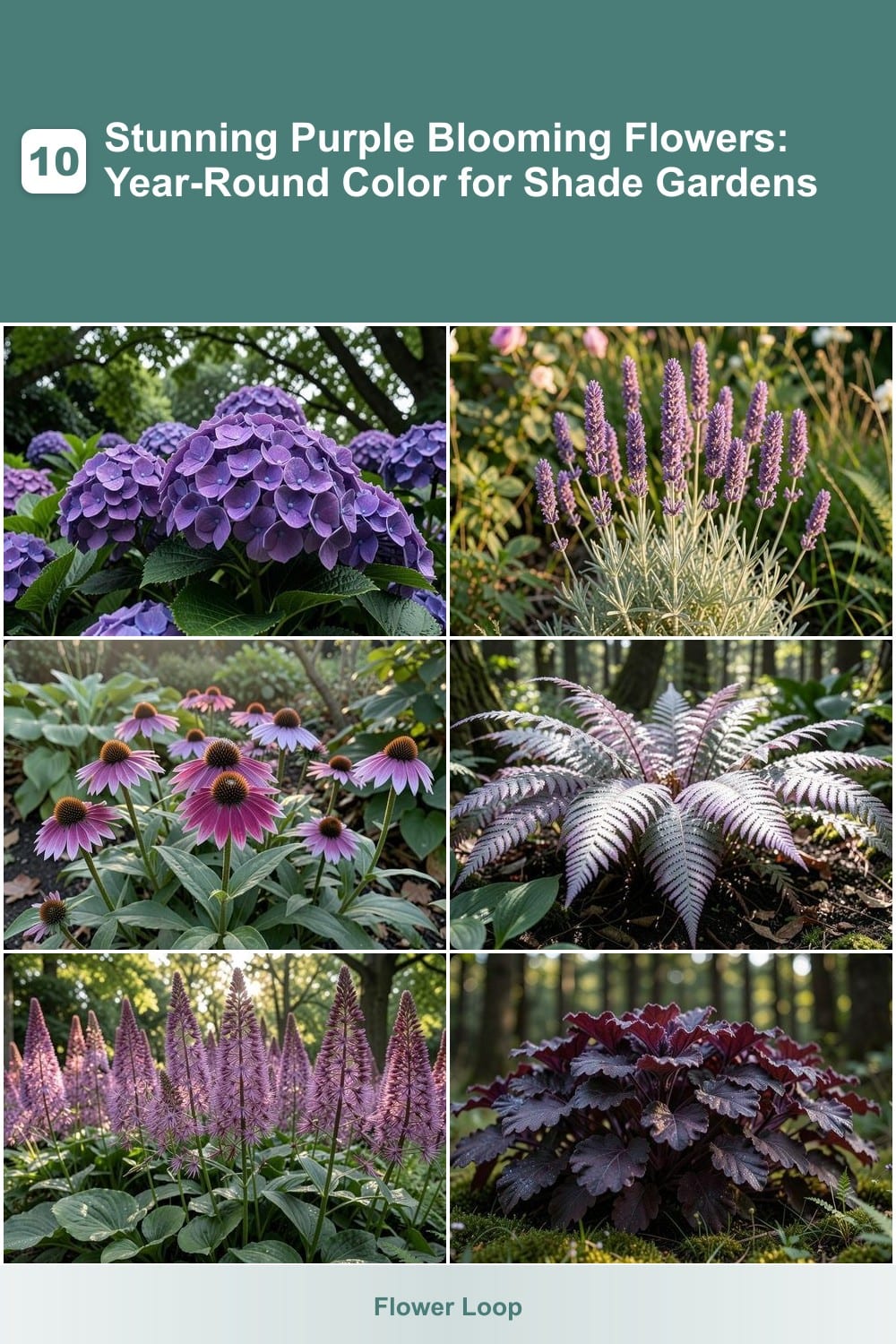
Transform your shade garden into a vibrant purple paradise with these 10 stunning blooming flowers. Perfect for low-light areas, these varieties offer year-round color, fragrance, and pollinator support while thriving in cooler, less sunny conditions.
Royal Purple Hydrangeas
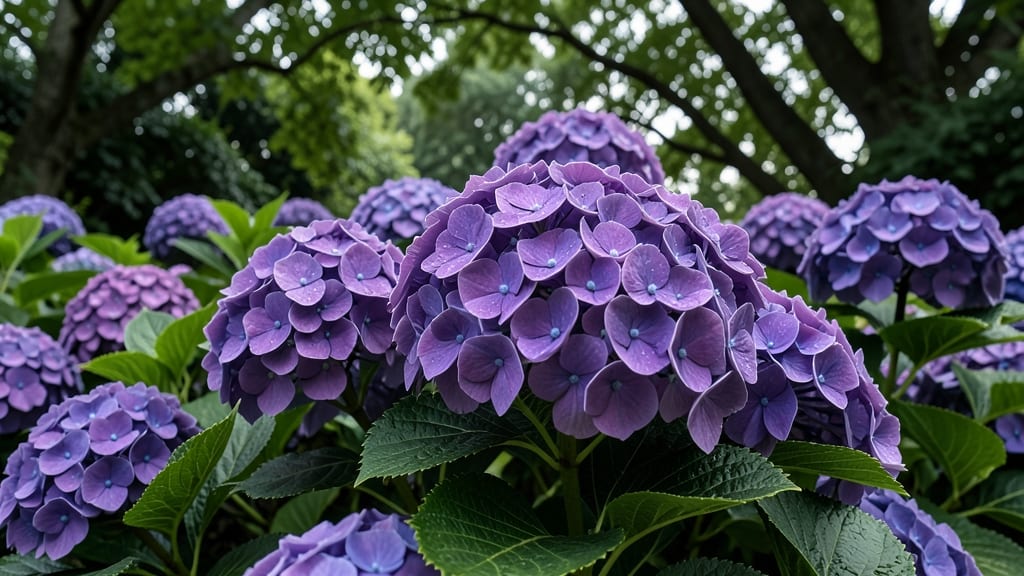
If you crave dramatic color in your shade garden without the fuss, Royal Purple Hydrangeas are your answer. These stunners produce football-sized blooms in rich, velvety purple that dominate any garden space—no sunlight required!
Thriving in partial to full shade, they bloom from mid-summer through fall with zero effort. Simply water weekly (more in extreme heat) and feed with acidic fertilizer in spring. Their large clusters (up to 12 inches wide!) make them perfect for focal points, hedges, or cutting gardens. Prune spent blooms in late winter to encourage next year’s show.
Best for gardeners who want low-maintenance impact—these hydrangeas reward patience with months of bold color while attracting butterflies. 🌻
Lavender Hyssop Flowers
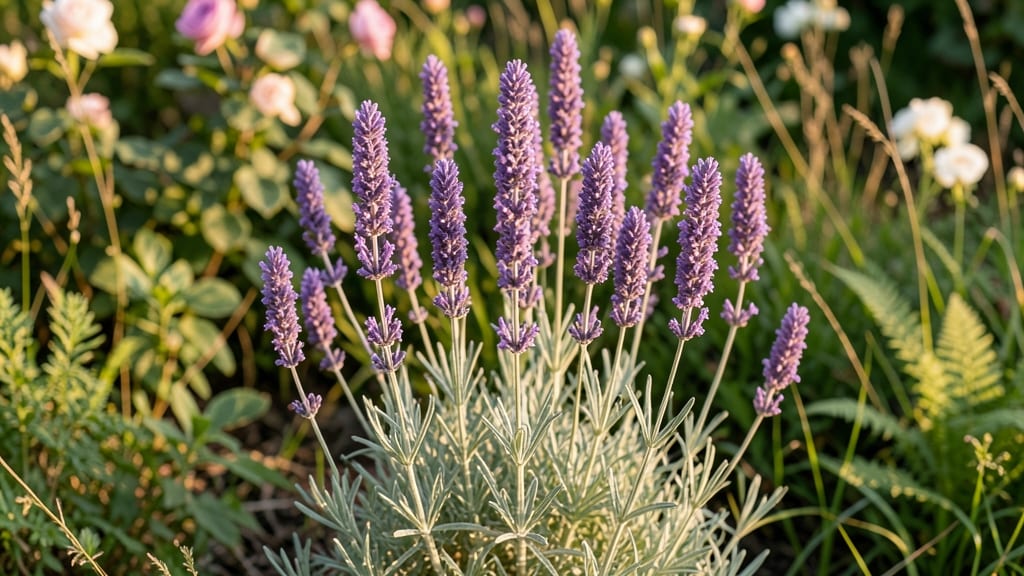
If you love the charm of cottage gardens but struggle with watering demands, lavender hyssop is your secret weapon. This drought-tolerant beauty thrives in partial shade to full sun while producing fragrant purple spikes that bloom from midsummer through fall.
Native to North America, lavender hyssop (Agastache foeniculum) attracts bees, butterflies, and hummingbirds with its nectar-rich flowers. Plant it in well-draining soil and water sparingly—once established, it requires little care. Its silver-green foliage adds texture, while the blooms dry beautifully for winter arrangements.
Perfect for pollinator gardens or as a border plant, this hardy perennial brings both color and life with minimal effort. 🌻
Purple Coneflowers
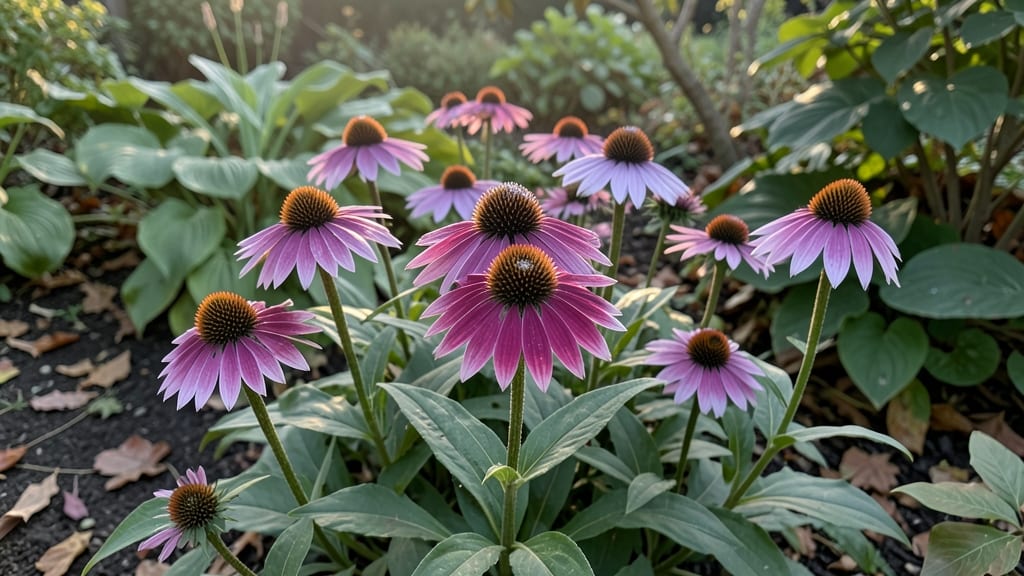
If you're looking for a low-maintenance purple bloomer that keeps your garden vibrant well into autumn, purple coneflowers (Echinacea purpurea) are the unsung heroes of shade gardens. Unlike many shade plants that fade by early fall, these native perennials burst with daisy-like blooms from mid-summer until the first frost, offering a dramatic late-season punch.
Thriving in partial shade (3-6 hours of sunlight), they’re adaptable to various soil types and drought-tolerant once established. Their golden centers contrast beautifully with petals ranging from lavender to deep purple, while their upright stems add vertical interest. Even better? They’re a pollinator magnet, attracting bees, butterflies, and birds—making them a wildlife-friendly choice that keeps your garden buzzing long after other flowers have faded.
Perfect for beginner gardeners or those with limited space, purple coneflowers grow 2-4 feet tall and spread 1-2 feet wide, making them ideal for borders, wildflower meadows, or even container gardens. Their resilience and long bloom time ensure they’ll be your go-to for year-round purple impact. 🌻
Japanese Painted Ferns
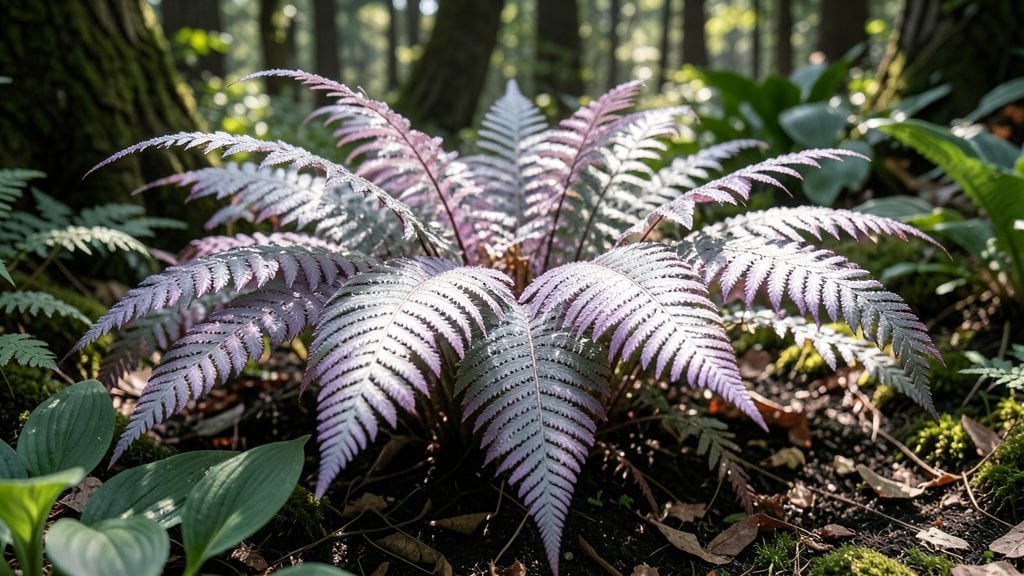
While most shade gardens focus on blooming purple flowers, Japanese painted ferns (Athyrium niponicum var. pictum) bring a completely different kind of magic—silvery-purple fronds that shimmer like stained glass in dappled light. Unlike flowering plants, this deciduous perennial delivers year-round interest with its delicate, lacy foliage that turns bronze in autumn, making it a standout even when blooms fade.
Thriving in woodland gardens or understory plantings, these ferns prefer moist, well-draining soil and partial to full shade, with their purple undersides adding depth when planted in clusters. They’re low-maintenance but benefit from a thin layer of mulch to retain moisture and suppress weeds. Perfect for gardeners who love texture over blooms, they pair beautifully with purple hostas or heuchera for a cohesive shade palette.
Ideal for beginners or those seeking fragrant-free foliage, Japanese painted ferns offer four-season interest without the upkeep of flowering plants. Their ethereal presence transforms shady corners into enchanting woodland retreats. 🌿
Purple Astilbe Varieties
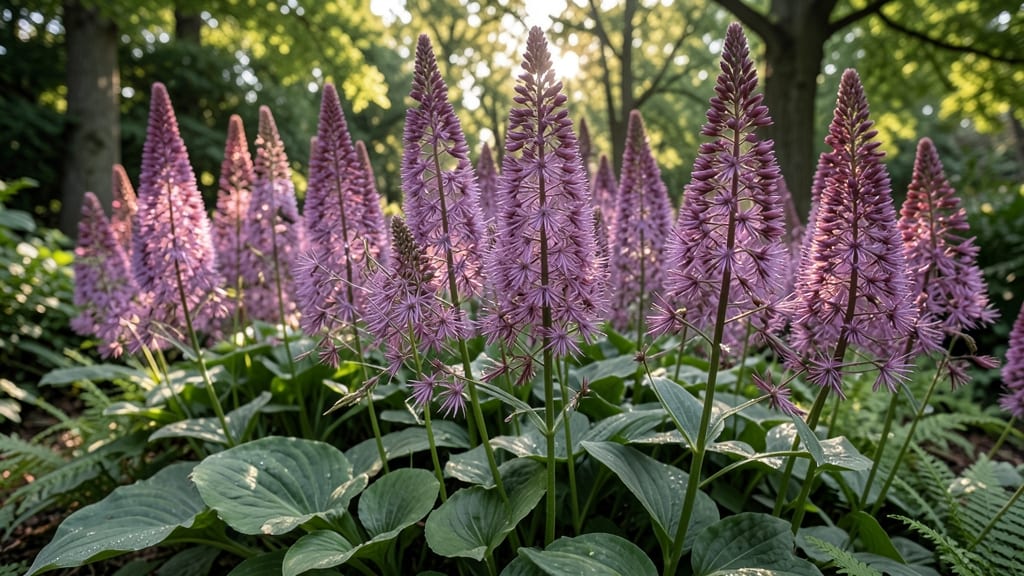
Want to add dramatic vertical interest to your shade garden without sacrificing color? Purple astilbe varieties deliver feathery plumes in deep purple, pink, and burgundy hues that dance in the slightest breeze—ideal for borders, containers, or woodland gardens.
These moisture-loving perennials thrive in partial to full shade and moist, well-draining soil, making them perfect for understory plantings or near ponds. With bloom seasons stretching from late spring to early fall, they outlast many annuals while requiring minimal care—just keep the soil consistently damp. Varieties like 'Purple Prince' or 'Fandango' offer striking contrasts, while 'Bridal Veil' adds airy texture.
Perfect for urban gardeners with limited space or beginners craving low-maintenance drama, astilbes pair beautifully with hostas and ferns for layered shade gardens. Their pollinator-friendly blooms also attract butterflies, adding extra life to your garden. 🌻
Heuchera Coral Bells
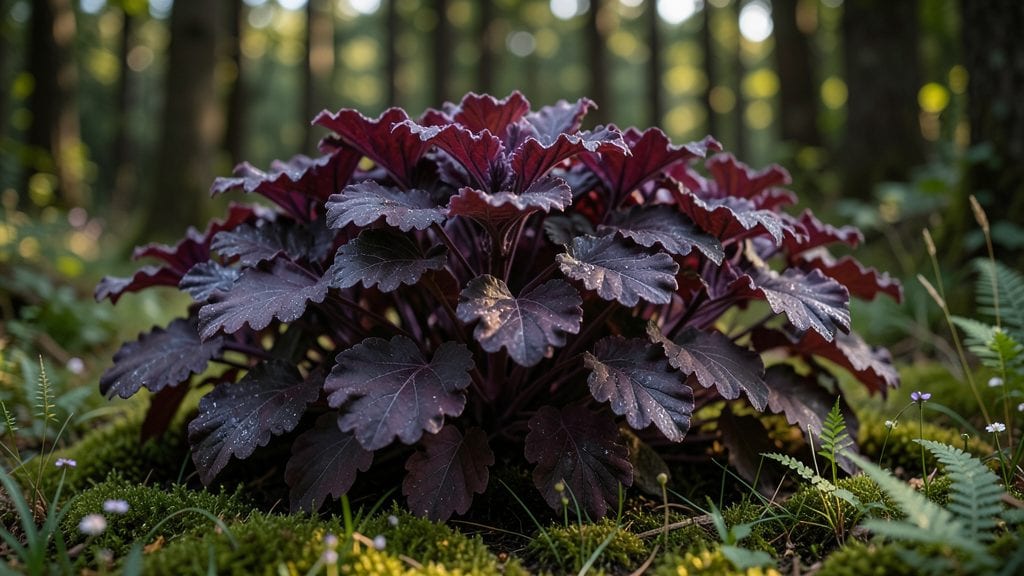
Tired of shade gardens that fade into green monotony? Heuchera Coral Bells (also called alum root) are the game-changers you’ve been missing—offering year-round deep purple foliage that outshines any blooming flower. Unlike their flowering counterparts, these perennials deliver bold color from spring through winter, even when other plants sleep.
The secret to their success? Plant them in partial to full shade with well-draining soil—they thrive in containers or garden beds alike. Varieties like 'Palace Purple' or 'Plum Pudding' boast velvety leaves that darken in cooler weather, while 'Lime Rickey' adds a variegated twist. Their low-growing habit (12-18 inches tall) makes them ideal for ground cover under trees or as edging, suppressing weeds while adding drama.
Best for urban gardeners, small-space enthusiasts, or anyone craving zero-fuss foliage—these plants reward patience with months of color and require only occasional watering once established. Pair them with hostas or ferns for a purple-dominated shade retreat that never goes out of style. ✨
Purple Hostas
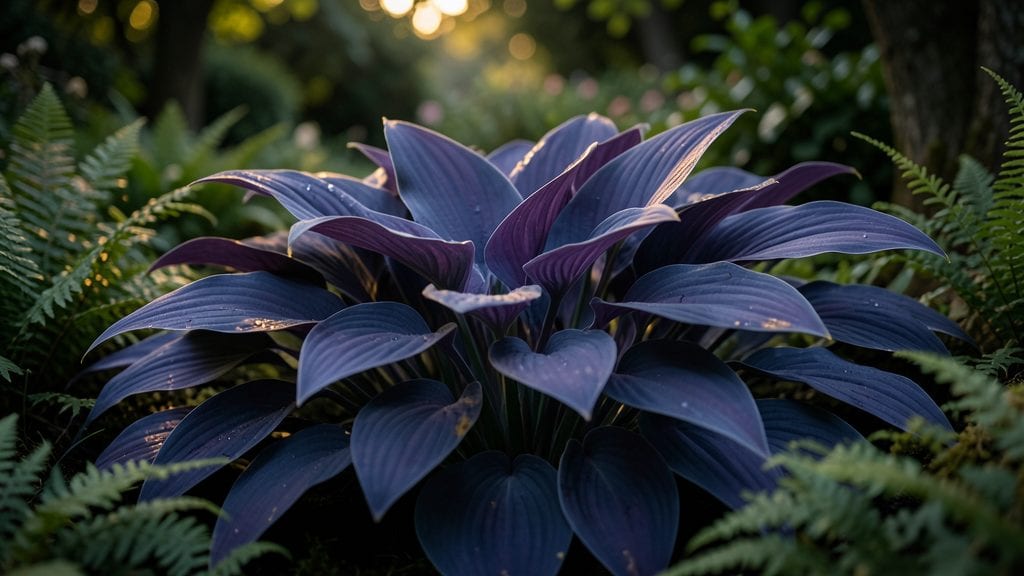
If your shade garden feels a little flat, purple hostas are the bold statement you’ve been missing. Unlike blooming flowers that fade, these glossy, deep purple leaves create a lush, evergreen backdrop that steals the show year-round—no flowers required!
Hostas like ‘Blue Angel’ or ‘Halcyon’ thrive in full to partial shade and moist, well-draining soil, making them perfect for understory plantings or as dramatic borders. Their large, sword-like leaves (up to 2 feet wide!) cast dappled shade on garden paths, while their glossy texture adds depth to any design. For extra drama, pair them with white or silver foliage (like lamb’s ear) to make the purple pop even more.
Best for gardeners who love low-maintenance foliage with high impact, hostas are deer-resistant and thrive in USDA zones 3-9. Their year-round presence ensures your shade garden stays vibrant even when blooms are gone. 💚
Purple Lungwort Flowers
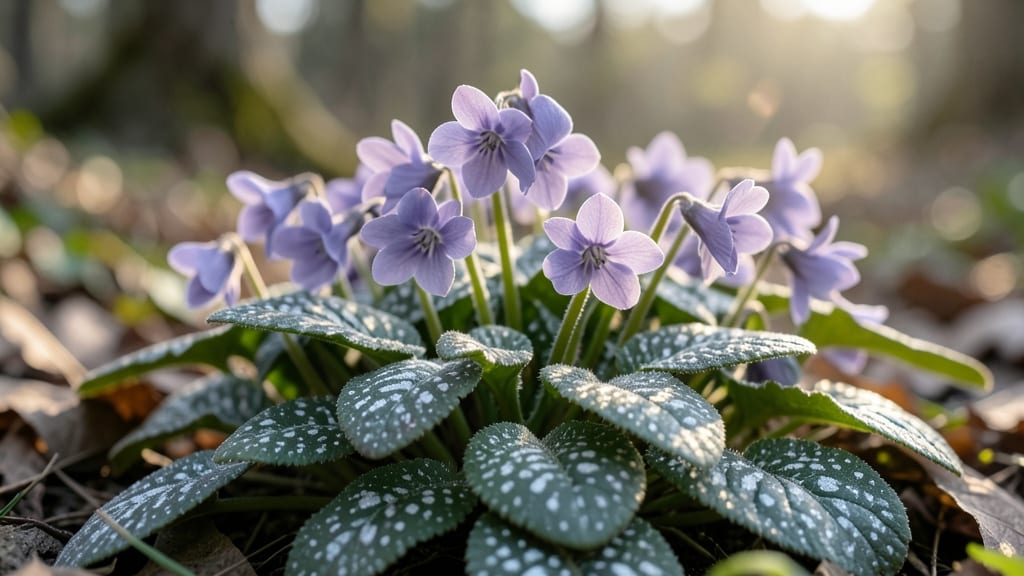
Looking for a purple blooming flower that’s as fascinating as it is functional? Purple lungwort (Pulmonaria spp.) delivers two-season color—delicate purple blooms in early spring followed by silver-spotted foliage that stays striking until fall. This medicinal perennial (historically used for lung ailments) thrives where others struggle, making it a secret weapon for cottage gardens or woodland edges.
Plant lungwort in dappled shade to full shade, where its hairy, silver-speckled leaves create a striking contrast against mossy ground. The blooms appear before most perennials, offering early pollinator support (bees adore them!), while the foliage remains ornamental long after flowering. Deadhead spent blooms to encourage a second flush, and divide clumps every 3-4 years to keep them vigorous. Mulch lightly to retain moisture—this plant loves humidity but hates soggy roots.
Perfect for herb gardeners, woodland enthusiasts, or those craving low-maintenance charm, lungwort pairs beautifully with hostas, ferns, or bleeding hearts for a lush, layered look. Its dual-season appeal and healing history make it a standout for gardeners who love plants with both beauty and purpose. 🌿
Purple Clematis Vines
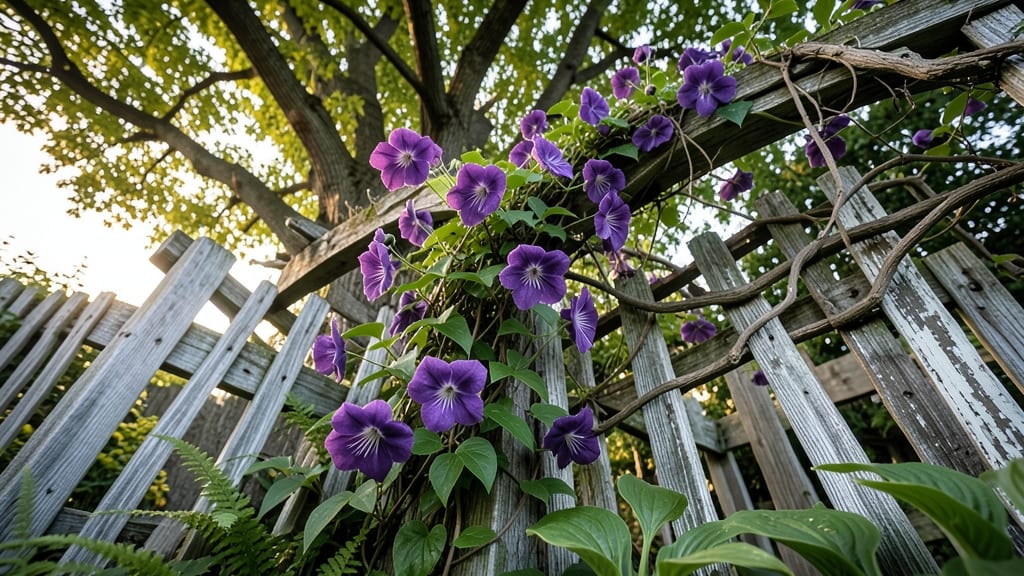
Looking to add vertical drama to your shade garden without sacrificing color? Purple clematis vines are the perfect solution—these climbing perennials produce large, show-stopping blooms in deep violet hues that thrive in partial shade, making them ideal for trellises, arbors, or even fences in low-light areas.
Unlike sun-loving clematis varieties, purple clematis (like Clematis 'Jackmanii' or Clematis montana) flourish with just 3-6 hours of sunlight daily, producing blooms from late spring through summer. Plant them near a sturdy support structure and ensure the base of the vine stays shaded (to protect the roots), while the top gets filtered light. Deadhead spent blooms to encourage more flowers, and mulch around the base to retain moisture—these vines are surprisingly drought-tolerant once established.
Best for gardeners with limited sunlight but plenty of vertical space, purple clematis adds romantic, old-world charm to pergolas, trellises, or even balcony railings. Their fragrant blooms also attract hummingbirds, making them a dual-purpose star for both beauty and pollinators. 🌷
Purple Sweet Woodruff
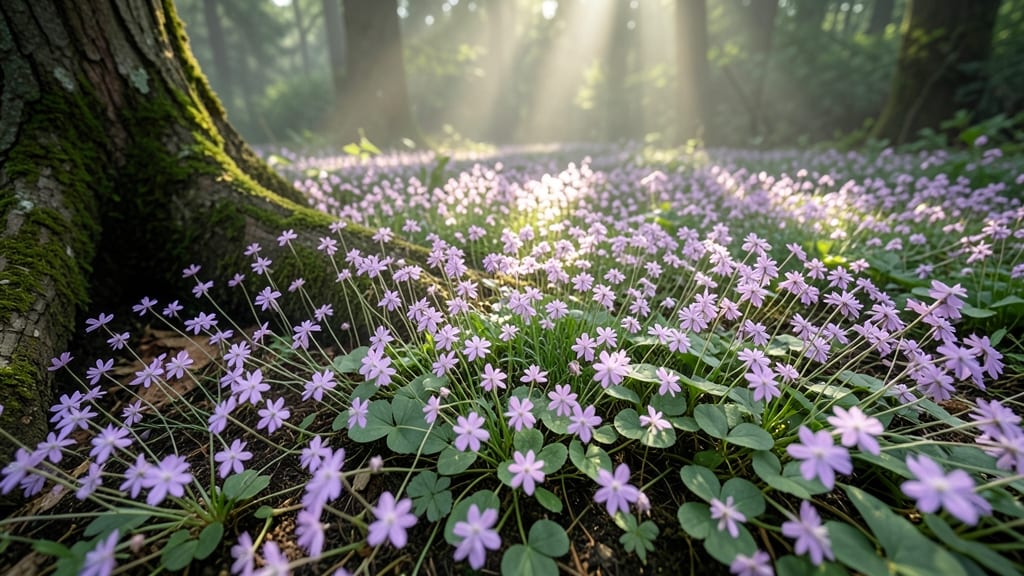
If you’ve ever struggled to fill those tricky, shady spots under trees or along garden edges, purple sweet woodruff (Galium odoratum) is your secret weapon—a fragrant, spreading ground cover that thrives where others fail. Unlike bold bloomers, this delicate perennial delivers tiny star-shaped purple flowers in late spring, followed by a heavenly vanilla-cucumber scent that lingers when brushed against leaves.
Plant it in partial to full shade with moist, well-draining soil, and watch it spread gracefully over time, forming a lush carpet that suppresses weeds. It’s perfect for woodland gardens, fairy gardens, or as a living mulch—even tolerating light foot traffic. For extra magic, pair it with hostas or ferns to create a dreamy understory effect.
Best for gardeners who love low-maintenance, fragrant solutions, purple sweet woodruff is deer-resistant and spreads effortlessly, making it ideal for urban gardens, cottage-style beds, or even container edges. Its subtle charm turns overlooked spaces into enchanting retreats. 🌿