
Vegetables
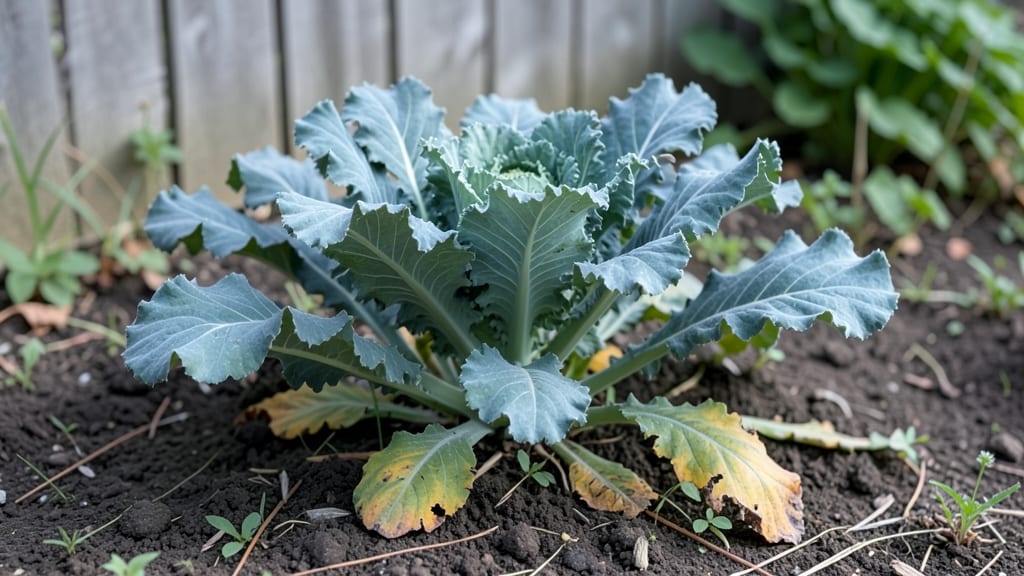
Growing ornamental flowering kale 🌿 is the secret to a garden that stays dazzling long after summer fades.
Picture this: your yard bursting with jewel-toned leaves in October when most plants are already asleep for winter. That’s the magic of this cold-hardy plant, which turns your space into a living work of art with minimal effort.
Unlike its edible cousin, this variety prioritizes show-stopping colors over harvests—though you can still snip a few leaves for salads if you’re feeling generous.
But here’s the catch: timing is everything. Plant too late, and you’ll miss the deep purples, pinks, and whites that make it so special. Too early, and it bolts before the frost sweetens the flavors.
The sweet spot? August through September, when temperatures are still warm enough for quick growth but cool enough to trigger those stunning color changes.
In this guide, I’ll walk you through the exact steps to grow ornamental flowering kale—from picking the perfect spot to keeping it thriving until the first hard frost.
Whether you’re filling containers or dressing up garden beds, you’ll learn how to coax out those vibrant hues and avoid the three biggest mistakes that kill its ornamental appeal.
How to grow ornamental flowering kale for stunning year-round color
Ornamental flowering kale is my secret weapon for adding bold color to gardens when most plants fade into dormancy. This cold-hardy annual thrives in fall and winter, delivering vibrant hues of purple, pink, and white that last until spring.
Whether you're working with container gardens or garden beds, its crinkled, decorative leaves bring texture and drama to any space.
What makes this plant so special is its ability to adapt to containers, making it perfect for patios, balconies, or small urban gardens. Unlike traditional kale, ornamental varieties focus on visual appeal rather than edibility, though you can still harvest leaves for salads.
With the right soil prep, sunlight exposure, and seasonal care, you can enjoy its stunning foliage for months.
To get started, focus on well-draining soil mixed with compost for nutrients. Ornamental kale prefers slightly acidic to neutral soil (pH 6.0-7.0), so test your soil before planting. If your garden soil is heavy clay, amend it with sand or coconut coir to improve drainage.
For containers, use a high-quality potting mix with perlite or vermiculite to prevent root rot.
When selecting a planting location, prioritize full sun exposure for the most vibrant colors. While kale can tolerate partial shade, especially in hot climates, it won’t develop its signature hues without at least 6 hours of sunlight daily.
In containers, place them on a south-facing patio or balcony to maximize light exposure.
Watering is straightforward but critical. Aim for a deep soak every 3-5 days, ensuring the top inch of soil dries out between waterings. Containers dry out faster, so check moisture levels daily in hot weather.
Water in the morning to reduce fungal risks and allow leaves to dry quickly. Avoid overhead watering, which can cause leaf spot diseases.
For seasonal care, ornamental kale is low-maintenance but benefits from a light fertilizer in early fall. Use a balanced 5-10-10 NPK fertilizer to encourage lush growth. Apply it in the morning after watering to prevent root burn.
In late fall, reduce watering slightly but keep the soil moist to prepare plants for winter dormancy.
One of my favorite tricks for extending the season is to mulch around the base with straw or shredded leaves. This insulates roots from temperature fluctuations and retains moisture. In containers, add a 1-inch layer of mulch and wrap pots in bubble wrap during extreme cold snaps to protect roots.
If you’re growing ornamental kale in containers, choose varieties with compact growth habits, like '
Best varieties of ornamental flowering kale for containers and gardens
Choosing the right ornamental flowering kale variety can turn your garden into a winter wonderland of vibrant colors. These cold-hardy beauties thrive in containers and garden beds, offering year-round interest with minimal effort.
Whether you love bold purples, soft pinks, or striking blues, there's a variety perfect for your space and style. Let's dive into the top 5 varieties ranked by color intensity, cold hardiness, and growth habits to help you make the best selection.
Ornamental flowering kale isn't just about aesthetics—it's also low-maintenance and versatile. These varieties adapt well to container gardening, making them ideal for balconies, patios, and small yards. Plus, their edible leaves add a bonus nutritional punch to salads or smoothies.
Below, we'll compare the most popular varieties so you can pick the perfect fit for your garden's personality and your growing conditions.
Russian Red is my top pick for bold winter color. Its deep purple-red hue stands out against snow or evergreens, making it perfect for containers on patios or as a garden focal point. This variety thrives in full sun to partial shade and handles freezing temperatures like a champ, down to USDA Zone 3. For maximum impact, pair it with silver foliage plants like dusty miller for a striking contrast.
If you're working with limited space, Dwarf Blue Curled is a game-changer. Its compact size (8-12 inches) makes it ideal for window boxes, hanging baskets, or small pots. The vibrant blue-green leaves add a cool-toned pop to warm-colored gardens.
This variety also tolerates light frost, so it stays lush and colorful well into winter. Just ensure it gets at least 4 hours of sunlight daily to maintain its brightest colors.
For a softer, more romantic look, Pink Frost is my go-to. Its delicate pink-purple leaves add a whimsical touch to garden beds and container arrangements. This variety is slightly less cold-hardy than others but still thrives in Zone 5.
It’s perfect for mixed borders or cottage-style gardens. To keep it healthy and vibrant, mulch around the base with straw or shredded leaves to protect roots from temperature fluctuations.
Looking for contrast and texture? Winterbor delivers with its creamy white leaves edged in purple veins. This variety is exceptionally cold-hardy, surviving down to Zone 3, making it a reliable choice for northern gardens.
Its unique coloration pairs beautifully with deep reds, burgundies, or greens. For containers, mix it with evergreen shrubs like boxwood or heather to create a year-round stunning display.
Lastly, Black Magic is the dramatic dark horse of ornamental kale. Its deep purple-black leaves create a moody, sophisticated vibe that’s perfect for shady gardens or woodland settings. This variety handles partial shade well and is hardy to Zone 4.
To enhance its rich color, plant it near silver or chartreuse foliage to make the dark leaves pop. It’s also