
Trees
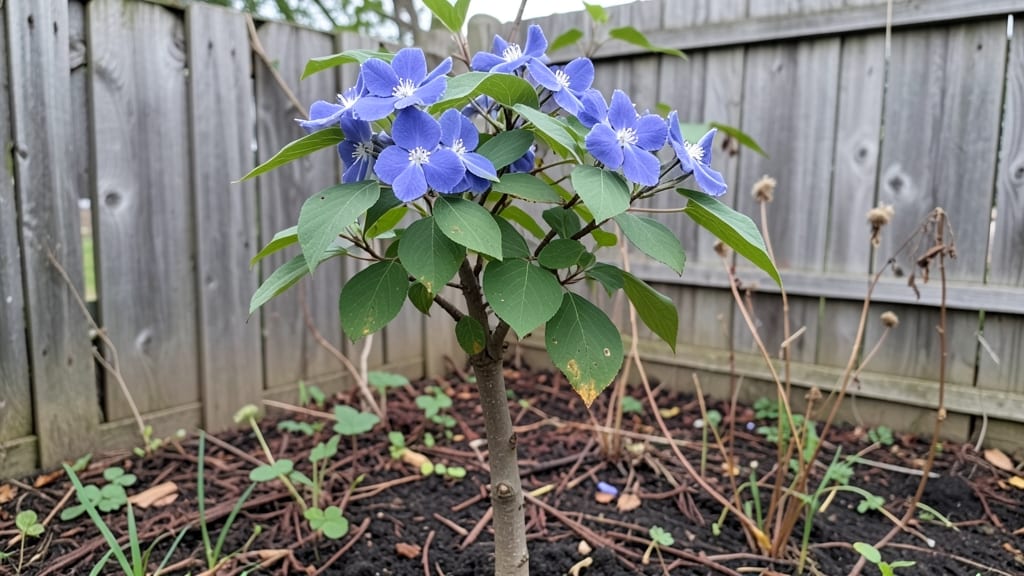
Blue dogwood flowers 🌸 steal the show in spring with their cool blue blooms, but keeping them vibrant year-round takes more than just planting them in the right spot.
If you’ve ever admired those striking blue dogwood flowers in spring but wondered why they seem to disappear for most of the year, the secret lies in strategic pruning—transforming your dogwood into a year-round showstopper.
This isn’t just about trimming back dead branches; it’s about understanding the right timing, tools, and techniques to encourage lush, healthy growth while keeping those signature blue flowers popping.
In this guide, I’ll walk you through the exact steps to prune your blue dogwood for maximum blooms, avoid common mistakes that kill flower production, and even compare top varieties to help you pick the perfect one for your garden.
When and how to prune blue dogwood flowers for maximum blooms
Your blue dogwood flowers burst into vibrant color each spring, but without proper pruning techniques, they can lose their luster and structure.
The key to year-round stunning blooms lies in understanding the optimal pruning timing—whether to prune in late winter or early spring—and using the right tools and methods. Pruning isn't just about cutting back; it's about encouraging healthier growth and longer-lasting flowers.
Many gardeners make the mistake of pruning at the wrong time, which can reduce next year's blooms or even harm the plant. For blue dogwood shrubs, timing is everything. The best approach depends on whether you're dealing with new growth or established branches.
I’ve learned through experience that a seasonal pruning calendar keeps my dogwoods thriving year after year, ensuring those vibrant blue flowers return every spring.
Step-by-Step Pruning Guide for Blue Dogwood Flowers
-
Step 1: Choose the Right Time
Prune your blue dogwood in late winter (just before buds swell) or early spring (right after blooming). Avoid pruning in fall, as this can stimulate new growth that won’t harden off before winter. -
Step 2: Gather Your Tools
Use clean, sharp pruners or loppers for branches thicker than ½ inch. Disinfect tools with rubbing alcohol to prevent spreading disease. A hand saw may be needed for thicker branches. -
Step 3: Remove Dead or Damaged Branches
Start by cutting out any dead, diseased, or crossing branches. These can weaken the plant and reduce flower production. Make cuts at a 45-degree angle just above a bud or side branch. -
Step 4: Thin Out Overcrowded Areas
Look for overcrowded branches that block light or air circulation. Remove 1/3 of the oldest stems at the base to encourage new growth and larger blooms. Focus on branches growing inward. -
Step 5: Shape the Shrub
Lightly shape the blue dogwood to maintain its natural form. Avoid heavy pruning, as this can reduce next year’s flowers. Aim for an open, airy structure that allows sunlight to reach all branches. -
Step 6: Fertilize After Pruning
Apply a balanced fertilizer (10-10-10) to replenish nutrients lost during pruning. Water deeply to help the plant recover. Avoid fertilizing in late summer or fall, as this can stimulate tender growth before winter. -
Step 7: Mulch and Water
Add a 2-3 inch layer of mulch around the base to retain moisture and regulate soil temperature. Water deeply to encourage root growth. Avoid wetting the foliage to prevent fungal diseases.
One of the most common questions I hear is whether to prune blue dogwoods in spring or fall. The answer is never in fall—this can leave your plant vulnerable to winter damage and disease.
Instead, focus on late winter pruning to remove dead wood and shape the shrub before new growth begins. This timing ensures your dogwood has plenty of time to recover and bloom in spring.
If your blue dogwood flowers seem sparse or pale, it might be time to reassess your pruning habits. Over-pruning can stress the plant and reduce flower production, while under-pruning can lead to overcrowded branches and weaker blooms.
The goal is to strike a balance—keeping the shrub healthy, open, and well-lit while encouraging vibrant blue flowers.
For young blue dogwoods, focus on light pruning to establish a strong structure. Remove any suckers or water sprouts that emerge from the base or along the stems. These can drain energy from the main plant and reduce flowering.
As your dogwood matures, you’ll shift to rejuvenation pruning every few years to revitalize growth and boost bloom production.
Don’t forget to disinfect your tools between cuts, especially if your dogwood shows signs of disease or pests. A clean workspace helps prevent the spread of fungal infections or bacterial diseases that can kill your blooms before they even appear.
Keep a small bottle of rubbing alcohol or bleach solution (1 part bleach to 9 parts water) handy for quick cleanups.
With the right pruning techniques and seasonal timing, your blue dogwood flowers will thrive for years. The key is patience and consistency—avoid heavy pruning, and your dogwood will reward you with stunning blue blooms every spring. Happy pruning! 🌸
Common mistakes that kill blue dogwood flower production
Blue dogwood flowers are stunning when they bloom, but many gardeners accidentally sabotage their production with simple errors. The wrong pruning timing or over-aggressive cuts can leave your dogwood with sparse or no blooms at all.
Even ignoring dead branches or over-fertilizing can stress the plant, reducing flower quantity and vibrancy. Understanding these pitfalls is key to keeping your dogwood thriving year after year.
One of the biggest mistakes is pruning at the wrong time of year. Unlike many shrubs, blue dogwoods bloom on old wood, meaning last year’s growth produces this year’s flowers. Cutting back too early or too late can remove next season’s blooms entirely.
Even well-intentioned gardeners often make this error, thinking spring is the best time to prune—when it might actually be too late.
Another common issue is over-pruning, where gardeners remove too much foliage or shape the plant aggressively. This can weaken the shrub and leave it with fewer energy reserves for flowering.
A good rule of thumb is to never remove more than 25% of the plant’s branches in a single pruning session. Even light pruning can make a difference if done correctly.
⚠️
Ignoring dead or diseased branches can spread rot and pests, weakening your dogwood’s ability to produce flowers. These branches also compete with healthy growth for nutrients. Always remove them in late winter or early spring before new growth begins. Use sterilized pruners to prevent spreading disease.
Many gardeners also struggle with watering inconsistencies, especially during drought or extreme heat. Blue dogwoods need consistent moisture but hate soggy roots. Overwatering can suffocate roots, while underwatering causes stress that reduces blooms.
Aim for deep watering once or twice a week, depending on your climate, and always check soil moisture before watering again.
Finally, fertilizing at the wrong time can backfire. Applying heavy fertilizer in fall or winter encourages late-season growth that won’t harden off before frost, damaging the plant. Instead, use a balanced, slow-release fertilizer in early spring to support new growth without shocking the shrub.
Too much nitrogen can also lead to lush foliage at the expense of flowers.
To diagnose issues affecting your blue dogwood’s blooms, use this quick checklist: Are branches dead or diseased? Is the plant overcrowded? Did you prune in late summer or fall? Answering these questions can help you pinpoint and fix the problem before next season’s blooms arrive.
With the right care, your dogwood will reward you with vibrant blue flowers for years to come. 🌸