
Trees
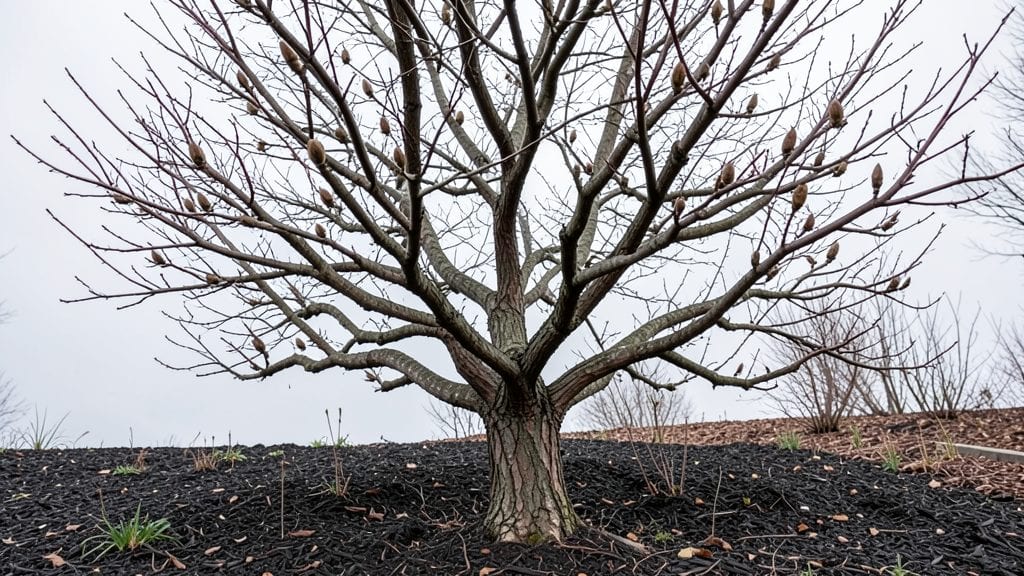
Winter care for flowering dogwood 🌸 is the secret to keeping your tree alive—and stunning—through the cold months.
That heartbreaking sight of bare branches after a harsh winter isn’t inevitable. With the right steps, your dogwood can survive dormancy and even show off its beautiful bark or lingering berries. The key is knowing when to protect it, how to prune correctly, and which varieties handle cold best.
If you’re in USDA Zones 3-8, you already have a fighting chance—but winter still brings risks like frost cracks, dehydration, and disease. I’ll walk you through mulching, pruning timing, and winter wrapping so your tree wakes up strong in spring.
By the end, you’ll know exactly how to keep your dogwood thriving year-round, from fall prep to spring revival—no more sad, leafless skeletons in your yard.
Why flowering dogwoods struggle in winter and how to protect them
Flowering dogwoods (Cornus florida) are prized for their showstopping spring blooms, but their delicate nature makes them vulnerable during winter. Cold winds, freezing temperatures, and dry air can cause bark splitting, bud dieback, and even death if not protected properly.
Many gardeners assume these trees are hardy, but without the right care, they can suffer irreversible damage.
One of the biggest threats is winter desiccation, where the tree loses moisture through its bark and leaves. This happens when winter sun warms the tree, causing it to transpire while the ground remains frozen.
Young trees and those in exposed locations are especially at risk. Even established dogwoods can struggle in USDA zones 3-5 without protection.
Another common issue is bark damage from temperature swings. When days warm up and nights drop below freezing, the bark can crack, creating entry points for bacterial and fungal diseases like anthracnose. These infections weaken the tree, reducing its ability to bounce back in spring.
Finally, improper planting locations exacerbate winter stress. Dogwoods planted in low-lying areas or near buildings that trap cold air suffer more than those in slightly elevated, sheltered spots. Without proper preparation, these trees can struggle to survive even mild winters.
Flowering dogwoods are not as cold-hardy as they appear. 30% of winter damage occurs due to dehydration, not just freezing. Even in USDA Zone 6, unprotected trees risk bark splitting and bud death. Start protection before the first frost—not after!
To safeguard your dogwood, begin with proper mulching. Apply a 3-4 inch layer of organic mulch (like shredded bark or wood chips) around the tree’s base, keeping it 6 inches away from the trunk.
This insulates the roots and retains moisture. For extra protection in Zone 5 and colder, add a thick layer of straw mulch over the organic layer.
In exposed areas, consider winter wrapping. Use burlap or tree wrap to shield the trunk from sun scald and temperature fluctuations. Secure it loosely—too tight, and it can damage the bark.
For young trees, a tree guard or even a lightweight frost cloth can provide an additional barrier against harsh winds.
Watering in late fall is another critical step. Give your dogwood a deep watering before the ground freezes. This ensures the roots have moisture stored for winter. Avoid overwatering, though—waterlogged soil can suffocate roots and make the tree more susceptible to root rot during cold months.
Choosing the right planting location is key to winter survival. Avoid spots with reflective surfaces (like driveways or light-colored walls) that can bake the tree in winter. Instead, plant in areas with partial shade and some wind protection, such as near a fence or building.
If you’re in a high-wind zone, consider planting near a natural windbreak, like a hedge or shrub row.
For gardeners in USDA Zones 3-4, select cold-hardy cultivars like ‘Cherokee Brave’ or ‘White Winter Haze,’ which tolerate -30°F temperatures. Even then, these trees benefit from extra winter care, including mulching and wrapping.
With the right precautions, your dogwood can survive winter and return with vibrant spring blooms year after year.
Don’t wait until winter hits to act—preventative care is the best defense. Start mulching, wrapping, and watering in late fall to give your dogwood the best chance at surviving the cold months unscathed. Your efforts will pay off when those iconic flowers reappear next spring!
Winter pruning and maintenance tips to ensure spring blooms
Winter is the perfect time to give your flowering dogwood the care it needs to burst into vibrant blooms next spring. While the tree is dormant, you can safely prune, fertilize, and protect it from winter damage.
The key is timing—avoid pruning too late in winter, as new growth can be damaged by late frosts. Focus instead on removing dead or diseased branches and shaping the tree for optimal airflow and sunlight exposure.
Before you grab your pruners, remember that dogwoods bloom on old wood, meaning last year’s growth produces this year’s flowers. Pruning too aggressively can reduce next year’s blooms. Instead, prioritize structural pruning and disease prevention to keep your tree healthy and thriving.
Let’s break down the essential steps to winterize your dogwood and set it up for a spectacular spring.
Step-by-Step Winter Care for Flowering Dogwood
-
Step 1: Prune in Late Winter (USDA Zones 3-8)
Prune between January and early March, before buds swell but after harsh winter winds. Remove dead, diseased, or crossing branches using clean, sharp pruners to prevent infection. -
Step 2: Thin Out Dense Foliage
Open the canopy by removing 10-20% of inner branches to improve air circulation and reduce fungal diseases like anthracnose, which thrives in damp conditions. -
Step 3: Apply a Balanced Fertilizer
In early spring (March), spread a 10-10-10 NPK fertilizer around the drip line (not touching the trunk). Water thoroughly to activate nutrients. -
Step 4: Mulch for Insulation
Spread 3-4 inches of organic mulch (like wood chips) around the base, keeping it 6 inches away from the trunk to prevent rot and retain moisture. -
Step 5: Protect from Winter Burn
If your dogwood is young or in Zone 3-4, wrap the trunk with burlap or tree guard to shield it from winter sun and wind, which can cause bark damage. -
Step 6: Adjust Watering
Reduce watering in winter months but give a deep soak every 4-6 weeks if the ground is frozen or there’s no snow cover to prevent root dehydration. -
Step 7: Monitor for Pests
Check for dogwood borers or scale insects on branches. Treat infestations immediately with neem oil or horticultural oil in early spring before pests become active.
While pruning, avoid cutting back more than 25% of the tree’s foliage in one season, as this can stress the dogwood and reduce flowering. If your tree has cankers or large wounds, seal them with pruning paint to prevent fungal entry.
Remember, the goal is to encourage healthy growth, not drastic reshaping.
Finally, resist the urge to prune in late winter or early spring if buds have already begun to swell. This can stimulate early growth that may be damaged by late frosts. By following these steps, your flowering dogwood will reward you with vibrant blooms and lush foliage next season.
With proper winter care, your dogwood will not only survive the cold but also thrive, setting the stage for a stunning spring display. Happy pruning! 🌿✂️🌸