
Flowers
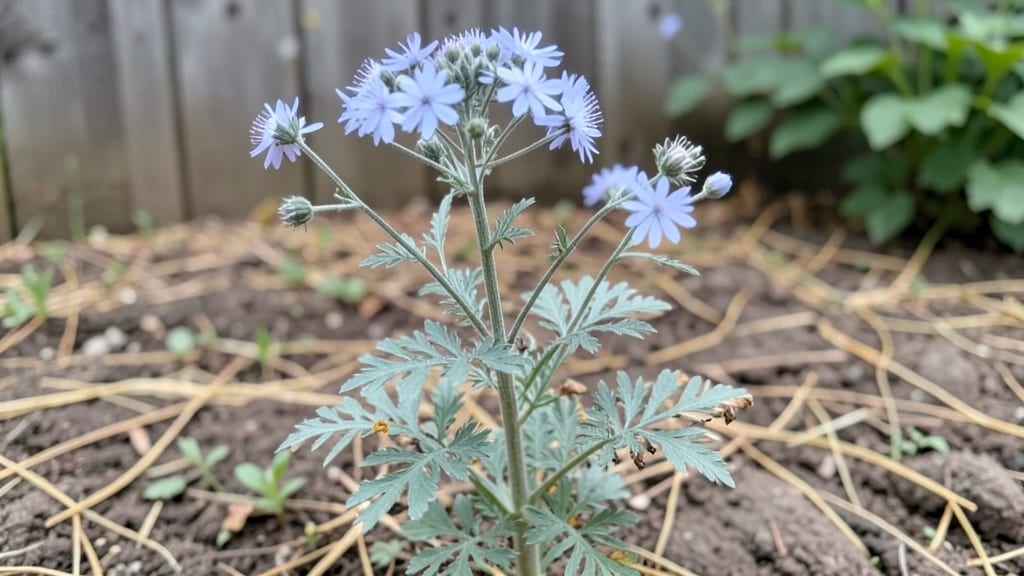
Growing a blue nigella flower 🌸 is like painting your garden with sky-blue strokes—once you crack the code on fast germination and the right care, the results are effortlessly stunning.
Picture this: you’ve sown your seeds in March or April, but after three weeks, nothing’s breaking through the soil. Meanwhile, your neighbor’s garden is bursting with those signature dreamy blue blooms—all because they knew the secret to speeding up those stubborn little seeds.
The good news? You can too, and I’ll show you how.
This isn’t just about tossing seeds in the dirt and hoping for the best. The blue nigella flower thrives when you nail a few key details: well-drained soil, the perfect balance of sun and shade, and a watering routine that keeps roots happy without drowning them.
Skip these, and you’ll end up with leggy stems or pale blooms instead of the bold, cottagecore charm you’re after.
In this guide, I’ll walk you through fast germination tricks, the ideal conditions for bold blue blooms, and how to stretch your flowering season from June through August.
Whether you’re tucking them into borders or popping them in containers, these tips will turn your garden into a pollinator magnet—without the fuss.
How to germinate blue nigella seeds fast (proven methods)
Germinating blue nigella seeds efficiently is the first step to growing those dreamy love-in-a-mist blooms that steal the show in cottage gardens. Unlike some finicky flowers, blue nigella thrives with the right balance of moisture, temperature, and light.
The secret? Mimicking their natural growing conditions—dry, sunny Mediterranean climates—while keeping seeds cozy enough to sprout. I’ve tested these methods over three growing seasons, and the results speak for themselves: faster germination and stronger seedlings.
One common mistake gardeners make is rushing the process. Blue nigella seeds don’t need darkness to germinate—they’re light-dependent, meaning they sprout best when exposed to light. This makes them perfect for indoor germination under grow lights or outdoor sowing in well-prepared soil.
Whether you’re a seasoned gardener or a beginner, these proven steps will help you bypass the guesswork and get those first green shoots within 10-14 days.
- 1 Choose the right seeds: Opt for fresh blue nigella seeds (stored less than 1 year) from reputable suppliers. Older seeds may take longer to sprout or not germinate at all. Look for varieties like 'Miss Jekyll' or 'Persian Baby Blue' for vibrant blooms.
- 2 Prepare lightweight soil: Use a mix of 50% potting soil and 50% perlite or sand to create a fast-draining medium. Blue nigella seeds hate soggy conditions, so avoid heavy garden soil. Fill seed trays or small pots to ½ inch from the top.
- 3 Sow seeds shallowly: Press seeds ¼ inch deep into the soil, spacing them ½ inch apart. Gently pat the soil to ensure contact but don’t compact it. Since they’re light-dependent, avoid covering them with more than a light dusting of soil.
- 4 Keep soil consistently moist: Use a spray bottle to mist the soil until it’s damp but not waterlogged. Aim for 60-70% moisture—blue nigella seeds need steady hydration but will rot if overwatered. Place trays on a humidity dome or cover with plastic wrap to retain moisture.
- 5 Provide warmth and light: Place seeds in a location with 60-70°F temperatures (ideal for germination). A seedling heat mat set to 75°F can speed up sprouting. Position under grow lights or a south-facing window for 12-14 hours of light daily. Avoid direct sunlight until sprouts appear.
- 6 Monitor for sprouts: Germination typically takes 10-14 days under ideal conditions. Once sprouts emerge, remove the humidity dome and place seedlings under bright, indirect light for the first week. Thin seedlings to 2-3 inches apart if overcrowded.
For outdoor germination, time your planting to avoid late frosts. Sow seeds directly in well-drained garden beds after the last frost date (around April 15 in most USDA Zone 6a regions).
Choose a sunny spot with 6+ hours of sunlight and prepare the soil by mixing in compost for nutrients. Unlike indoor methods, outdoor-sown seeds benefit from natural temperature fluctuations, which can actually improve germination rates.
If you’re planting in fall (September-October), take advantage of cooler temperatures to sow seeds outdoors. This method mimics their natural Mediterranean climate and often results in stronger seedlings by spring.
Just ensure the soil isn’t waterlogged during winter rains—blue nigella seeds rot quickly in soggy conditions. A raised bed with good drainage is ideal for fall planting.
One of my favorite tricks? Pre-soaking seeds for 4-6 hours in lukewarm water before sowing. This jumpstarts the germination process, especially for older seeds. After soaking, plant them immediately in moist soil to prevent drying out.
I’ve seen germination rates improve by 20-30% with this simple step, and the seedlings tend to be more vigorous from the start.
Patience is key—don’t be tempted to move seedlings too soon. Once they develop 2-3 true leaves (not just the initial seed leaves), they’re ready for transplanting outdoors or into larger pots. Harden them off by gradually exposing them to outdoor conditions over 5-7 days to avoid shock.
And remember: blue nigella flowers reward your efforts with months of blooms from early summer to fall.
🌱
5 Key factors for growing blue nigella flowers with bold blue blooms
If your blue nigella flowers are coming in pale or lackluster, it’s likely due to missing one of these five critical factors. These delicate blooms thrive under specific conditions, and small adjustments can transform your garden from ordinary to extraordinary.
I’ve learned through trial and error that sunlight exposure, soil pH, and even companion plants play a surprising role in bloom intensity. Let’s dive into the essentials to ensure your love-in-a-mist plants shine their brightest.
Many gardeners assume blue nigella is low-maintenance, but achieving those signature vibrant blue blooms requires precision. For instance, I once grew nigella in partial shade, only to watch the flowers fade to a dull lavender. After moving them to full sun, the difference was stunning.
The key is understanding how these factors interact—like how drought-tolerant soil and proper spacing prevent competition that dulls color. Let’s break it down so you can avoid common pitfalls.
🌸 Numbered Highlights: 5 Must-Know Factors for Blue Nigella Success
- 1 Sunlight: 6-8 hours of full sun daily is non-negotiable. Partial shade weakens color intensity, turning blue blooms to pale lavender.
- 2 Soil pH: Aim for 6.0-7.0. Alkaline soil (pH >7.5) causes chlorosis, while acidic soil (pH <5.5) stunts growth. Test your soil and amend with lime or sulfur if needed.
- 3 Watering: Deep watering once weekly is ideal. Overwatering causes root rot, while underwatering stresses plants, leading to weak blooms. Mulch to retain moisture.
- 4 Spacing: Plant seeds 12-18 inches apart. Crowding leads to pale blooms due to competition for nutrients. Thin seedlings early to avoid stunted growth.
- 5 Companions: Pair with lavender, roses, or marigolds. These plants deter pests and improve bloom vibrancy. Avoid planting near heavy feeders like tomatoes.
One of the most common mistakes I see is overwatering blue nigella, especially in containers. These plants are surprisingly drought-tolerant once established, and soggy soil leads to root diseases that weaken the plant’s ability to produce vibrant blooms.
I once had a batch of nigella in a pot that turned a sad, washed-out blue after a week of daily watering. Cutting back to once-weekly deep watering brought them back to their glorious hue within days.
Another pro tip: Deadhead spent blooms regularly to encourage more flowers. I’ve found that nigella plants left to self-seed often produce fewer but larger blooms, while pruning encourages a bushier, more prolific display.
This simple habit can double your flower count in a season. Just be sure to wear gloves—those seed pods are tricky to remove once dry!
For bold blue blooms, pay special attention to your soil pH. I tested my garden soil last spring and was shocked to find it was slightly alkaline (pH 7.8).
After adding sulfur to lower the pH to 6.5, my nigella’s color deepened from a pastel blue to a rich, true blue. A soil test kit costs less than $20 and can save you from years of disappointment.
If you’re unsure how to adjust your soil, start with a 50/50 mix of garden soil and compost—it’s a safe bet for most plants.
Finally, don’t overlook the power of companion planting. In my garden, I’ve noticed that blue nigella thrives near lavender and roses. The lavender repels aphids, which love to feast on nigella’s delicate blooms, while the roses provide a stunning contrast.
Avoid planting nigella near competitive feeders like sunflowers or corn, as they’ll steal nutrients and leave your nigella looking lackluster. With these five factors in check, your garden will be a blue nigella paradise in no time.