
Plants
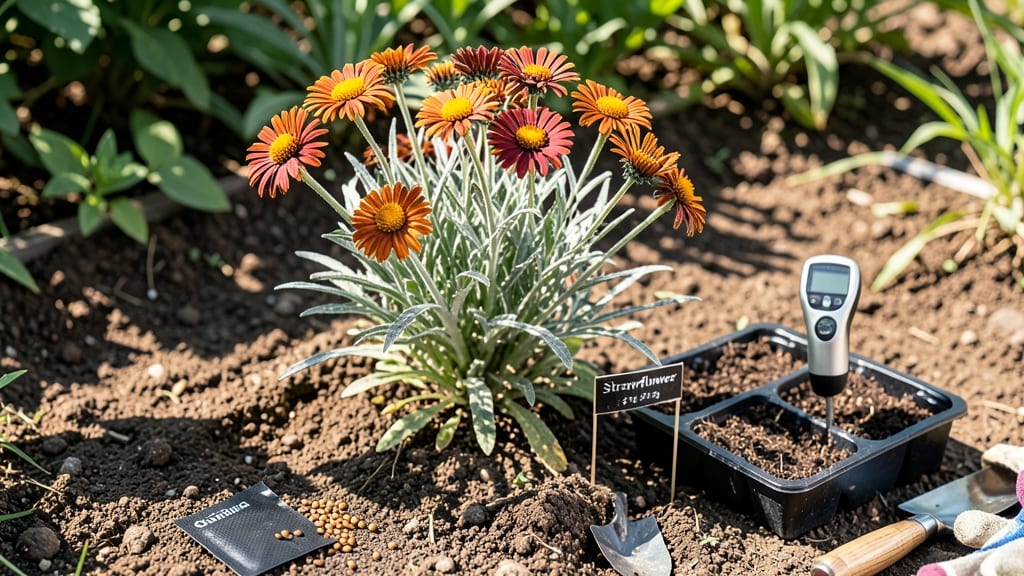
Plant strawflower seeds after your last frost date when soil warms to at least 60°F — timing this right is the key to those long-lasting 🌼 blooms you’ve been dreaming of.
Strawflowers (Helichrysum bracteatum) dazzle with vibrant blooms that last for weeks—but timing their planting is everything. Plant too early, and they’ll bolt in the heat; too late, and you’ll miss their stunning summer-to-fall display.
In USDA Zone 6a, that window is typically March–April for most gardeners, but warmer zones can start as early as February. The trick? Wait until the soil stays warm consistently, not just the air.
Below, I’ll break down the exact planting timeline by zone, whether to start seeds indoors or sow directly, and the 5 critical mistakes that derail germination before it even begins.
Best planting times for strawflower seeds by USDA zone
Strawflowers thrive in warm weather and need precise timing to avoid frost damage or heat bolting. Since they’re heat-loving annuals, planting too early in cold zones risks stunted growth, while late planting may delay blooms until fall.
The key is aligning your USDA zone with soil temperatures above 60°F (15°C)—when strawflower seeds germinate best.
For direct sowing, wait until after your last frost date and when soil stays consistently warm. In cooler zones (3-5), start seeds indoors 6-8 weeks before transplanting outdoors.
Meanwhile, warmer zones (8-11) can sow seeds directly in early spring or late summer for fall blooms. Let’s break down the exact windows by zone.
In Zones 3-5, where winters are harsh, I recommend starting seeds indoors in March under grow lights. Transplant outdoors only after the soil warms to 60°F (15°C)—typically late May. Use row covers to extend the season if needed, but remove them before blooming to prevent mildew.
For Zones 6-7, direct sowing works well in mid-April to early May, once nighttime temperatures stay above 50°F (10°C). These zones benefit from mulching to keep roots warm, especially in early spring. Avoid planting before your last frost date, or seedlings may die.
Gardeners in Zones 8-9 have the most flexibility, with early March to late April as ideal windows. Here, strawflowers can handle slightly cooler soil (55°F/13°C), but they’ll grow faster in warmer conditions. If planting in peak summer, provide afternoon shade to prevent wilting.
In Zones 10-11, summer heat is the bigger enemy than cold. For this reason, I suggest fall planting (August-September) to avoid heat stress. Strawflowers will still bloom beautifully in cool weather, and you’ll skip the risk of bolting that comes with spring heat.
Pro tip: Use a soil thermometer to confirm temperatures before planting. Strawflower seeds won’t germinate below 55°F (13°C), and growth slows dramatically in cooler soil. If your soil is too cold, wait 1-2 weeks or use black plastic mulch to warm it faster.
Remember, strawflowers are drought-tolerant once established, but they need consistent moisture during germination (first 2 weeks). After sprouting, reduce watering to every 7-10 days unless your area experiences extreme heat. Overwatering is a common mistake that leads to root rot.
For container growing, adjust your timing by 1-2 weeks earlier since pots heat up faster. Place containers in full sun and use well-draining mix to prevent soggy roots. With the right timing, your strawflowers will reward you with months of vibrant blooms from summer through fall.
Indoor starting vs. direct sowing: which works better for strawflowers?
Deciding whether to start strawflower seeds indoors or sow them directly outside depends on your climate zone and growing season. In Zone 7, where last frost typically hits mid-April, I’ve found both methods work—but with key differences.
Indoor starting gives you a head start in cooler regions, while direct sowing saves time and effort in warmer areas.
Strawflowers thrive in warm soil (ideal temperature: 60°F+) and bright sunlight. Planting too early can lead to bolting or weak seedlings, while waiting too long may shorten your bloom season. Let’s break down the pros and cons to help you choose the best method for your garden.
Indoor Starting (6-8 Weeks Before Last Frost)
- Longer growing season
- Better control over conditions
- Earlier blooms
- Requires grow lights or sunny window
- Risk of leggy seedlings
- Transplant shock possible
Direct Sowing (After Soil Warms to 60°F+)
- No transplanting needed
- Hardier seedlings
- Less equipment required
- Shorter growing season
- Dependent on weather
- Slower germination in cool soil
For Zone 7 gardeners, I recommend direct sowing in late April to early May once soil temperatures consistently stay above 60°F. This method aligns perfectly with strawflowers’ warm-season preferences and avoids the risks of transplant shock.
However, if you’re in a cooler zone (e.g., Zone 5 or 6), starting seeds indoors in March gives you a competitive edge.
If you choose indoor starting, use seedling trays with well-draining soil and place them under grow lights for 12-14 hours of light daily. Harden off seedlings for 7-10 days before transplanting after the last frost.
For direct sowing, scatter seeds ¼ inch deep, spacing them 12-18 inches apart in full sun areas of your garden.
Both methods yield stunning strawflower blooms, but direct sowing is my go-to for Zone 7 because it’s simpler and produces hardier plants. That said, indoor starting can be a game-changer if you love early summer color or live in a shorter growing season area.
Pro tip: Test soil temperature with a soil thermometer before direct sowing—strawflowers won’t germinate well in cold soil. If your soil is still chilly, opt for indoor starting or wait a few weeks.