
How To
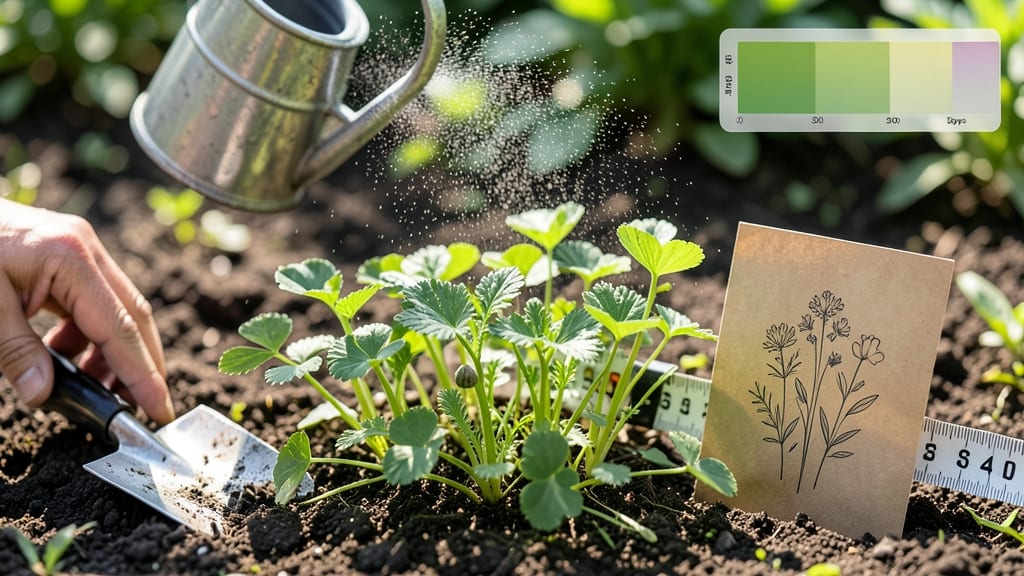
Wildflower seeds to germinate can take anywhere from 7 to 21 days, but some varieties need up to 6 weeks—and that waiting game can feel like an eternity when you’re staring at bare soil.
Picture this: you’ve scattered your 🌼 seeds, watered them just right, and now you’re second-guessing whether they’ll ever break through. The truth? Germination speed depends on more than just luck—soil temperature, moisture levels, and even seed type play a huge role.
In this guide, I’ll break down the typical timelines for common wildflowers, share pro tips to speed up sprouting, and help you troubleshoot if your seeds take longer than expected.
Whether you’re planting cosmos that pop up in 5 days or milkweed that plays the slow game, you’ll learn how to give them the best shot at success.
Wildflower seed germination times by species and soil temperature
If you’ve ever planted wildflower seeds and waited impatiently for those first green shoots to appear, you’re not alone. Germination times vary wildly between species—and even more dramatically with soil temperature.
Some seeds sprout in just 3–5 days under ideal conditions, while others may take 4–6 weeks or longer. Understanding these differences helps you set realistic expectations and troubleshoot delays.
The key factor controlling germination speed is soil temperature. Most wildflower seeds germinate best when soil temperatures hover between 40°F and 85°F. Below 40°F, growth slows dramatically, while above 85°F, seeds may dry out or fail to sprout.
For example, cosmos seeds germinate fastest at 70–75°F, while black-eyed susans prefer cooler 60–65°F ranges. Let’s break down the specifics.
| Wildflower Species | Germination Time | Ideal Soil Temp (°F) | Stratification Needs |
|---|---|---|---|
| Cosmos | 7–14 days | 70–75°F | None (direct sow) |
| Black-Eyed Susan | 14–21 days | 60–65°F | Cold stratification (4–6 weeks) |
| Milkweed | 21–42 days | 65–70°F | Cold stratification (6–8 weeks) |
| Sunflower | 7–10 days | 75–80°F | None (warm soil) |
| Lupine | 28–60 days | 50–60°F | Cold stratification (8–12 weeks) |
| Coneflower | 14–28 days | 65–70°F | Cold stratification (4–6 weeks) |
Fast-germinating wildflowers like cosmos and sunflowers are perfect for impatient gardeners. These seeds often sprout within 7–14 days when soil temperatures are ideal, making them great choices for late spring or early summer plantings.
Their quick germination also means you can start them indoors or in seed trays for a head start. If you’re planting these in warmer months, aim for 70–80°F soil to see the fastest results.
On the slower end, lupines and milkweed can take 4–6 weeks or longer to germinate, especially if they haven’t undergone proper cold stratification. These native wildflowers often require a period of cold treatment to break dormancy, mimicking their natural life cycle.
For example, milkweed seeds need 6–8 weeks in the fridge (or a cold frame) before planting. Skipping this step can leave you waiting months for sprouts—or worse, no germination at all.
Soil temperature isn’t just about speed—it’s also about success. For instance, planting black-eyed susans in hot summer soil (above 85°F) can cause the seeds to dry out before they germinate. Conversely, sowing them in cool spring soil (below 50°F) may delay sprouting until temperatures rise.
The sweet spot for most wildflowers is 60–75°F, where germination is both reliable and relatively quick.
If you’re planting in fall for spring blooms, take advantage of natural winter stratification. Many wildflower seeds, like coneflowers and lupines, benefit from being sown in late fall.
The freezing and thawing cycles of winter help soften the seed coat, making germination faster and more uniform once spring arrives. This is why native prairie mixes often perform better when sown in autumn rather than spring.
For warm-season wildflowers like cosmos and sunflowers, you can simulate ideal conditions by using black plastic mulch or planting in south-facing beds that warm up quickly. These methods raise soil temperatures by 10–15°F, accelerating germination and giving you a jump on the growing season.
Just be sure to remove the mulch once seeds sprout to prevent overheating.
One common mistake is assuming all wildflower seeds germinate on the same timeline. Annuals like cosmos and zinnias are often quick to sprout, while perennials like milkweed and lupine may take weeks longer. Even within a single species, germination times can vary based on seed age and storage conditions.
Always check the seed packet for specific recommendations, as some varieties may require scarification (scratching the seed coat) or soaking to improve germination rates.
Pro tip: If you’re still not seeing sprouts after 3–4 weeks, gently scratch the soil surface to check for seeds. Sometimes they’re buried too deep or need a little encouragement to break through.
With the right soil temperature and patience, your wildflower meadow will be bursting with color in no time. 🌻
5 Proven methods to speed up wildflower seed germination
Wildflower seeds often need a little extra help to break their natural dormancy and sprout consistently. While some varieties like cosmos germinate in just 5–7 days, others such as milkweed may take 2–4 weeks or longer.
The good news? You can control soil temperature, seed preparation, and planting conditions to cut weeks off the germination timeline. Below are my top 5 methods, each tailored to different seed types and growing conditions.
For example, scarification works wonders for hard-coated seeds like poppies, while cold stratification mimics winter conditions to trick native prairie seeds into thinking spring has arrived. Pre-soaking is ideal for fast-sprouting annuals, while moisture control prevents rot in delicate seedlings.
Let’s dive into each technique with step-by-step instructions to ensure your wildflower meadow blooms faster than ever.
- 🌱 5–7 days: Cosmos, sunflowers, zinnia (warm soil, pre-soaked)
- 🌿 10–14 days: Black-eyed Susan, coneflower (moderate temps, scarified)
- 🌳 3–4 weeks: Milkweed, goldenrod (cold-stratified, deep planting)
- ⏳ 4–6 weeks: Native prairie mixes (stratified + moisture control)
- ❄️ Up to 3 months: Some wild bergamot (requires winter sowing)
Start with scarification, which involves lightly nicking or sanding hard seed coats to let water penetrate. Use a file or sandpaper to gently abrade seeds like poppies or lupines—just enough to scratch the surface without damaging the embryo.
This mimics natural weathering and can reduce germination time by 50% for tough-coated seeds. Test a few seeds first to avoid over-scratching, which may kill them.
For cold stratification, place seeds in a sealed bag with damp peat moss or vermiculite, then refrigerate for 2–4 weeks before planting. This mimics winter conditions and is essential for native prairie seeds like purple coneflower or butterfly weed.
After stratification, sow seeds in well-draining soil at a depth equal to 2–3 times their width. Avoid planting too deep, as this can delay sprouting or prevent emergence altogether.
Pre-soaking is perfect for fast-sprouting annuals like cosmos or zinnias. Simply place seeds in a bowl of lukewarm water for 12–24 hours before planting. Drain and sow immediately in moist, warm soil (70–85°F).
This method works best for seeds that need high moisture to break dormancy but can lead to rot if overdone. Always use fresh, non-chlorinated water to avoid seed damage.
Pay close attention to planting depth, as burying seeds too deeply can suffocate them. Most wildflower seeds should be planted no deeper than 1/4 inch, while larger seeds like black-eyed Susan can tolerate up to 1/2 inch of coverage.
Use your finger to create shallow furrows or simply press seeds into the soil surface. Lightly water the area to settle seeds without displacing them.
Finally, moisture control is critical—too much water causes rot, while too little prevents germination. Keep soil consistently moist (not soggy) by watering lightly every 2–3 days until seeds sprout.
Use a spray bottle for delicate seedlings to avoid disturbing them. Once sprouts appear, reduce watering to once weekly and gradually taper off as plants establish roots.