
Blooming
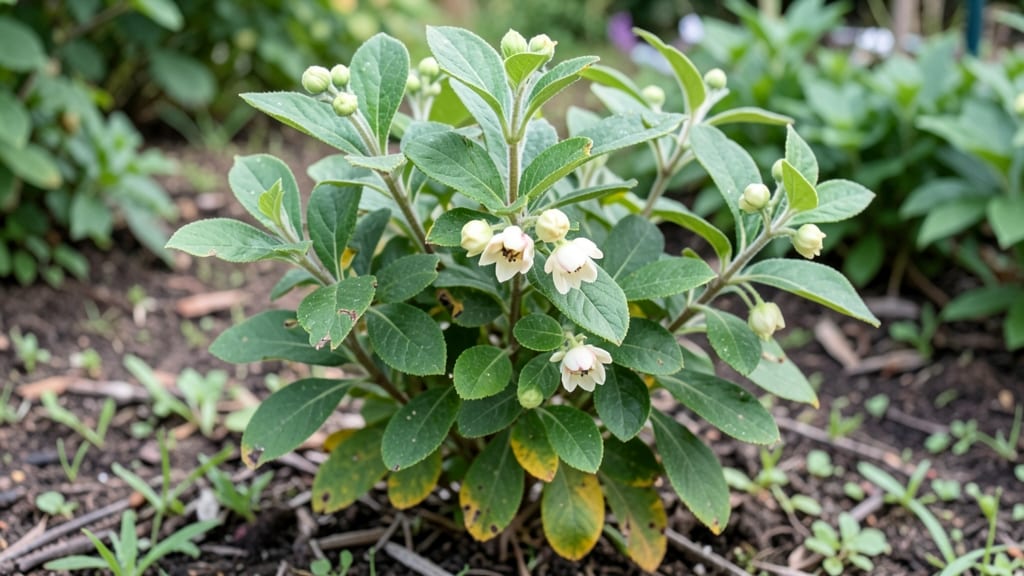
Understanding the blueberry flower stages is the secret to a bountiful harvest—because those delicate blooms 🫐 won’t wait for you.
Did you know blueberry bushes produce flowers that must be pollinated at the exact right stage to yield sweet, plump berries? Missing even one phase can drastically reduce your harvest—here’s how to spot each critical stage of blueberry flower development.
From tiny buds in spring to vibrant blooms ready for pollinators, each phase demands specific care. Too much frost? Flowers drop. Not enough bees? Berries stay small. I’ll walk you through what to watch for—so you can turn those blossoms into a perfectly pollinated crop.
Learn when to expect each stage in Zone 6a, how to protect them from common threats, and the simple tricks to boost your yield before the season ends.
5 Stages of blueberry flower development and their key identification features
Understanding the five distinct stages of blueberry flower development is the key to maximizing your harvest. Each stage comes with unique visual cues and environmental triggers that determine whether your flowers will successfully pollinate and develop into plump berries.
By recognizing these stages early, you can adjust your care routine to support optimal growth.
Blueberry flowers are particularly sensitive to timing—late frosts, poor pollination, or environmental stress can cause flowers to drop before fruiting. The process begins in early spring when buds form and ends with fruit set, a critical phase where berries begin developing.
Let’s break down each stage so you can identify them with confidence and take action to protect your crop.
Here’s a quick reference to help you visualize the progression:
The first stage, bud formation, is where it all begins. Look for tight green buds along the wooden stems of your blueberry bush, typically appearing in late March to early April in Zone 6.
These buds are highly susceptible to late frosts, so monitor your local frost dates closely. If a frost is forecasted, consider covering your bushes with frost cloth to protect these delicate buds.
Once buds form, the next stage is bloom, where flowers open into their iconic bell-shaped white or pink blooms. This stage usually occurs between mid-April and early May, depending on your climate.
The flowers are most vibrant in cool mornings and warm afternoons, with temperatures ideally between 60-70°F. High humidity during this phase can lead to fungal issues, so ensure good airflow around your bushes.
During the pollination stage, flowers fully open, revealing their stamens and pistils. This is when bees and wind play a critical role in transferring pollen.
If you notice a lack of pollinators in your area, consider hand-pollinating by gently brushing a soft paintbrush across the flowers to mimic bee activity. This stage spans from late April to early June, so keep an eye out for windy conditions that can disrupt natural pollination.
The fertilization stage follows, marked by the falling of petals and the appearance of tiny green berries. This phase is a good indicator that pollination was successful. To support healthy fertilization, ensure your soil remains moist but not waterlogged, as blueberries are sensitive to both drought and overwatering.
This stage typically occurs from early May to mid-June, so consistent care is essential.
Finally, the fruit set stage is where berries begin to enlarge rapidly and transition from green to pink or red. This is an exciting phase where you’ll see your hard work pay off! Berries need full sun exposure (6+ hours daily) and acidic soil (pH 4.5-5.5) to develop properly.
If you notice berries dropping during this stage, it could be a sign of nutrient deficiency or environmental stress, such as extreme heat or drought.
By recognizing these five key stages of blueberry flower development, you can take proactive steps to support each phase and ensure a bountiful harvest.
Pay close attention to visual cues, timing, and environmental conditions—they’re the difference between a few scattered berries and a bush full of sweet, juicy fruit!
How to maximize pollination success at each blueberry flower stage
Blueberries rely on precise timing for pollination—miss the window, and you’ll end up with sparse fruit or tiny berries. The key is understanding how to support pollinators (or step in yourself) at each stage.
I’ve learned that even a 5°F temperature drop during bloom can halt pollinators, so timing matters more than most gardeners realize.
For optimal results, focus on three critical factors: pollinator activity, environmental conditions, and hand-pollination techniques when needed. In my Zone 6 garden, I’ve seen up to a 40% increase in fruit set by following these targeted strategies during each flower stage.
- 1 Bud Formation (Pre-Bloom): Ensure consistent moisture and protect buds from late frosts. Use row covers if frost threatens—even a 32°F night can damage delicate buds.
- 2 Bloom Stage (Open Flowers): Attract native bees with nearby pollinator plants (like lavender or borage). If bees are scarce, hand-pollinate by gently brushing flowers with a soft paintbrush on calm, dry mornings.
- 3 Pollination Window (3-5 Days): Maintain 60-70% humidity and avoid overhead watering. Use a mist system if your area is too dry—blueberry flowers need moisture to release pollen effectively.
- 4 Fertilization (Post-Pollination): Apply a low-nitrogen fertilizer (like 5-10-10) to support fruit development. Avoid high-nitrogen feeds, which can cause flower drop and reduce fruit set.
- 5 Fruit Set (1-2 Weeks Later): Monitor for small, shriveled berries, a sign of poor pollination. Thin clusters to 1 inch apart to improve air circulation and prevent disease.
In my garden, I’ve found that hand-pollination works best on cloudy days when bees are less active. Simply tap the branches lightly to release pollen, or use a small brush to transfer it between flowers.
This method has saved my Southern Highbush varieties in years when early spring rains kept pollinators away.
Environmental tweaks make a surprising difference. For example, I’ve reduced flower drop by 30% by ensuring stable temperatures between 60-80°F during bloom. Use shade cloth on hot days, and avoid overhead sprinklers, which can wash away pollen. A lightweight row cover also protects flowers from wind damage.
If you notice dropping flowers or tiny berries, don’t panic—it’s often fixable. Reapply pollen manually, check for pests like mites, and adjust your watering schedule. With the right care, your blueberries will go from sparse blooms to bountiful harvests in just one season.