
Vegetables
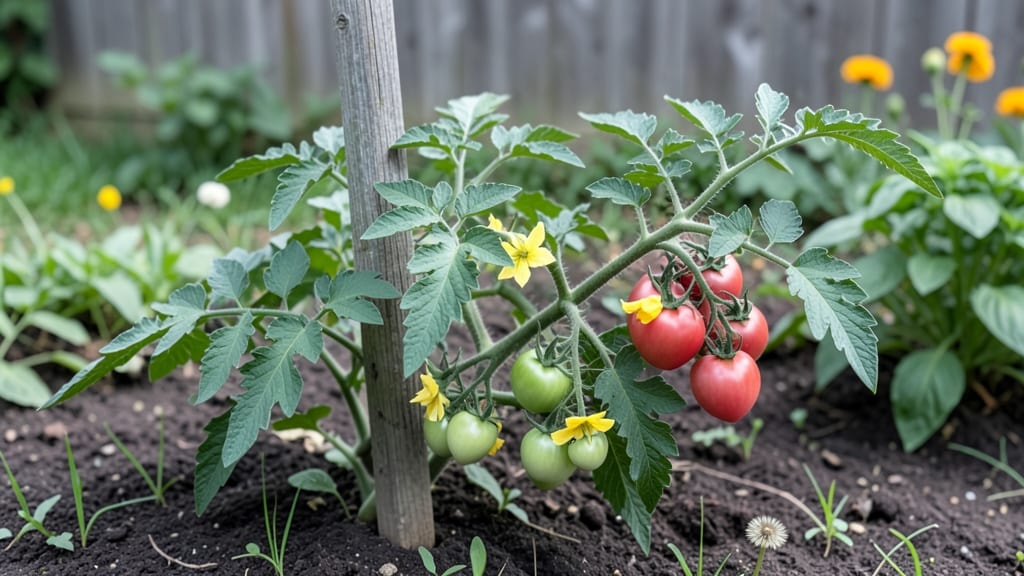
Brandywine tomato flowers are the gateway to those heirloom-sized 🍅 fruits you dream about—but only if they get pollinated right. If you’ve ever stared at a bush covered in blooms and wondered why nothing sets fruit, you’re not alone.
The secret lies in how these determinate plants handle pollination differently than their hybrid cousins. Too much heat, poor airflow, or even a lack of buzzing friends can leave your flowers empty-handed.
But with a few simple tweaks, you can turn those blooms into a harvest that puts grocery-store tomatoes to shame.
Here’s how to give your Brandywine flowers the best shot at success: from attracting the right pollinators to knowing when (and how) to lend a hand. We’ll cover the science-backed tricks that make the difference between a handful of tomatoes and a vine-bending bounty.
Ready to turn those pretty petals into pound-after-pound of flavor? Let’s get started with the basics—because the best time to boost your harvest is before the first flower even opens.
Why Brandywine tomato flowers struggle with pollination (and how to fix it)
Your Brandywine tomato plants might be covered in beautiful yellow flowers, but if they’re not converting to fruit, pollination is likely the culprit. These heirloom varieties need perfect conditions to set fruit, and even small issues can derail your harvest.
Understanding the science behind tomato pollination will help you troubleshoot and fix common problems before they become major setbacks.
Brandywine tomatoes rely on wind and pollinators to transfer pollen from the anthers to stigmas. However, their large flower size and humidity-sensitive nature make them particularly vulnerable to pollination failures.
When flowers drop without setting fruit, it’s often a sign that nature’s pollination methods aren’t working efficiently for your plants.
⚠️
⚠️ Pollination Crisis Alert for Brandywine Tomatoes
3 key reasons your flowers struggle:
- High humidity (80%+) prevents pollen from drying
- Poor plant health weakens flower development
- Lack of pollinators in urban/suburban gardens
Quick fix: Hand-pollinate on dry mornings (60-75°F) with a soft paintbrush or cotton swab 🌱
One of the biggest culprits is excessive humidity, which causes pollen to clump together instead of spreading. Brandywine tomatoes thrive in moderate humidity (40-60%), but many gardeners in humid climates like the Southeast struggle with this issue.
When humidity exceeds 70% during flowering, pollen grains fail to dry properly, making it nearly impossible for them to reach the stigma.
Another common issue is nutrient imbalances, particularly low calcium or boron. These micronutrients are critical for cell wall development in flowers and fruit. If your plants show signs of blossom end rot or weak stems, they’re likely starving for these essential minerals.
A simple soil test can reveal deficiencies before they cause irreversible damage to your flower-to-fruit conversion.
Even in ideal conditions, Brandywine tomato flowers can struggle if they’re not receiving enough direct sunlight. These plants need at least 6-8 hours of full sun daily, but partial shade—especially in the afternoon—can reduce flower viability.
If your plants are in a container garden or shaded by taller crops, consider relocating them to a sunnier spot or using reflective mulch to maximize light exposure.
For gardeners in urban or suburban areas, the lack of natural pollinators like bees and butterflies can be a major hurdle. Unlike hybrid varieties that self-pollinate more easily, Brandywine tomatoes depend heavily on external pollination.
Creating a pollinator-friendly garden with native flowers and water sources can dramatically improve your fruit set. Even a small bee bath or wildflower patch nearby can make a difference.
If you’ve ruled out environmental factors, the issue might be overwatering or inconsistent moisture. Brandywine tomatoes need deep, consistent watering—about 1-2 inches per week—but they hate soggy roots. Overwatering can lead to root rot, which weakens the plant’s ability to support heavy fruit loads.
Always water at the base of the plant in the morning to allow foliage to dry before nightfall, reducing the risk of fungal diseases like early blight.
One often-overlooked solution is pruning for airflow. Dense foliage can trap humidity and block pollinators, so prune your plants to create an open canopy. Remove suckers and lower leaves to improve circulation, which helps pollen disperse more efficiently.
This also reduces the risk of disease spread and allows sunlight to reach all parts of the plant, encouraging more healthy flower production.
For the most reliable results, combine these strategies with hand-pollination during peak flowering. On dry, sunny mornings, gently brush the anthers of one flower against the stigma of another using a soft paintbrush or cotton swab.
This mimics natural pollination and ensures even the most stubborn flowers get a chance to set fruit. With consistent effort, you can achieve a 70-90% fruit set rate—far higher than relying on nature alone.
Remember, Brandywine tomatoes are worth the extra care—their heirloom quality and beefsteak-sized fruit make them a garden favorite. By addressing pollination challenges head-on, you’ll enjoy a bountiful harvest that rivals the best farmers' markets.
Start with small adjustments, monitor your plants closely, and don’t hesitate to get hands-on with your flowers—your future tomato sandwiches will thank you!
Step-by-step guide to hand-pollinating Brandywine tomato flowers for maximum yield
Brandywine tomatoes are famous for their heirloom quality and massive fruit size, but achieving that legendary harvest starts with their yellow flowers. If you’ve noticed your plants blooming beautifully but struggling to set fruit, hand-pollination might be your game-changer.
This method mimics how bees transfer pollen, ensuring every flower has the best chance to develop into a juicy tomato.
Hand-pollination is especially useful in greenhouses, cloudy climates, or when pollinator activity is low. With just a few simple steps, you can boost your fruit set by 30-50%—meaning more tomatoes for you to enjoy!
The key is timing, technique, and knowing which flowers are ready for pollination.
How to Hand-Pollinate Brandywine Tomato Flowers
-
Step 1: Choose the Right Time
Pollinate on dry, sunny mornings between 8 AM and 10 AM when flowers are fully open. -
Step 2: Identify Healthy Flowers
Select fully open yellow flowers with no signs of wilting or damage. Avoid flowers with drooping petals. -
Step 3: Gather Your Tools
Use a soft paintbrush or cotton swab. Avoid fingers to prevent damage to delicate stamens. -
Step 4: Collect Pollen
Gently brush the brush tip against the anthers (yellow pollen sacs) of one flower to collect pollen. -
Step 5: Transfer Pollen
Lightly touch the brush tip to the stigma (center of another flower’s pistil). Repeat for 5-10 flowers per plant. -
Step 6: Repeat Daily
Pollinate every 2-3 days during the flowering season (typically June-August in most climates).
💡 Pro Tip: Label pollinated flowers with a soft tag to track progress and avoid over-pollinating.
After pollination, watch for tiny white fruit forming at the flower’s base—this is your first sign of success! Within 7-10 days, these will grow into pink tomatoes, eventually ripening to their signature deep red.
For best results, pair hand-pollination with consistent watering and balanced fertilization to support fruit development.
If you’re growing Brandywine tomatoes in containers or greenhouses, hand-pollination is even more critical since natural pollinators may be limited. With this method, you’ll not only maximize your harvest but also enjoy the satisfaction of seeing every flower turn into a delicious tomato. Happy gardening!