
Trees
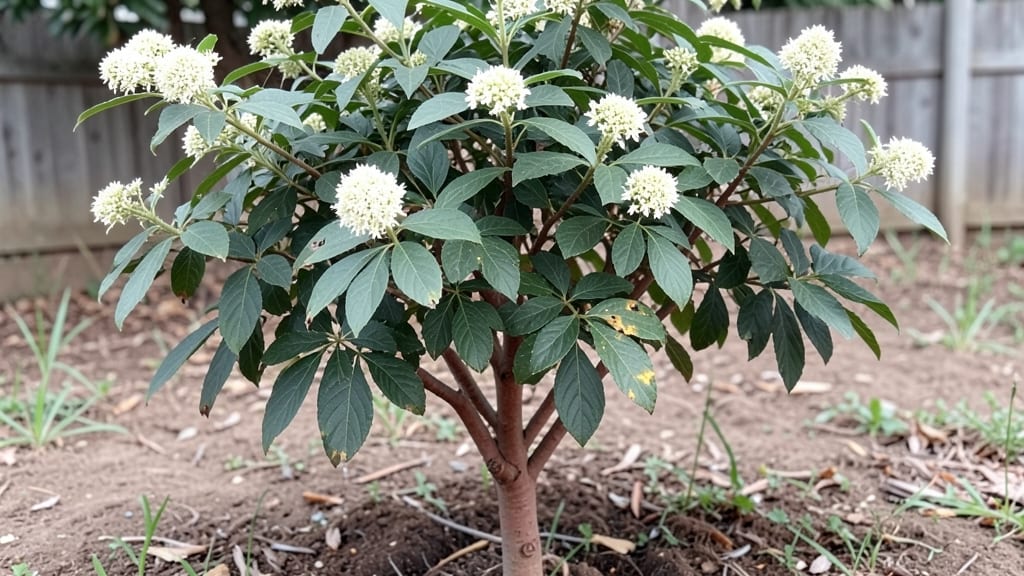
Spotting the Brazilian pepper tree flower is like finding a hidden treasure—these delicate white blooms appear for just a few weeks each year, often overlooked among the tree’s glossy leaves.
The 🌳 Brazilian pepper tree (Schinus terebinthifolius), known for its invasive nature in many regions, actually rewards patient gardeners with clusters of tiny, fragrant flowers in late spring or early summer. But don’t blink, or you’ll miss them—they vanish almost as quickly as they arrive.
If you’re growing one in USDA zones 9a–11, you know how picky this tree can be about flowering. The right mix of sunlight, soil, and care can turn your Brazilian pepper tree into a fragrant showstopper, but many growers struggle to coax those blooms out.
In this guide, I’ll show you exactly what to look for—from flower shape and scent to the subtle signals your tree gives before blooming—and how to give it the perfect conditions to repeat the process year after year.
When do Brazilian pepper tree flowers bloom and what to look for
The Brazilian pepper tree (Schinus terebinthifolius) typically blooms in late spring to early summer, though timing varies by USDA zones 9a-11. In Florida and the Southern U.S., expect blooms as early as March, while coastal California trees may wait until May or June.
These flowers are a fleeting reward—they last only 2-3 weeks before fading into vibrant red berries. 🌷
Spotting these blooms requires patience. The flowers are tiny, fragrant, and white, clustered in dense, drooping panicles up to 6 inches long. They emit a sweet, citrusy scent that’s strongest in the morning.
Many gardeners mistake them for new leaf growth until they notice the distinctive star-shaped petals and tiny yellow stamens at the center. 🌿
Before flowers appear, watch for new growth signals. Look for pale green leaf clusters emerging from terminal buds in late winter. These clusters grow rapidly in warmth above 60°F and signal the tree’s readiness to bloom. In drought-stressed trees, blooms may be sparse or absent entirely. 💧
Regional climate plays a critical role in bloom timing. In humid subtropical zones like Florida, trees often bloom earlier and more prolifically due to consistent warmth. Meanwhile, in cooler coastal areas like Southern California, blooms may delay until June or require protected microclimates.
If you’re in Zone 9a, expect blooms to align with consistent 70°F+ temperatures. ☀️
Don’t overlook the scent—this is your best clue. The fragrant white flowers release their citrusy aroma at dawn, often before you spot them visually. I once mistook my tree’s blooms for jasmine until I examined the star-shaped petals up close.
Pro tip: Rub a leaf between your fingers—if it smells like peppermint or lemon, blooms are near! 👃
The tree’s growth rate also hints at blooming readiness. Mature trees (5+ years old) in optimal conditions produce the most flowers, while young saplings may take 3-5 years to bloom.
If your tree is under 10 feet tall, it may not flower yet—patience is key. Over-fertilized trees often produce leafy growth instead of flowers, so avoid heavy nitrogen feeds in late winter. ✂️
Watch for leaf arrangement changes too. As blooms approach, the new leaves grow in pinnate clusters (like feather-like fronds). These clusters are lighter green than mature leaves and appear at terminal branch tips.
If you see 3-5 leaflets emerging together, blooms will follow in 2-4 weeks. This is your green-light signal to monitor branches closely. 🌱
In drier climates, blooms may be sparser but longer-lasting. The tree conserves energy by producing fewer flowers, but each cluster remains visible for 3+ weeks.
If your area gets less than 20 inches of rain yearly, supplement with deep watering during bloom season to encourage more flowers. A mulch ring around the base also helps retain moisture for root development. 💧
Finally, pruning strategies can influence blooming. Avoid heavy pruning in late winter, as this removes next year’s flower buds. Instead, lightly shape the tree in early spring after blooms fade.
Remove only dead or crossing branches—never cut into old wood, as this reduces flowering potential. For overgrown trees, prune in stages over 3 years to preserve blooms. 🪴
Once you spot those elusive white panicles, enjoy them quickly—they’re gone before you know it! The red berries that follow are a bonus, but the fleeting flowers are the true highlight. Keep an eye out for these subtle signals
How to identify Brazilian pepper tree flowers vs. similar invasive plants
The Brazilian pepper tree (Schinus terebinthifolius) produces delicate, fragrant white flowers that often get mistaken for other invasive species like firethorn (Pyracantha) or Chinese tallow (Triadica sebifera).
The key to spotting them lies in their flower clusters, leaf arrangement, and how they develop fruit. Unlike many invasives, these blooms appear in small, drooping clusters along the branches, not solitary flowers.
Firethorn, for example, has larger, showier clusters with red-orange berries, while Brazilian pepper’s fruit starts as tiny green berries that turn red when ripe. Pay attention to these details—they’re your best clues! Misidentification can lead to incorrect removal efforts, so let’s break it down visually for clarity.
| Feature | Brazilian Pepper Tree (Schinus terebinthifolius) | Firethorn (Pyracantha) | Chinese Tallow (Triadica sebifera) |
|---|---|---|---|
| Flower Clusters | Small, drooping clusters (1/2" wide) | Large, upright clusters (1-2" wide) | Solitary or spread-out flowers |
| Flower Color | Pure white with slight pink tint | White (sometimes pink-tinged) | Greenish-white or yellowish |
| Leaf Arrangement | Alternate, compound (3-5 leaflets) | Alternate, simple (sawtooth edges) | Alternate, simple (leathery texture) |
| Fruit Development | Starts green, turns red when ripe | Starts green, turns red-orange | Starts green, turns red (softer texture) |
| Scent | Sweet, citrusy fragrance | Mild or no scent | No scent |
| Growth Habit | Dense, pyramidal shape | Bushy, thorny branches | Spreading, multi-stemmed |
Notice how the Brazilian pepper tree’s flowers grow in small, drooping clusters along the branches, while firethorn’s are more upright and showy. The leaf structure is another dead giveaway—Brazilian pepper has compound leaves (multiple leaflets), whereas firethorn and Chinese tallow have simple leaves.
This distinction helps avoid misidentification during removal efforts.
If you’re still unsure, check the fruit development. Brazilian pepper’s berries start green and turn bright red, while firethorn’s stay red-orange and are waxier. Chinese tallow’s fruit is softer and less vibrant. These visual cues make identification straightforward once you know what to look for.
Pro tip: Snap a photo of the flower clusters and leaf arrangement next time you’re unsure. Comparing them side-by-side with this guide will help you spot the differences instantly. The sooner you recognize these blooms, the easier it is to monitor—and manage—their spread.
🌿