
Plants
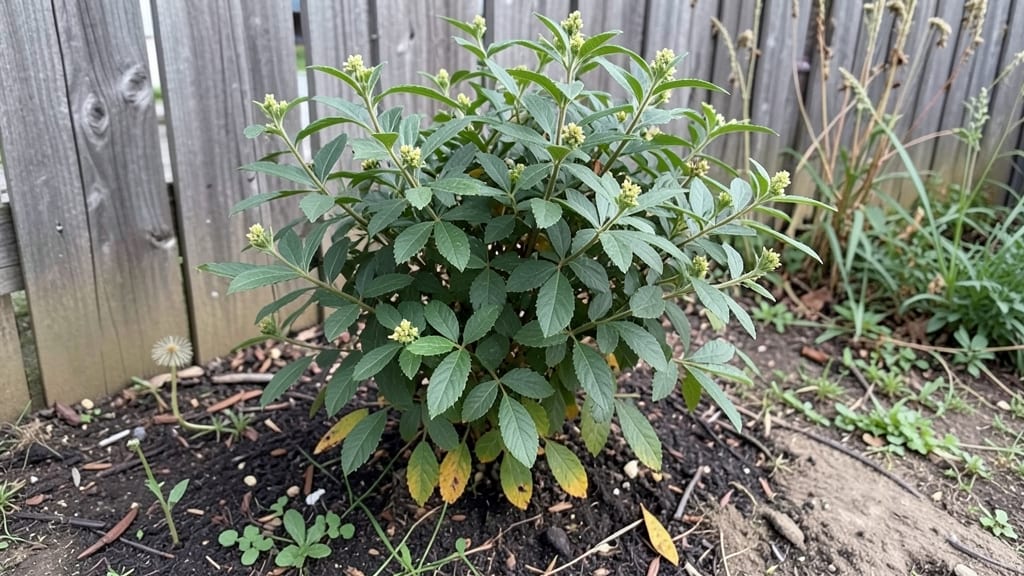
Growing a sichuan pepper flower 🌶️ means bringing home a plant whose tiny, fiery blooms and numbing-red fruits will transform your cooking.
Imagine plucking fresh tingling berries straight from your backyard—no store-bought substitutes needed. These shrubs aren’t just striking with their glossy leaves; they’re the secret behind Sichuan cuisine’s signature heat.
Perfect for USDA zones 7b-10a, they thrive in spring planting (March–April) with just 4–6 hours of morning sun. The catch? Most gardeners skip them, assuming they’re too fussy—but with the right soil and a little patience, you’ll have spicy blooms by fall.
Here’s how to turn your balcony or garden into a culinary spice hub, from seed to harvest, without the guesswork.
Identifying and selecting Sichuan pepper flower varieties for home cultivation
When growing Sichuan pepper flowers, you’ll encounter two primary varieties: Zanthoxylum bungeanum (common Sichuan pepper) and Zanthoxylum piperitum (Japanese pepper). Both produce tingling-spicy fruits, but their growth habits and climate needs differ significantly. Choosing the right variety ensures optimal spice production and healthy blooms in your garden.
If you’re in USDA zones 7b-10a, Zanthoxylum bungeanum is your best bet—it thrives in warm, humid climates and reaches 6-10 feet tall. Meanwhile, Zanthoxylum piperitum adapts better to cooler zones (5-9) and stays smaller (3-6 feet).
Both varieties produce fragrant white flowers followed by red, spicy berries, but their care requirements vary.
| Feature | Zanthoxylum bungeanum (Sichuan Pepper) | Zanthoxylum piperitum (Japanese Pepper) |
|---|---|---|
| Climate Needs | USDA zones 7b-10a, hot/humid | USDA zones 5-9, cooler/moderate |
| Mature Height | 6-10 feet | 3-6 feet |
| Sunlight Needs | Full sun to partial shade | Partial shade to full shade |
| Soil Preferences | Well-draining, slightly acidic (pH 5.5-6.5) | Moist, loamy, slightly acidic (pH 6.0-7.0) |
| Growth Rate | Moderate to fast (1-2 ft/year) | Slow to moderate (6-12 in/year) |
| Spice Intensity | High numbing heat (classic Sichuan peppercorn) | Mild to moderate heat (subtle citrusy spice) |
| Best For | Hot climates, bold spice | Cooler climates, delicate spice |
For home cultivation, Zanthoxylum bungeanum is ideal if you live in southern states like Florida or Texas, where it can thrive in full sun and heat.
In northern regions (e.g., New York or Oregon), Zanthoxylum piperitum is more hardy and adaptable, tolerating cooler summers and milder winters. Both varieties produce fragrant flowers in spring, followed by spicy red berries in fall.
To source seeds or seedlings, check specialty nurseries like Mountain Crest Nurseries or Bare Root Nursery, which often carry authentic Sichuan pepper varieties. Online seed banks like Seed Savers Exchange also offer heirloom seeds for both species.
If you’re in a warmer climate, propagate from cuttings in late spring for faster results.
When selecting seedlings, look for healthy, vibrant foliage and no signs of pests. Avoid plants with yellowing leaves or stunted growth, as these may struggle to adapt.
If starting from seeds, soak them overnight to improve germination rates, which can take 2-4 weeks in warm soil (70°F+).
Once planted, both varieties benefit from well-draining soil and regular pruning to encourage denser foliage and more flowers. Zanthoxylum bungeanum may need staking in windy areas, while Zanthoxylum piperitum can be grown in containers for patios. Both reward patience with unique, spicy blooms that double as culinary ingredients.
Pro tip: If
Step-by-step guide to planting and caring for Sichuan pepper flowers
Growing Sichuan pepper flowers starts with the right conditions—this fragrant shrub thrives in well-draining soil and partial shade to prevent stress. Unlike many plants, it tolerates drought once established, making it perfect for gardeners who prefer low-maintenance shrubs.
The key to abundant spicy blooms lies in mimicking its native humid subtropical climate, which means avoiding soggy roots and ensuring good airflow.
Before planting, test your soil pH—Sichuan pepper prefers slightly acidic soil (5.5-6.5). If your soil is too alkaline, amend it with peat moss or sulfur to create the ideal environment.
This shrub’s aromatic leaves and flowers will reward you with a tingling spice that’s coveted in global cuisines, but only if you follow the right care steps.
Planting and Care Checklist
-
Step 1: Choose the Right Spot
Select a location with morning sun and afternoon shade. In hot climates, dappled sunlight prevents leaf scorch. Avoid full sun, which can stress the plant.
-
Step 2: Prepare the Soil
Mix compost or aged manure into the top 12 inches of soil for nutrients. Ensure drainage by adding perlite or sand if your soil is clay-heavy.
-
Step 3: Plant at the Correct Depth
Dig a hole twice as wide as the root ball but no deeper. Place the plant so the root flare is level with the soil to prevent rot.
-
Step 4: Water Deeply After Planting
Give the plant 1 gallon of water to settle the soil. Water only at the base to avoid wetting the leaves, which can cause fungal issues.
-
Step 5: Mulch to Retain Moisture
Apply 2-3 inches of mulch (like pine straw or shredded bark) around the base. Keep mulch 2 inches away from the trunk to prevent rot.
-
Step 6: Fertilize in Early Spring
Use a balanced 10-10-10 fertilizer at 1 tablespoon per plant. Apply in early spring when new growth appears, but avoid fertilizing in summer or fall.
-
Step 7: Prune for Shape and Health
Prune in late winter or early spring to remove dead or crossing branches. Cut back overgrown stems by one-third to encourage bushier growth.
Once your Sichuan pepper is planted, monitor for yellowing leaves, which often signal overwatering or nutrient deficiency. If leaves curl or drop, check for aphids or spider mites—common pests that thrive in dry conditions.
A neem oil spray applied every 2 weeks during peak growing season keeps pests at bay.
In USDA zones 7b-10a, this shrub is evergreen or semi-evergreen, but it may drop leaves in harsh winters. If you live in a colder zone, protect young plants with burlap wraps or move potted specimens indoors before the first frost.
With the right care, your Sichuan pepper will reward you with fragrant white flowers in spring and spicy red berries by fall.
Remember, patience is key—it takes 2-3 years for a young plant to mature and produce abundant fruit. But once established, it’s a low-maintenance powerhouse that adds both beauty and flavor to your garden. 🌿