
Plants
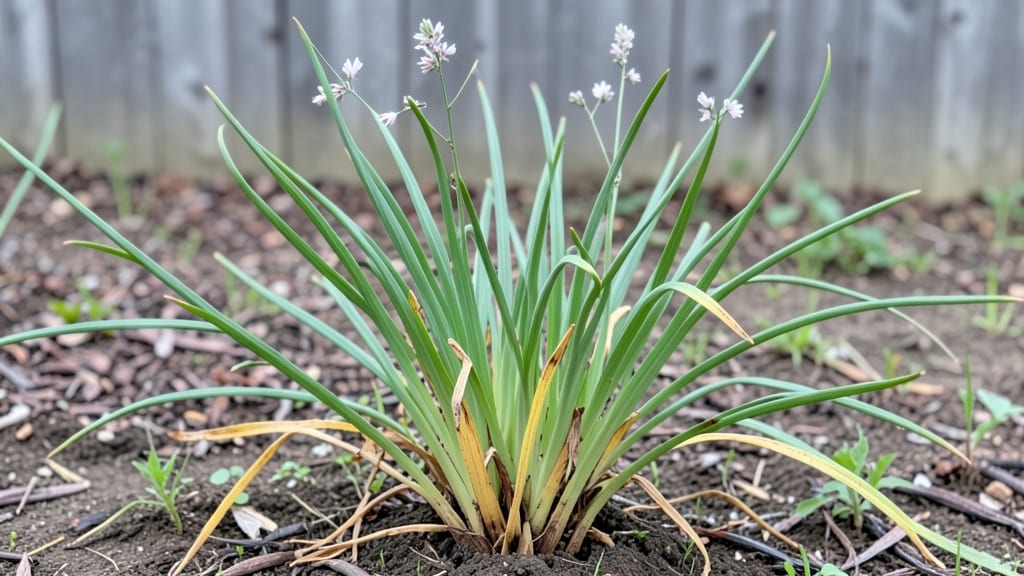
Growing lemon grass flowers 🌿 from stems unlocks a fragrant, tropical surprise most gardeners miss.
Did you know that lemon grass—best known for its fragrant culinary uses—can produce delicate, fragrant white flowers that attract pollinators and add tropical charm to your garden? Growing these blooms from stems is easier than you think, and this guide will show you exactly how to cultivate these stunning flowers.
With the right timing and care, your spring-planted lemon grass in USDA Zone 6a can burst into blooms by summer, transforming your yard into a fragrant oasis. The key lies in understanding its light, water, and soil needs—and avoiding common pitfalls that keep flowers from appearing.
Here’s how to turn those familiar kitchen stalks into a thriving, flowering plant that brings both beauty and aroma to your outdoor space.
How to propagate lemon grass flowers from stems: step-by-step guide
Propagating lemon grass flowers from stems is a rewarding way to expand your garden with these fragrant, tropical blooms. The key is selecting healthy citronella stems and creating the right conditions for root development.
Whether you're rooting in water or soil, following these steps ensures your cuttings thrive and eventually produce those delicate white flowers that hummingbirds adore.
I’ve found that spring or early summer is the best time to start propagation, when the plant is actively growing. Lemon grass stems root surprisingly fast—often within 2-4 weeks—if you provide the right balance of moisture, warmth, and indirect light.
Let’s dive into the exact steps to maximize your success rate and avoid common pitfalls like rot or stunted growth.
Step-by-Step Guide to Propagating Lemon Grass Flowers
- Step 1: Select Healthy Stems Choose mature lemon grass stalks that are at least 12 inches tall with 3-4 nodes. Look for vibrant green leaves and firm stems—avoid any that are yellowing or mushy.
- Step 2: Prepare the Cutting Use a clean, sharp pair of pruning shears to cut the stem at a 45-degree angle, just below a node. Remove the lower leaves to expose the bare stem for rooting.
-
Step 3: Choose Your Rooting Method
- Water Propagation: Place the cutting in a jar of room-temperature water, ensuring the nodes are submerged. Change the water every 2-3 days.
- Soil Propagation: Dip the cut end in rooting hormone (optional) and plant in moist, well-draining soil. Cover with a plastic bag to retain humidity.
- Step 4: Provide Ideal Conditions Keep your cuttings in a warm spot (70-80°F) with bright, indirect light. Avoid direct sunlight, which can overheat the cuttings. Maintain high humidity by misting daily or using a humidity dome.
- Step 5: Monitor Root Growth For water propagation, roots should appear in 2-3 weeks. For soil, gently tug the cutting after 3-4 weeks—if resistance is felt, roots have formed. Transplant soil-rooted cuttings to pots with well-draining potting mix.
- Step 6: Acclimate and Transplant Once roots are 1-2 inches long, gradually introduce the new plants to outdoor conditions over 7-10 days. Plant in full sun with rich, sandy soil for best growth and flowering.
One of the biggest mistakes I see is overwatering the cuttings, which can lead to rot. Lemon grass roots need oxygen, so if rooting in water, ensure only the nodes are submerged—not the entire stem.
For soil propagation, avoid compacting the soil around the cutting, as this can suffocate the emerging roots.
After transplanting, your new lemon grass plants will focus on establishing their root system before flowering. With consistent care, you can expect delicate white blooms to appear in 6-12 months, depending on growing conditions. These flowers not only add beauty but also attract beneficial pollinators to your garden.
Pro tip: If you’re growing lemon grass for both culinary and ornamental purposes, prune the flower stalks as they emerge. This encourages the plant to produce more leaves and delays flowering, giving you a longer harvest window for your kitchen.
Remember, patience is key when propagating lemon grass. The first few weeks are critical, but once your cuttings establish roots, they’ll grow with minimal effort. With these steps, you’ll be well on your way to a thriving patch of fragrant lemon grass flowers in no time!
🌿
Best conditions for growing lemon grass flowers: light, soil, and care
Lemon grass flowers thrive when you replicate their natural tropical environment. These delicate blooms need bright sunlight, well-draining soil, and consistent moisture to flourish. Whether you're growing them in containers or garden beds, understanding their ideal conditions will help you coax those fragrant white flowers to appear.
The key is mimicking the warm, humid climates they love while avoiding common pitfalls like overwatering or poor drainage.
First, let's look at the essential growing conditions in one easy-to-reference table. This will help you quickly assess whether your garden setup meets lemon grass flower requirements before planting. The right balance of light exposure, soil composition, and temperature control makes all the difference in encouraging blooms.
| Condition | Specification | Notes |
|---|---|---|
| Light Requirements | 6+ hours full sun daily | South-facing windows or direct garden sunlight |
| Soil Type | Well-draining, sandy loam | Add perlite or compost for aeration |
| Watering Schedule | 1-2 inches per week | Morning watering to prevent fungal issues |
| Temperature Range | 70-90°F (21-32°C) | Frost-sensitive; protect below 50°F (10°C) |
| Humidity Needs | 60-80% | Use pebble trays or misting for indoor plants |
| pH Level | 5.5-7.0 | Test soil annually and amend as needed |
For sunlight exposure, lemon grass flowers demand at least 6 hours of direct sun per day. In my garden, I've found that placing them near a south-facing window or in a sheltered outdoor spot yields the best results.
If your climate gets too hot, provide afternoon shade to prevent leaf scorch. The white flowers will only appear if the plant receives sufficient light, so don't skimp on this essential.
When it comes to soil composition, lemon grass flowers prefer well-draining sandy loam mixed with organic matter. I always add a 20% perlite or compost blend to improve aeration and prevent root rot.
If your garden soil is heavy clay, consider growing them in raised beds or large containers with drainage holes. The roots need oxygen to thrive, and compacted soil will stunt their growth.
Watering is another critical factor. Lemon grass flowers need consistent moisture but hate soggy roots. I water mine every 3-4 days in summer, ensuring the top inch of soil stays slightly damp. For indoor plants, I use a moisture meter to avoid overwatering.
Always water at the base of the plant rather than overhead to prevent fungal diseases. Yellowing leaves often signal either overwatering or poor drainage, so adjust accordingly.
Temperature plays a huge role in flowering. Lemon grass flowers thrive in 70-90°F (21-32°C) ranges and will struggle below 50°F (10°C). In colder climates, grow them in containers that you can move indoors during winter.
If you notice stunted growth or pale leaves, it's likely too cold. A simple greenhouse or cold frame can extend your growing season significantly.
Finally, don't forget about humidity. These tropical plants love 60-80% humidity. In dry climates, I place my pots on pebble trays filled with water or use a humidifier nearby. For outdoor gardens, group them with other water-loving plants to create a microclimate.
With these conditions met, you'll be rewarded with fragrant white blooms that attract butterflies and bees to your garden.