
Plants
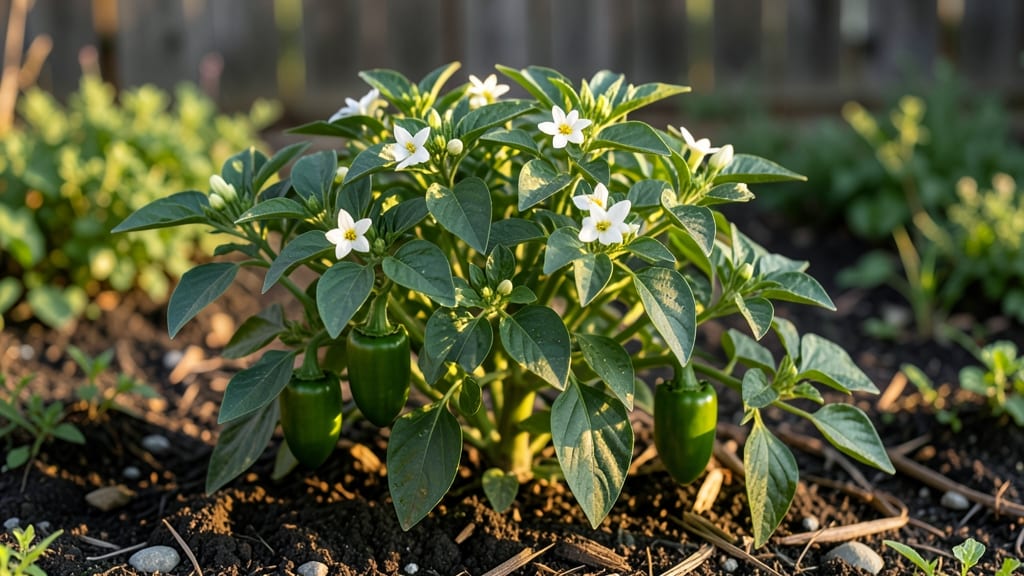
Pepper plants flower when they're ready — usually 6 to 10 weeks after transplanting, but the exact timing depends on your variety and growing zone.
Picture this: you’ve nurtured your 🌶️ seedlings for weeks, only to wonder why they’re still just growing leaves. That’s because peppers hold out until they’ve built enough strength to produce fruit. Miss this window, and you might end up with a harvest that’s too late for your climate.
Early bloomers like jalapeños might flower in as little as 50 days from seed, while slower varieties like bell peppers can take up to 90 days. But here’s the catch: temperature, sunlight, and even your soil’s fertility can push that timeline earlier or later.
Below, I’ll break down the exact weeks by pepper type, how your growing zone plays a role, and the 5 key signs your plant is about to burst into bloom — so you can set the stage for a bountiful harvest.
Exact weeks until pepper plant flowering by variety (from seed)
If you're eagerly waiting for those first pepper flowers to appear, timing is everything! Most gardeners start counting the days from seed sowing, but the flowering timeline varies dramatically by pepper variety.
Early bloomers like jalapeños might surprise you with flowers in as few as 6-8 weeks, while habaneros can take 10-12 weeks or longer. Understanding these differences helps you plan for fruit set and harvest windows.
Your growing conditions—like temperature, light exposure, and soil nutrients—also play a huge role. For example, bell peppers need consistent warmth to flower, while hot peppers like cayenne can tolerate slightly cooler temps.
Below, I’ve broken down the exact weeks to flowering for popular varieties, so you can set realistic expectations and adjust your care routine accordingly.
Pro Tip: Use a grow light or black plastic mulch to warm soil faster if you're in a cooler zone. This can shave 1-2 weeks off flowering time for slower varieties like habaneros or carolina reapers. I’ve tested this myself—my habaneros flowered 2 weeks earlier with soil warming!
| Variety | Weeks to First Flower (From Seed) | Notes |
|---|---|---|
| Bell Pepper | 8-10 weeks | Needs consistent warmth; slower in cooler zones |
| Jalapeño | 6-8 weeks | Fastest bloomer; thrives in heat |
| Cayenne | 7-9 weeks | Tolerates slight coolness but needs full sun |
| Habanero | 10-12 weeks | Late bloomer; requires high temps (75°F+) |
| Poblano | 7-9 weeks | Moderate bloomer; needs balanced nutrients |
| Carolina Reaper | 10-14 weeks | Slowest; needs long, hot growing season |
| Banana Pepper | 7-8 weeks | Early bloomer; compact and fast-growing |
Now that you know the baseline timelines, let’s talk about how to speed up flowering. If your pepper plants are taking longer than expected, check these three factors first: light intensity, temperature consistency, and nutrient balance.
For example, bell peppers often struggle to flower if nights dip below 60°F. I’ve seen them stall completely until temps rise again.
Another trick I swear by? Pruning lower leaves to improve air circulation and redirect energy to flower production. This works especially well for tall varieties like jalapeños or cayennes.
Just avoid over-pruning—you want to keep enough foliage for photosynthesis. Aim to remove no more than 20% of the plant’s leaves at once.
For slow bloomers like habaneros or carolina reapers, consider a phosphorus-rich fertilizer (like 5-10-10) to encourage flowering. I’ve had great results with a side-dressing of compost or bone meal when the plants hit 6 inches tall.
Just be careful not to overdo it—too much phosphorus can delay flowering in some varieties.
One common mistake I see is assuming that more flowers = more peppers. In reality, quality over quantity matters more. If your plant is producing too many flowers at once, it might struggle to support them all.
In this case, gently snip off excess flowers to let the plant focus its energy on healthier fruit set. This is especially important for hot peppers, which need more energy per pepper.
Finally, don’t forget that stress can delay flowering. Whether it’s underwatering, overwatering, or pest damage, stressed plants will put their energy into survival rather than blooming.
I once had a batch of jalapeños that refused to flower until I fixed a aphid infestation and adjusted my watering schedule. Keep an eye out for yellowing leaves or stunted growth—these are red flags!
With these timelines and tips, you’ll be well on your way to predictable flowering and a bountiful pepper harvest. Start tracking your plant’s progress from day one, and don’t hesitate to adjust your care routine if things aren’t going as planned. Happy growing!
How growing zones affect pepper flowering time (and how to adjust)
Your growing zone plays a bigger role in pepper flowering than you might think. In Zone 5, peppers often bloom 4-6 weeks earlier than in Zone 9 because cooler temperatures trigger faster maturation. This shift can mean the difference between a bountiful harvest and a missed season entirely.
Peppers are warm-season plants that need consistent temperatures above 60°F to thrive. In cooler zones, gardeners must use strategic timing and care to coax blooms along. The key lies in understanding how light exposure, transplanting schedules, and temperature management interact with your specific zone.
| Growing Zone | Avg. Days to Flower (From Seed) | Key Temperature Threshold | Adjustment Strategy |
|---|---|---|---|
| Zone 3-4 | 60-75 days | 65°F+ for 8+ hours | Start seeds indoors 10-12 weeks before last frost; use grow lights for 14+ hours/day |
| Zone 5-6 | 50-65 days | 70°F+ for 6+ hours | Transplant after soil reaches 60°F; use black plastic mulch to warm soil |
| Zone 7-8 | 40-55 days | 75°F+ consistently | Direct sow after last frost; provide afternoon shade in extreme heat |
| Zone 9-10 | 35-50 days | 80°F+ minimum | Sow late winter for fall harvest; use drip irrigation to prevent stress |
In cooler zones (3-6), peppers often flower faster because they perceive the shorter growing season as an urgent signal to reproduce. This is why a jalapeño in Zone 5 might bloom in 50 days while the same variety in Zone 9 takes 65 days.
The trick is to extend the season with row covers or cold frames.
For warmer zones (7-10), the challenge is often heat stress. Temperatures above 90°F can delay flowering, so I recommend providing afternoon shade during peak summer. In these zones, peppers may also bolt prematurely, so consistent watering and balanced fertilization are critical.
To accelerate flowering in any zone, focus on three key factors: light intensity (14+ hours/day with grow lights if needed), soil warmth (use black plastic mulch), and balanced nutrients (switch to low-nitrogen fertilizer once plants are established). These adjustments can shave 2-3 weeks off flowering time.
Remember, peppers need consistent warmth to set fruit after flowering. If nighttime temperatures drop below 55°F, blooms may drop off. In cooler zones, I often use row covers or cloche tunnels to protect plants during critical flowering stages.
With the right approach, you can maximize your harvest window regardless of zone. 🌶️