
Flowers
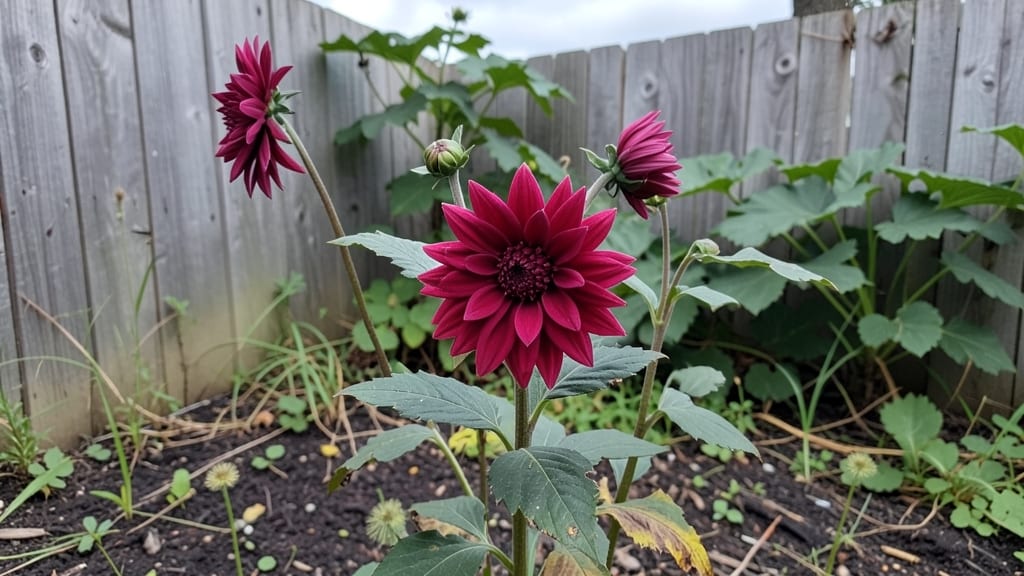
Growing cactus-flowered dahlias 🌸 transforms your garden into a desert mirage—spiky, sculptural blooms that defy the usual soft petals of traditional dahlias.
Imagine a garden where cacti and dahlias collide, creating flowers that look like they belong in a sunbaked oasis rather than a flowerbed. These striking varieties bring bold, architectural drama to any space, and they’re surprisingly easy to cultivate once you know the tricks.
What makes them stand out? Their thick, pointed petals mimic succulents, while their vibrant colors—from deep magenta to sunny yellow—add a modern twist to classic flower beds. Whether you’re designing a border or filling containers, these dahlias deliver high-impact beauty with minimal fuss.
Below, I’ll show you how to choose the best varieties, pair them with complementary plants, and keep them thriving from spring through fall—so you can enjoy their exotic allure all season long.
How to identify and grow cactus-flowered dahlias for maximum impact
Cactus-flowered dahlias are the architectural marvels of the garden world, with their spiky, layered petals that mimic desert cacti. These dahlias stand out with their 10-15 petals per bloom, creating a dramatic, almost sculptural appearance. Unlike other dahlia types, their ruffled edges and pointed tips give them a distinct, almost otherworldly look that’s perfect for modern or desert-inspired gardens.
The key to identifying them is their petal structure—each layer curves outward like a cactus spine, with a slightly tubular center that opens into a flat or slightly rounded bloom.
Colors range from deep burgundy and fiery orange to soft pink and creamy white, often with two-tone or gradient effects that add depth. These blooms can reach 4-8 inches wide, making them a stunning focal point in any landscape.
Growing cactus-flowered dahlias successfully starts with understanding their unique care requirements. They thrive in full sun (at least 6 hours daily) and well-draining soil to prevent root rot—a common issue with dahlias.
Unlike their more delicate cousins, these varieties are drought-tolerant once established, but they still need consistent moisture during their growing season to produce those showstopping blooms.
| Characteristic | Details |
|---|---|
| Petal Structure | 10-15 layered, spiky petals per bloom |
| Bloom Size | 4-8 inches wide |
| Sunlight Needs | Full sun (6+ hours daily) |
| Soil Type | Well-draining, fertile soil (pH 6.5-7.0) |
| Watering Schedule | Deep watering every 3-5 days (adjust for heat) |
| Fertilizer | Balanced 10-10-10, every 4-6 weeks |
| Mature Height | 2-5 feet (depends on variety) |
| Bloom Season | Summer to early fall (July-October) |
| Winter Care | Dig up tubers, store in dry peat moss |
One of the biggest mistakes gardeners make with cactus-flowered dahlias is overwatering. While they need consistent moisture, soggy soil leads to root rot and fungal diseases. Instead, aim for deep watering at the base of the plant in the early morning to reduce evaporation and fungal risks.
Mulching around the base with organic matter (like straw or shredded leaves) helps retain moisture while improving soil structure over time.
When it comes to planting, start with tubers in spring after the last frost date in your area. Plant them 4-6 inches deep and 12-18 inches apart to give their robust root systems room to grow.
If you’re growing in containers, choose pots that are at least 12 inches deep and use a fast-draining potting mix to prevent waterlogging. Containers also allow you to move plants to optimal sunlight spots as needed.
To encourage maximum blooming, feed your dahlias with a balanced fertilizer (like 10-10-10) every 4-6 weeks during the growing season. Start fertilizing when you see new growth in spring and continue until late summer.
Avoid heavy nitrogen feeds, as they promote leafy growth over flowers. Instead, focus on a phosphorus-rich fertilizer to boost blooming.
Deadheading—removing spent blooms—is another critical step to keep your cactus-flowered dahlias producing new flowers all season. Use clean pruners to snip off blooms just above a set of leaves or a bud to encourage branching.
This practice not only improves appearance but also redirects energy into growing more flowers rather than seed production. Aim to deadhead weekly during peak bloom season.
In late fall, as temperatures drop, cactus-flowered dahlias will slow down and eventually die back. Before the first frost, dig up tubers and store them in a cool, dry place (like a garage or basement) wrapped in dry peat moss or vermiculite. This protects them from freezing and
Top 5 cactus-flowered dahlia varieties that look like desert succulents
Transforming your garden into a desert mirage is easier than you think with cactus-flowered dahlias—these varieties boast spiky, sculptural blooms that mimic the rugged elegance of succulents and cacti. Their architectural forms and vibrant hues create striking focal points, perfect for modern landscapes or xeric gardens.
Whether you crave deep burgundy or sun-kissed yellows, these five standout varieties deliver drama with minimal fuss.
What makes these dahlias truly special is their ability to thrive in hot, dry climates while still demanding the rich blooms gardeners adore. Unlike traditional dahlias, their petal shapes resemble cactus spines, creating a textural contrast that’s both unexpected and breathtaking.
Pair them with agave, yucca, or lavender to amplify that desert-inspired aesthetic—your garden will feel like a hidden oasis.
'Cactus Queen' steals the show with its deep magenta blooms and sharp, cactus-like petals that reach up to 4 inches wide. This variety thrives in full sun and well-draining soil, making it ideal for rock gardens or container displays. Its bold color contrasts beautifully with silver foliage plants like artichoke or lamb’s ear, creating a modern, sculptural look that’s impossible to ignore.
'Bishop' offers a sunset-inspired palette with burnt orange and deep red petals that fade to creamy yellow at the edges. Its ruffled, cactus-like texture adds depth and movement to any arrangement. Plant it near agave or yucca to enhance that Southwest vibe—this variety also attracts hummingbirds, adding an extra layer of garden life.
For a soft yet striking option, 'Galaxy' features dark purple petals with chartreuse centers, mimicking the spiky silhouette of a cactus. This mid-sized variety (2-3 feet tall) works beautifully in mixed borders or as a cut flower.
Its unique color contrast makes it a conversation starter, especially when paired with lavender or dusty miller for a moody, desert-inspired palette.
If you love creamy neutrals, 'Cafe au Lait' delivers with off-white blooms and deep green centers that resemble succulent pads. This variety’s elegant, spiky form adds texture without overwhelming your garden.
Use it as a filler in containers or alongside grasses like fountain grass for a relaxed, naturalistic look that still feels dramatic.
Finally, 'Mignon' brings compact size (1-2 feet tall) and bright pink blooms with cactus-like petal edges, perfect for small spaces or window boxes. Its vibrant color pops against gray-green foliage, making it a showstopper in modern landscapes. Deadhead regularly to encourage continuous blooms all season long.