
Flowers
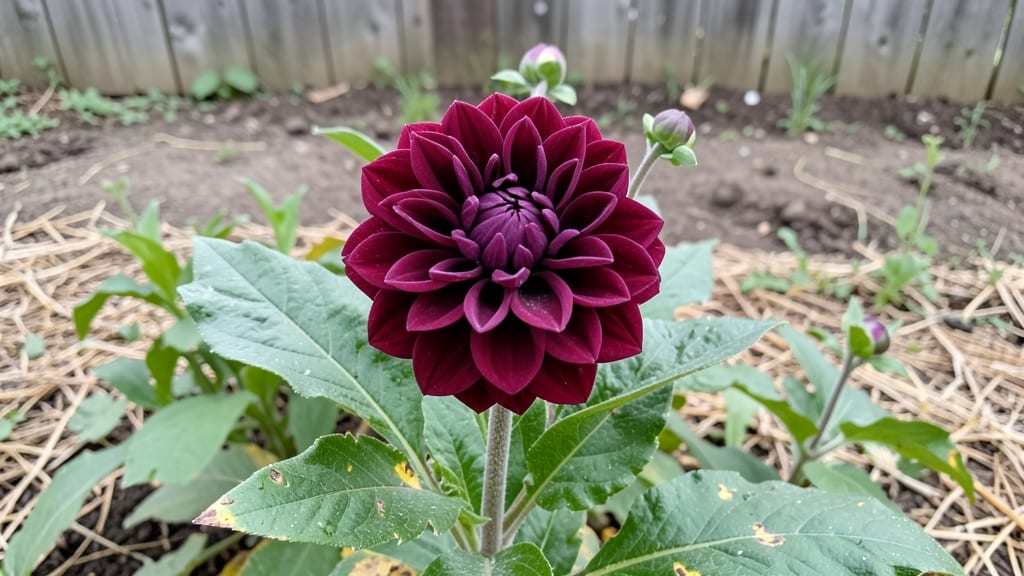
Growing peony flowered dahlias 🌸 means bringing velvety peony-style blooms to your garden with far less fuss than traditional peonies.
Imagine dahlias with the lush, romantic blooms of peonies—thick, layered petals in velvety textures that last for weeks. These hybrids are the dream for gardeners who want dramatic flowers without the high-maintenance care of classic peonies.
If you’re in USDA Zone 6a, you’ll want to plant these beauties between April and May, after the last frost. With the right soil, sunlight, and a little TLC, you’ll enjoy blooms from July through October—longer than most dahlias and with far more romance.
Below, I’ll walk you through everything from soil prep to pruning, so you can grow these stunning varieties with confidence—and maybe even impress your neighbors with bouquets that look like they came from a high-end florist.
Why peony-flowered dahlias outshine traditional dahlias and peonies
If you love the romantic, velvety blooms of peonies but wish they bloomed longer and thrived easier, peony-flowered dahlias are your perfect match. These hybrids combine the lush petal layers of peonies with the vigorous growth of dahlias.
Unlike traditional peonies, which bloom for just 2-3 weeks annually, peony-flowered dahlias produce continuous blooms from summer to frost.
Traditional dahlias offer stunning variety, but their thin, papery petals don’t hold up well in bouquets. Peonies, while luxurious, are short-lived bloomers and prone to bacterial blight. Peony-flowered dahlias solve both problems with thick, layered petals that last 10-14 days in vases and disease-resistant foliage.
Their hybrid vigor also means fewer pests and stronger stems.
For gardeners, this means less maintenance and more impact. They’re ideal for cut flower arrangements because their blooms stay fresh longer than traditional dahlias. In the garden, they serve as dramatic focal points with their bold, peony-like forms and rich colors ranging from deep purples to creamy whites.
Let’s break down how peony-flowered dahlias stack up against their classic counterparts in key categories:
🌸
The longer bloom time of peony-flowered dahlias makes them a cut flower superstar. Unlike traditional dahlias, their thick petals hold up beautifully in arrangements, while their disease resistance means fewer headaches in the garden.
If you’ve ever struggled with peony blight or dahlia mildew, these hybrids offer a low-maintenance alternative with the same wow factor.
For garden focal points, peony-flowered dahlias win with their bold, peony-like blooms that stand out in mixed borders. Their upright growth habit also means they don’t flop like some dahlias, making them ideal for back-of-border plantings.
Plus, their continuous blooming ensures your garden stays vibrant from July through October.
If you’re a cut flower enthusiast, these dahlias are a game-changer. Their long vase life and peony-like texture let you create arrangements that last twice as long as traditional dahlias. For beginner gardeners, their disease resistance and easy care make them a
Peony-flowered dahlias are my favorite for their romantic, layered blooms that resemble peonies but with the hardiness of dahlias. These varieties thrive with the right care, and I’ve learned the secrets to coaxing vibrant, long-lasting flowers from their tubers. Whether you're a beginner or a seasoned gardener, these steps will help you grow showstopping dahlias that bloom from summer to frost. The key to success starts with well-prepared soil and proper planting techniques. Unlike delicate peonies, peony-flowered dahlias need rich, well-draining soil and full sun exposure to reach their full potential. I’ve planted mine in raised beds and in-ground gardens, and both methods work—just adjust the soil mix accordingly. Let’s dive into the step-by-step process to ensure your dahlias flourish. Once your peony-flowered dahlias are established, they’ll reward you with weeks of stunning blooms. I’ve found that regular deadheading (removing spent flowers) encourages more blooms, and mulching in late summer helps protect tubers from harsh winters. These varieties are also great for cut flowers—just harvest stems when buds begin to swell for the longest vase life. If pests like slugs or aphids become an issue, I recommend using neem oil or diatomaceous earth for organic control. Peony-flowered dahlias are generally disease-resistant, but poor airflow or overwatering can lead to fungal issues. Always water at the base of the plant in the morning to keep foliage dry. With these steps, your garden will soon be filled with lush, peony-like dahlias that bloom from summer to frost. These varieties are perfect for cut flower arrangements, garden borders, or as dramatic focal points. Happy gardening! 🌸How to grow peony-flowered dahlias: step-by-step planting and care guide
Step-by-Step Guide to Planting and Caring for Peony-Flowered Dahlias
Select a spot with 6+ hours of direct sunlight daily. Peony-flowered dahlias thrive in full sun and need it to produce their largest, most vibrant blooms.
Mix compost or aged manure into the soil to improve drainage and fertility. Aim for a pH of 6.5-7.0—test your soil if unsure.
Bury tubers 4-6 inches deep, with the eyes (growth points) facing upward. Space them 12-18 inches apart for optimal airflow.
Water 1-2 gallons per plant immediately after planting. Keep soil consistently moist but avoid waterlogging to prevent rot.
Use a balanced fertilizer (5-10-10) every 4-6 weeks during the growing season. Start fertilizing when shoots emerge.
Pinch back young shoots to 12-18 inches in early summer to encourage branching and more flowers. Remove dead or diseased foliage regularly.
After the first frost, cut back stems to 2-3 inches above ground. Mulch heavily with straw or leaves to protect tubers from freezing.