
Shrubs
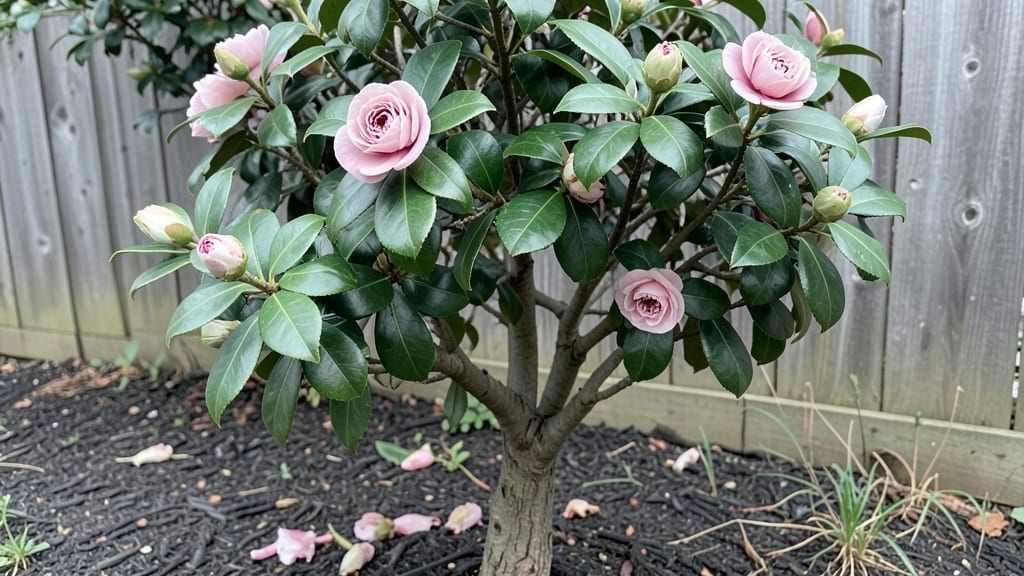
The camellia flower tree 🌸 thrives in acidic soil and partial shade, but even the hardiest varieties need the right care to keep blooming year after year.
Picture this: You’ve just planted your camellia flower tree in that perfect spot, only to watch its leaves yellow by summer or its buds drop before opening. Without the right soil pH, watering schedule, or pruning timing, even the most stunning varieties can struggle to reach their full potential.
This guide covers everything from soil prep to seasonal adjustments—so you can enjoy those velvety blooms from winter through spring without the guesswork. Whether you’re planting outdoors in USDA Zone 6 or keeping one as a potted showstopper, these essential tips will keep your camellia healthy and vibrant.
From fertilizing for maximum blooms to troubleshooting common pests, you’ll learn how to give your camellia flower tree the care it deserves for years of lush, eye-catching growth.
Camellia flower tree care: soil, sunlight, and watering essentials for optimal blooms
Your camellia flower tree thrives when you mimic its natural habitat—think acidic soil, dappled sunlight, and consistent moisture. These three elements directly impact your plant’s ability to produce velvety blooms and maintain lush foliage.
Without them, even the hardiest camellia will struggle with bud drop or stunted growth. Let’s break down exactly what your plant needs to flourish.
Camellias are finicky about their environment, but once you master their preferences, they reward you with year-round interest. Whether you’re a first-time grower or refining your skills, understanding soil pH, sunlight exposure, and watering schedules is key.
I’ll walk you through each factor so you can create the perfect conditions for your camellia tree to shine.
Your camellia’s soil must be acidic (pH 5.0-6.0)—this is non-negotiable. If your garden soil is alkaline, amend it with peat moss or pine bark before planting. Test your soil every 2-3 years to ensure it stays in the ideal range.
Camellias hate alkaline soil, which can lead to yellowing leaves and poor blooming. I once had a camellia struggling with chlorosis (yellow leaves) until I adjusted the soil pH—it bloomed like crazy afterward!
When it comes to sunlight, think partial shade. Your camellia needs 4-6 hours of morning sun but should be protected from hot afternoon rays, especially in USDA Zones 8-10.
If you’re in a hot climate, a lattice or sheer curtain can filter sunlight while allowing airflow. I’ve seen camellias in full sun develop sunburned leaves, so always prioritize dappled light.
Watering your camellia flower tree requires balance—too little causes bud drop, while too much leads to root rot. Aim for a deep soak (1-2 gallons) every 7-10 days in spring and fall. In summer, reduce to bi-weekly watering unless your area experiences extreme heat.
Always water in the morning to let foliage dry before nightfall, reducing fungal risks. I water mine at 7 AM and notice fewer issues with powdery mildew.
Seasonal adjustments are critical for year-round care. In fall, mulch your camellia with pine needles or oak leaves to insulate roots and maintain soil acidity. During winter, reduce watering to bi-weekly in frost-prone zones, but keep soil slightly moist.
In spring, resume regular watering and fertilize with an acid-loving formula to encourage new growth and bloom production.
Newly planted camellias need extra attention. For the first year, water every 3-5 days to help roots establish. Avoid letting the soil dry out completely, as this stresses the plant.
I’ve seen many gardeners overlook this step, leading to transplant shock. If you’re planting in summer, provide extra shade and water daily until roots settle.
Potted camellias have different needs than in-ground plants. Since containers dry out faster, check soil moisture every 5-7 days. Use a pot with drainage holes and a mix of peat moss and perlite to mimic well-draining soil.
I repot mine every 2-3 years to refresh the soil and prevent root-bound stress. Always choose a container 2-3 inches larger than the current root ball.
One common mistake is assuming camellias are drought-tolerant. While mature plants handle dry spells better, they still need consistent moisture, especially during blooming season. If you notice drooping leaves or buds falling off, it’s a sign of underwatering.
On the flip side, soggy soil leads to root rot, so always prioritize
Pruning and fertilizing your camellia tree: step-by-step guide for year-round health
Your camellia flower tree thrives with the right balance of pruning and fertilizing. Pruning shapes your plant, improves airflow, and encourages vibrant blooms, while fertilizing provides essential nutrients.
Timing and technique are everything—do it wrong, and you risk stunted growth or fewer flowers. Let’s dive into the best practices for keeping your camellia healthy year-round.
Prune your camellia tree at the right time to avoid damaging next year’s blooms. Most varieties bloom on old wood, so prune immediately after flowering in spring. If you prune in late summer or fall, you risk cutting off next season’s flower buds.
Use sharp, clean pruning shears to make cuts just above a leaf node or bud, ensuring a clean wound that heals faster.
Step-by-Step Pruning & Fertilizing Guide
-
Step 1: Prune for Shape
Remove dead or crossing branches first. Thin out overcrowded areas to improve air circulation and reduce disease risk. -
Step 2: Cut Back Overgrowth
Trim long, leggy branches by 1/3 to encourage bushier growth. Avoid heavy pruning—stick to light shaping. -
Step 3: Fertilize in Spring
Apply an acid-loving fertilizer (8-10-10 NPK) in early spring as buds form. Use 1 tbsp per plant and water thoroughly. -
Step 4: Light Summer Feeding
Switch to a light feed (½ tbsp) every 6-8 weeks during summer to sustain blooms without overloading the plant. -
Step 5: Mulch & Skip Fall/Winter
Add 2-3 inches of mulch in fall to retain moisture and protect roots. No fertilizer is needed during dormancy.
When fertilizing, organic options like compost or fish emulsion work well for camellias, but synthetic fertilizers can deliver faster results. Always water your plant before and after fertilizing to prevent root burn.
Over-fertilizing is a common mistake—too much nitrogen leads to leafy growth at the expense of flowers, while too much phosphorus can harm roots.
Avoid these pruning mistakes: cutting into old wood too harshly, pruning in winter, or using dull shears that tear branches. Instead, focus on light shaping and airflow improvement. If your camellia isn’t blooming well, check your fertilizer balance—too much nitrogen reduces flowers, while phosphorus promotes blooms.
With consistent pruning and fertilizing, your camellia flower tree will reward you with lush foliage and stunning blooms for years. Start with spring pruning, feed lightly in summer, and let it rest in fall and winter. Your efforts will pay off in a garden showstopper! 🌸