
Blooming
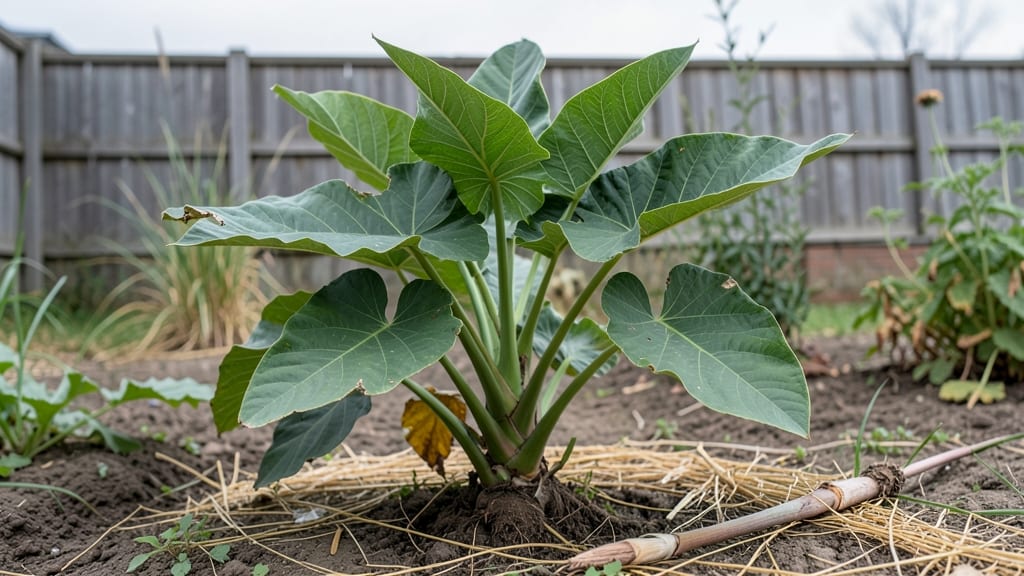
Canna plants not flowering? That wall of green leaves is gorgeous, but I’ll show you how to coax those dramatic blooms out of your cannas—no more foliage-only seasons. 🌿 The problem usually boils down to sunlight, food, or timing, and fixing it is simpler than you’d think.
I’ve turned my own stubborn cannas into flowering superstars by adjusting just a few things.
First, check the light—cannas need 6+ hours of direct sun daily, especially in summer when they’re pushing blooms. If your plants are in shade, move them or thin nearby trees. Then there’s fertilizer: too much nitrogen makes them grow leaves, not flowers.
Switch to a low-nitrogen, bloom-boosting formula like 5-10-10 in early summer, and you’ll see a difference in weeks. Pruning old stalks after flowering also tricks the plant into storing energy for next season.
You’ll start seeing flower buds within 4-6 weeks of making these changes, and by late summer, your cannas will be covered in those bold, tropical blooms. The key is consistency—don’t let them dry out or get crowded, and they’ll reward you with months of color.
Confession: I used to give up on mine, but now they’re the showstoppers of my garden.
Works for both in-ground and container cannas, and the fixes apply whether you’re in a hot, humid climate or a milder zone. Let’s get those blooms happening—your garden deserves the drama! (Yes, I mean that literally.)
Why it happens
If your Canna lilies are putting all their energy into lush, vibrant foliage but refusing to bloom, don’t panic—you’re not alone! 🌿😅 The reasons behind this stubbornness often boil down to a few key factors rooted in plant biology and environmental cues.
Understanding these causes is the first step toward encouraging those stunning, tropical blooms you’ve been waiting for. Let’s break down the science and why your cannas might be holding out.
🌡️ Insufficient Temperature Triggers
Cannas are warm-season plants, and they rely on consistent temperatures to signal the right time to flower. If your region experiences sudden cold snaps or if your cannas are planted in an area with inconsistent warmth, they may delay blooming until conditions stabilize.
- Daytime vs. Nighttime Temps: Cannas typically need daytime temperatures above 75°F (24°C) and nighttime temps above 60°F (15°C) to trigger flowering. If nights dip below this, the plant conserves energy for survival rather than reproduction.
- Cold Stress: Even a single frost or prolonged cool spell can shock the plant, halting flower production. In USDA Zones 7 and below, cannas often need to be dug up and overwintered indoors to avoid temperature-related setbacks.
- Microclimates Matter: If your garden has pockets of cooler air (like near a shady wall or under trees), cannas in those spots may struggle to bloom while others in sunnier areas thrive.
💡 Pro Tip: Use a minimum-maximum thermometer near your cannas to track temperatures. If nights are too cool, consider mulching heavily or moving potted cannas to a sheltered spot.
☀️ Light Levels Fall Short
Cannas are heliophiles—they crave sunlight to produce flowers. When light is insufficient, the plant focuses on leaf growth to maximize photosynthesis, often at the expense of blooms. Think of it like a student cramming for one exam (foliage) instead of studying for another (flowers).
- Minimum Sunlight Needs: Cannas require at least 6–8 hours of direct sunlight daily. Below 6 hours, they’ll prioritize green growth over floral buds.
- Indirect Light Pitfalls: Dappled shade (like under a tree canopy) can trick cannas into thinking it’s spring, delaying blooms until they sense stronger light.
- North-Facing Gardens: In the Northern Hemisphere, north-facing beds often receive the least sunlight. If your cannas are planted here, they may never get the cue to flower.
🌞 Actionable Fix: If your garden lacks full sun, try these hacks:
- Relocate potted cannas to a sunnier spot mid-morning.
- Use reflective mulch (like white gravel) to bounce extra light onto the plants.
- Consider grow lights for indoor cannas in low-light conditions.
💧 Water and Nutrient Imbalances
Flowering is an energy-intensive process for plants, and cannas need the right balance of water and nutrients to fuel it. Too much or too little of either can derail bloom production.
| Issue | Why It Stops Blooms | Fix It |
|---|---|---|
| Overwatering | Excess moisture drowns roots, preventing nutrient uptake. The plant diverts energy to fixing oxygen deprivation, not flowers. | Ensure well-draining soil (amend with perlite or sand). Water only when the top 1–2 inches of soil are dry. |
| Underwatering | Stress from drought triggers survival mode, halting non-essential functions like blooming. | Use drip irrigation or soaker hoses for consistent moisture. Mulch to retain soil humidity. |
| Nitrogen Overload | Too much nitrogen (common in lawn fertilizers) promotes leafy growth at the expense of flowers. | Switch to a balanced fertilizer (10-10-10 or 5-10-10) with lower nitrogen and higher phosphorus (the "bloom booster"). |
| Phosphorus Deficiency | Phosphorus (P) is critical for energy transfer in plants, including flower development. Without it, buds may form but fail to open. | Apply a bone meal or phosphorus-rich fertilizer in early summer. |
✨ Bonus Tip: A foliar spray with seaweed extract (rich in growth hormones) can sometimes kickstart dormant flower buds in stubborn cannas.
🌱 Age and Plant Maturity
Young cannas (especially those grown from tubers or divisions) often take 1–2 years to mature enough to flower. Patience is key—think of it like a teenager hitting puberty! 😅
- First-Year Plants: If your cannas were planted last season, they may be too young to bloom. Focus on establishing a strong root system this year.
- Over-Mature Plants: Conversely, very old tubers (5+ years) can become exhausted, producing fewer blooms. Dividing and replanting rejuvenates them.
- Dormancy Confusion: If your cannas were dug up and stored improperly over winter, they may not have the energy reserves needed for spring blooming.
🔄 Solution:
- For young plants: Don’t fertilize heavily—let them grow naturally.
- For old tubers: Divide in early spring and replant sections to refresh growth.
- Store tubers in cool, dry conditions (40–50°F / 4–10°C) over winter to preserve energy.
🌿 Crowding and Competition
Cannas are sprawling plants, and when they’re planted too closely together, they’ll compete for resources—leaving little energy for flowers. Even aggressive neighboring plants can steal the spotlight.
- Root Bound Stress: If cannas are overcrowded in the ground or pots, their roots become tangled, limiting nutrient and water absorption.
- Weed and Grass Competition: Invasive weeds or grass can choke out cannas, forcing them to divert energy to survival.
- Potted Cannas: Small containers restrict root growth, preventing the plant from reaching its full flowering potential.
🌱 Fix It Now:
- Thin out cannas to 18–24 inches apart in the ground.
How to solve it
When your cannas are sporting lush green leaves but stubbornly refuse to bloom, the good news is that most fixes are simple and require just a little patience.
Below, we’ve mapped out the most common causes of non-flowering cannas and the actionable steps to coax those vibrant blooms out of hiding. Think of this as your canna plant’s personal cheat sheet to a show-stopping summer display!
###
🌡️ Too Much or Too Little Sunlight
Cannas thrive in full sun to partial shade, but too little light means no energy for blooms, while scorching afternoon sun can stress the plant. Here’s how to strike the right balance:
- 🔥 Move your cannas to a spot where they get 6–8 hours of direct sunlight daily. Morning sun + afternoon shade works best in hot climates.
- 🌿 Use shade cloth (30–50% coverage) if your area gets intense afternoon heat. Secure it 3–4 feet above the plants to avoid blocking light entirely.
- 📊 Monitor leaf color: Yellowing leaves = too much sun; pale, leggy growth = not enough.
💡 Prevention tip: Plant cannas near taller, sun-loving perennials (like daylilies or coneflowers) to provide natural shade in peak heat.
###
💧 Overwatering or Poor Drainage
Cannas hate soggy roots—too much water or compacted soil can stunt growth and delay blooming. Follow these steps to get the moisture right:
- 👨🍳 Check soil moisture by sticking your finger 2 inches deep. Water only when the topsoil feels dry.
- 🔪 Improve drainage by amending heavy clay soil with compost or perlite (mix in a 50/50 ratio).
- 🌧️ Use raised beds or containers if your garden retains too much water. Ensure pots have drainage holes!
💡 Prevention tip: Mulch around the base with 2–3 inches of organic mulch (like straw or shredded bark) to retain moisture without waterlogging.
###
🍽️ Nutrient Deficiencies or Over-Fertilizing
Too little (or too much!) fertilizer can derail blooming. Cannas need a balanced diet with a focus on phosphorus for flowers. Here’s how to fix it:
- 📊 Test your soil (a DIY kit costs $10 and saves guesswork). Aim for a pH of 6.0–7.0.
- 💪 Feed with a bloom booster like a 10-10-10 or 5-10-10 fertilizer (higher phosphorus = more flowers). Apply every 4–6 weeks during growing season.
- ⏰ Avoid late-season nitrogen—it encourages leafy growth but stops blooms. Switch to a low-nitrogen, high-phosphorus formula in summer.
💡 Prevention tip: Bone meal (a natural phosphorus source) sprinkled around the base in early spring can jumpstart flowering.
###
✂️ Overcrowded or Old Rhizomes
Cannas multiply underground, and crowded rhizomes compete for nutrients, leaving little energy for blooms. Here’s how to refresh them:
- 🔪 Dig up and divide rhizomes in early spring (before new growth). Separate clumps with at least 3–4 eyes (buds) per section.
- 🌱 Replant divisions 4–6 inches deep, spacing them 18–24 inches apart.
- 🌿 Trim dead or dying foliage in late fall to redirect energy to next year’s growth.
💡 Prevention tip: Divide every 2–3 years to keep plants vigorous. Older rhizomes (5+ years) often bloom less.
###
🌡️ Temperature or Climate Stress
Cannas need warmth to bloom. If your area gets late frosts, early cold snaps, or extreme heat, blooms may never appear. Try these fixes:
- 🌱 Plant in a sheltered spot (near a south-facing wall or under deciduous trees that provide shade in summer but let sun through in spring).
- 🔥 Use row covers in early spring to protect from frost until soil temps stay above 55°F (13°C).
- 🌿 Choose heat-tolerant varieties like ‘Stuttgart’ or ‘Wyoming’ if you live in a hot, dry climate.
💡 Prevention tip: Wait to plant until after the last frost date in your zone—cold soil slows growth and delays blooming.
🎯 Final Pro Tip: If your cannas still won’t bloom after trying these fixes, they might be too young. Cannas often take 1–2 years to mature enough for flowering. Be patient, and next season’s show will be worth the wait!
Frequently asked questions
Why do my cannas keep growing leaves but no flowers?
Your cannas might be prioritizing leaf growth due to insufficient sunlight (less than 6 hours of direct sun daily) or too much nitrogen in fertilizer. Cannas need warmth, light, and a balanced diet—switch to a low-nitrogen, high-phosphorus fertilizer like 5-10-10 to encourage blooms.
How do I fix overcrowded canna plants?
Dig up and divide your cannas in early spring, ensuring each section has 3-4 buds. Replant them 18-24 inches apart to reduce competition. Overcrowding drains energy, leaving little for flowers!
Can young cannas flower in their first year?
Most cannas take 1-2 years to mature enough to bloom. Focus on strong growth in year one—patience pays off! If you planted divisions last spring, they may bloom next summer.
What’s the best fertilizer for canna blooms?
Use a 10-10-10 or 5-10-10 fertilizer (balanced or bloom-focused) and apply it every 4-6 weeks during summer. Avoid high-nitrogen lawn fertilizers—they promote leaves, not flowers!
Should I prune my cannas to encourage flowering?
Yes! Trim dead or weak stems in early spring and cut back 1/3 of the foliage after flowering to redirect energy. Avoid heavy pruning in fall—let the plant store energy for next season.