
Trees
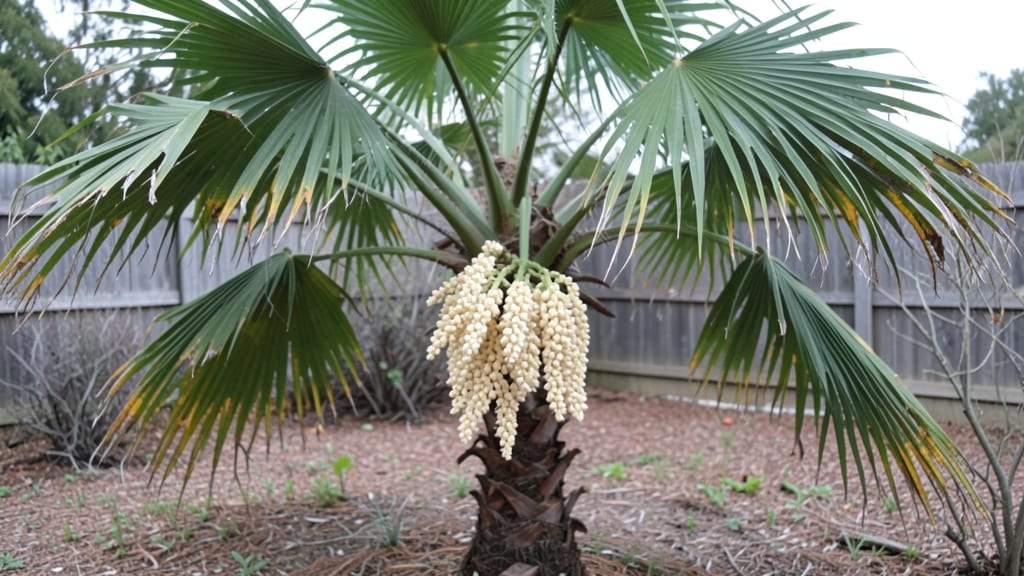
Your coconut tree’s flowers are the gateway to a harvest of 🥥—but most gardeners miss the 3-step window to turn those fragrant blooms into coconuts.
Did you know those delicate, cream-colored spikes only last 24 hours? Without proper pollination, they drop before ever forming fruit. I’ve seen thriving trees with no coconuts because of this exact oversight—and it’s easier to fix than you’d think.
In this guide, I’ll show you how to spot the male vs. female flowers (yes, they’re different), when to hand-pollinate for maximum yield, and the one mistake that kills 90% of homegrown coconuts before they ripen.
By the end, you’ll know exactly how to coax your Tropical Coastal 🥥 into producing dozens of coconuts—even if you’ve struggled before. Let’s get started.
How to identify coconut tree flowers at every growth stage
Spotting coconut tree flowers is your first step toward a bountiful harvest. These trees produce three flower types: male, female, and rare hermaphrodite blooms.
Each appears at different stages and requires distinct attention for successful pollination. Understanding their unique characteristics helps you time interventions for maximum fruit production.
Male flowers grow in dense, yellowish-green clusters along the tree’s trunk and lower fronds. They release fragrant pollen that must reach female flowers for fertilization. Female flowers, on the other hand, appear as single, cream-colored spikes emerging from leaf axils.
Hermaphrodite flowers are rare but combine both male and female parts in one bloom.
| Flower Type | Appearance | Bloom Stage | Pollination Window | Regional Variations |
|---|---|---|---|---|
| Male Flowers | Dense clusters, yellow-green, fragrant | Early morning, 6-8 AM | Spring to early summer | Hawaii: Year-round; Florida: Spring peak |
| Female Flowers | Single spikes, cream-colored, waxy | Late morning, 10 AM-12 PM | Spring to mid-summer | California: Summer blooms; Caribbean: Rainy season |
| Hermaphrodite | Rare, combined male/female, small clusters | Midday, 12 PM-2 PM | Late summer (occasional) | Tropical lowlands only |
Timing is critical for optimal pollination. Male flowers release pollen between 6-8 AM, making early mornings ideal for hand-pollination. Female flowers, however, are most receptive between 10 AM-12 PM.
If you’re in Hawaii or the Caribbean, blooms may appear year-round, while Florida and California see peak activity in spring and summer.
In tropical lowland regions, hermaphrodite flowers occasionally appear in late summer. These rare blooms can self-pollinate, but their presence is unpredictable. Focus on monitoring male and female flowers for consistent fruit production. Use a magnifying glass to inspect flower structures closely, especially if your tree isn’t producing coconuts.
Regional climate affects bloom cycles. For example, California’s coastal coconut groves experience summer blooms due to warmer temperatures, while Caribbean trees may bloom during rainy seasons. Adjust your pollination schedule based on local weather patterns to align with these natural rhythms.
Watch for flower drop as a sign of unsuccessful pollination. If flowers fall prematurely, it may indicate poor timing or lack of pollinators. In such cases, consider hand-pollination using a soft brush to transfer pollen from male to female flowers.
This method mimics natural pollination by beetles and flies, which are the tree’s primary pollinators.
Young coconut trees (3-5 years old) may produce flowers but fail to set fruit due to immaturity. Be patient—mature trees (10+ years) yield the best results.
If your tree is older but still not flowering, check for nutrient deficiencies (e.g., potassium or magnesium) or over-pruning, which can stress the tree and delay blooming.
Use a digital thermometer to monitor soil temperatures. Coconut flowers thrive in 75-85°F soil temps. If your region experiences cooler nights, consider mulching around the tree’s base to retain heat and encourage consistent blooming. This simple step can make a significant difference in flower production.
Document your tree’s bloom cycles in a garden journal. Note the dates of male and female flower appearances, as well as any hermaphrodite sightings. Over time, you’ll recognize patterns and predict the best times for manual pollination or natural pollinator visits.
This proactive approach ensures you’re always one step ahead in maximizing your coconut harvest.
Finally, avoid chemical pesticides near flowering trees, as they can harm pollinators like beetles and flies. Instead, use organic sprays or introduce beneficial insects to protect your flowers naturally. A healthy ecosystem around your coconut tree leads to better pollination and, ultimately, more coconuts.
Step-by-step natural pollination techniques to double your coconut yield
Ready to transform those fragrant coconut tree flowers into a bountiful harvest? Manual pollination is your secret weapon. Coconut palms rely on beetles, flies, and wind for pollination, but when nature falls short, a little human help can double your yield.
The best time to act is early morning when flowers are fresh and sticky with pollen grains. Grab your tools and let’s get started!
Before diving in, gather these essential tools: a soft paintbrush (for gentle pollen transfer), a small hand mirror (to spot hidden flowers), and a notebook to track pollination dates. Wear gloves to protect your hands from sticky resin.
Timing is everything—female flowers (the ones that grow into coconuts) open first, followed by male flowers 24–48 hours later. This window is your golden opportunity!
How to Hand-Pollinate Coconut Tree Flowers
-
Step 1: Identify Female Flowers
Look for small, green buds near the base of the coconut tree flower cluster. These will swell into coconuts if pollinated. -
Step 2: Collect Male Pollen
Use your soft paintbrush to gently sweep male flowers (long, dangling strands) to collect yellow pollen. Avoid crushing the flowers. -
Step 3: Apply Pollen to Female Flowers
Dip the pollen-laden brush into each female flower’s stigma (the fuzzy, white center). Repeat for 10–15 flowers per cluster for best results. -
Step 4: Tap for Extra Pollen
Gently tap the flower cluster to dislodge loose pollen. This mimics wind pollination and ensures even coverage. -
Step 5: Repeat Daily for 3 Days
Female flowers remain receptive for 3 days. Pollinate again on days 2 and 3 to maximize fruit set.
Don’t stop at manual pollination—attract wild pollinators to boost yields naturally. Plant native flowering shrubs like hibiscus or frangipani near your coconut tree to lure beetles and flies.
These insects are coconut tree flower lovers and will do the work for you! Avoid pesticides, as they kill pollinators and reduce fruit production.
For large coconut trees, consider using a lightweight ladder or a pole pruner to reach high clusters. Safety first—secure the ladder and wear non-slip shoes. Pro tip: Mark pollinated clusters with a ribbon or flag to avoid double-work and track progress.
Patience pays off—coconuts take 12 months to mature, but your efforts will be worth it!
Monitor your pollinated flowers for green coconuts forming 6–8 weeks later. If you see dropped flowers without fruit, try pollinating again or check for pests like rhinoceros beetles, which can damage blooms. With consistency, you’ll see a noticeable increase in coconut production within a year. Happy pollinating!