
Trees
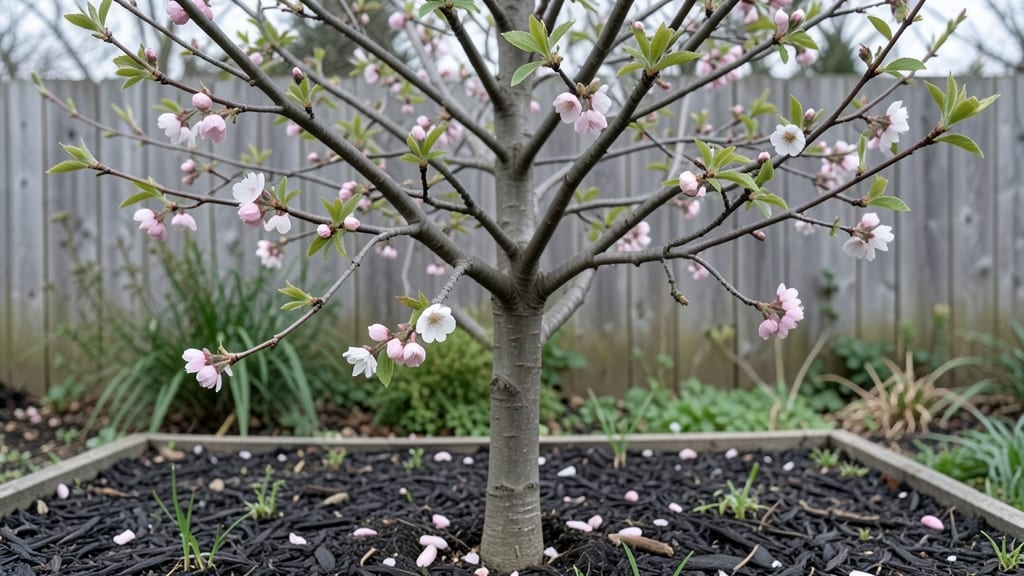
Growing a corinthian flowering peach tree 🌸 transforms your yard into a fragrant spring paradise with its stunning pink blooms.
Imagine stepping into your garden and being greeted by cascading pink blossoms and a sweet, intoxicating fragrance—this is the magic of the Corinthian flowering peach tree, a stunning ornamental that doubles as a low-maintenance beauty.
If you're in USDA Zone 6a, planting in April or May after the last frost is key—these trees thrive in full sun and well-drained soil, making them perfect for both urban and rural landscapes.
Below, I’ll walk you through planting tips, seasonal care, and pruning secrets to ensure your tree bursts into vibrant blooms every spring.
Corinthian flowering peach tree care guide: soil, sunlight, and watering secrets
The Corinthian flowering peach tree thrives when given the right growing conditions. Unlike fruiting peach trees, this ornamental variety focuses on stunning pink double blooms and intoxicating fragrance.
To unlock its full potential, you’ll need to pay attention to three critical factors: soil composition, sunlight exposure, and watering consistency. Each plays a vital role in encouraging vibrant flowers and healthy growth.
I’ve grown this beauty in my own garden, and I can tell you—getting the balance right makes all the difference. The Corinthian flowering peach is hardy but particular, especially about its well-draining soil and full-sun requirements.
Skimp on either, and you’ll end up with sparse blooms or weak branches. Let’s break down exactly what your tree needs to flourish.
| Growing Condition | Ideal Specification | Key Notes |
|---|---|---|
| Soil Type | Well-draining loam | Mix sand/compost for aeration |
| pH Level | 6.0–7.0 | Test soil annually for adjustments |
| Sunlight | 6+ hours direct sun | South-facing spot preferred |
| Watering (New) | Deep soak weekly | 10–15 gallons per watering |
| Watering (Established) | Bi-weekly deep water | Drought-tolerant after 2 years |
| Mulch Depth | 2–3 inches | Organic mulch retains moisture |
| Fertilizer | Balanced 10-10-10 | Apply in early spring only |
| Winter Hardiness | USDA Zone 6a+ | Mulch heavily for protection |
Let’s start with soil preparation, the foundation of healthy growth. The Corinthian flowering peach despises soggy roots, so I always recommend amending native soil with organic compost and a sandy loam mix. If your garden soil is heavy clay, consider planting in a raised bed or mound to improve drainage. A pH between 6.0–7.0 is ideal—test your soil annually and adjust with lime or sulfur if needed.
For sunlight requirements, this tree is a sun worshipper. Plant it in a location where it receives at least 6 hours of direct sunlight daily, preferably in a south-facing spot.
Partial shade can reduce blooms dramatically, so avoid planting near large shade trees or structures. In hot climates, afternoon shade can help prevent leaf scorch while still maintaining full sun exposure.
Watering is where many gardeners trip up. Young trees need consistent moisture, especially during their first two years. I water mine deeply—about 10–15 gallons per session—once a week, always in the early morning to reduce evaporation.
Once established, the Corinthian flowering peach becomes drought-tolerant, but I still recommend deep watering every 10–14 days during dry spells. Overwatering is just as harmful as underwatering.
Seasonal adjustments are key to keeping your tree thriving year-round. In spring, focus on fertilizing and pruning to encourage new growth. During summer, reduce watering slightly but keep an eye out for pests like aphids.
In fall, apply a thick layer of organic mulch to protect roots from freezing temperatures. And in winter, avoid fertilizing—your tree is dormant and doesn’t need extra nutrients.
One mistake I see often is over-fertilizing in late summer or fall. This can stimulate weak, tender growth that won’t survive winter. Stick to a balanced 10-10-10 fertilizer applied in early spring when new leaves begin to emerge.
A half-cup sprinkled around the base is plenty—too much can burn roots and reduce flowering.
If you’re planting in USDA Zone 6a or colder, take extra precautions in winter. Wrap the trunk with tree guard and add an extra layer of mulch. Young trees are most vulnerable to cold snaps, so I often cover mine with burlap sacks during extreme freezes.
This simple step has saved my trees from winter dieback more times than I can count.
Finally, don’t forget about pruning for airflow. Thin out crowded branches in late winter to improve sunlight penetration and reduce disease risk. I aim to keep the tree’s center open, allowing air to circulate freely.
This not only encourages more blooms but also keeps pests at bay. A well-pruned Corinthian flowering peach is a sight to behold—vibrant pink blossoms cascading like a waterfall.
With these soil, sunlight, and watering secrets mastered, your Corinthian flowering peach tree will reward you with years of fragrant beauty. Start with the right conditions, and you’ll be stepping into a cloud of pink blossoms every spring—no effort required, just pure enjoyment. 🌸
How to prune and train a Corinthian flowering peach tree for maximum blooms
The Corinthian flowering peach tree thrives when you guide its growth with thoughtful pruning and training. Unlike fruit-bearing peaches, this ornamental variety focuses on spectacular blooms, so your cuts should prioritize airflow and flower production.
Proper pruning not only shapes your tree but also boosts next year's blossoms by redirecting energy to flowering branches.
Timing is everything with this spring-blooming beauty. The best time to prune is late winter or early spring, just before buds swell but after the last frost.
This 2-3 week window (typically February-March in USDA Zone 6a) ensures fresh growth starts strong. Never prune in fall or winter, as cold stress can harm the tree.
Step-by-Step Pruning and Training Guide
-
Step 1: Remove Dead or Diseased Wood
Use sterilized pruners to cut out dead, broken, or infected branches. Look for darkened wood or mushroom growth at branch collars. Dispose of these in a sealed bag.
-
Step 2: Thin Out Crowded Branches
Select 3-5 strong central branches to form your tree's main scaffold. Remove competing vertical branches growing upward from the trunk or crossing branches that rub together.
-
Step 3: Head Back Flowering Branches
Cut back last year's flowering branches by 1/3 to 1/2 their length. This encourages new growth and more abundant blooms next season. Make cuts just above a bud or lateral branch.
-
Step 4: Train Young Trees for Structure
For young trees (under 3 years), use ties or spreaders to guide branches into a natural vase shape. Avoid over-pruning—remove only 20-30% of foliage per year to maintain vigor.
-
Step 5: Encourage Outward Growth
Prune inward-facing branches to open the tree's canopy. This improves air circulation and reduces disease risk. Aim for a balanced, open center with horizontal branches.
-
Step 6: Clean Up and Apply Wound Dressing
Rake up pruned debris and sterilize tools with rubbing alcohol. For cuts larger than 1/2 inch, apply pruning sealant to prevent bacterial entry.
-
Step 7: Post-Pruning Care
Water deeply after pruning and apply a balanced fertilizer (10-10-10) to support new growth. Mulch around the base with 2-3 inches of organic mulch to retain moisture.
When training your Corinthian flowering peach tree, focus on creating a strong central leader with well-spaced branches. Avoid top-heavy growth by pruning upper branches more aggressively. For older trees, prioritize rejuvenation cuts—remove older wood to stimulate new flowering shoots.
Remember, patience is key with this slow-growing ornamental. Over-pruning can reduce blooms and weaken the tree. If you see fewer flowers after pruning, you may have cut too aggressively. Adjust next year by removing less foliage and focusing on shaping rather than thinning.
With consistent pruning and training, your Corinthian flowering peach will reward you with dramatic spring displays for decades. The secret lies in balancing structure and bloom production—never sacrifice one for the other! 🌸✂️🌿